




What Is a Nasal Splint?
Dr. Hamidreza Hosnani
After rhinoplasty, a plastic splint is placed on your nose for one week to support the nasal cartilage and bones and to protect the new nasal structure. This plastic support is also called a nasal cast or nasal splint.
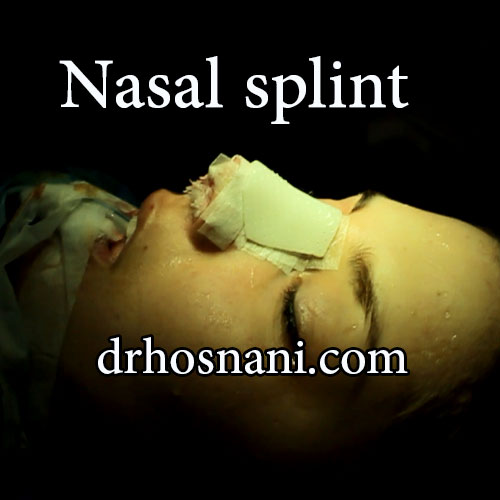
What Is a Nasal Splint and What Is It Used For?
A nasal splint, or nose splint, is a protective device that is usually placed on the outer part of the nose after rhinoplasty. By providing support and controlled pressure, this device helps protect the nose during the early days following surgery.
Main Uses of a Nasal Splint
- Protecting the nose from accidental impacts
- Helping to preserve the shape created during surgery
- Reducing pressure and swelling of nasal tissues
- Preventing direct contact between hands or objects and the nose
- Helping keep the dressings on the nose in place
It should be noted that a nasal splint alone does not change the shape of the nose; rather, it supports the nasal structure during the critical early period after surgery. The duration of use is determined based on the type of surgery and the surgeon's discretion, and in many cases it is about one week.
What Is a Thermoplastic Nasal Splint?
A thermoplastic nasal splint is made from a sheet that can be molded under the right conditions and hardens after being shaped and cooled. This feature allows the splint to adapt more closely to the shape of the patient's nose.
In newer models, the thermoplastic sheet is usually thick, mesh-like, and has numerous holes. These holes, while maintaining sufficient strength, help with air circulation on the skin surface.
Key Features of a Thermoplastic Splint
- Ability to be molded to fit the shape of the nose
- Relatively lightweight yet durable structure
- Small holes for skin ventilation
- Ability to apply more even pressure on the nose
- Attachment with special double-sided tape
- Hardens after cooling with water
Steps for Applying a Thermoplastic Nasal Splint
A thermoplastic nasal splint must be applied by a surgeon, nurse, or trained professional. The order of steps may vary slightly depending on the equipment and protocol of each center, but it is usually carried out as follows.
1. Preparing and Cleansing the Nasal Skin
First, the nasal skin is cleaned and dried so that the adhesives adhere properly to the skin surface. The presence of oil, moisture, or residual antiseptic materials may reduce adhesion.
2. Using 3M Nose Tape to Protect the Skin
In the first step, a layer of medical tape, such as 3M nose tape, is placed on the nasal skin. The purpose of this is to create a protective layer between the skin and the double-sided tape or other adhesive materials.
This layer can reduce direct contact between the skin and stronger adhesives and lower the likelihood of redness, irritation, or skin sensitivity. However, no adhesive is completely allergy-free for everyone, and if itching, blistering, severe burning, or skin sores appear, the doctor must be informed.
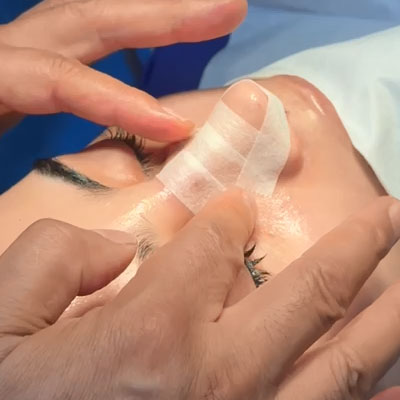
3. Placing the Special Double-Sided Tape
After the protective layer is applied, the special double-sided tape is placed on the appropriate surface. This tape serves as the connector between the protective skin layer and the thermoplastic sheet.
The double-sided tape must be strong enough to keep the nasal splint from shifting, but it should not exert excessive pressure or unnatural tension on the skin. Using ordinary household tapes or adhesives not designed for skin contact is not appropriate.
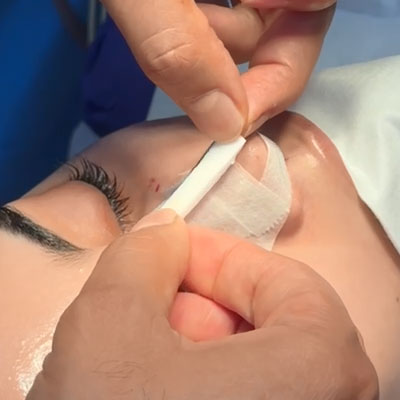
4. Placing the Perforated Mesh Thermoplastic Sheet
In the next step, the thick thermoplastic sheet is placed on the nose. This sheet has a mesh structure with small holes and is adjusted to cover the nasal surface and its sides well.
The molding must be done carefully so that the splint is neither too loose nor puts too much pressure on the nose. The size and shape of the splint must match the condition of the nose and the type of surgery.
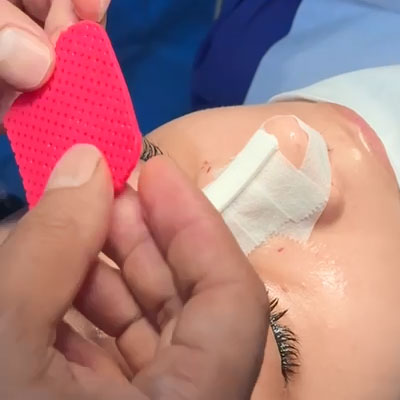
5. Molding and Fixing the Splint
After the sheet is placed on the nose, the edges and main areas are adjusted to match the shape of the nose. At this stage, the splint must remain in the proper position and not shift before it cools down.
6. Cooling with a Water Stream and Hardening of the Material
After the splint is fixed, a stream of water is applied to it to lower the temperature of the material. As it cools, the thermoplastic hardens and preserves the molded shape of the nose. This stage is usually referred to as the setting or stabilization process of the splint.
The water used at this stage is part of the molding and cooling process and does not mean that the splint can be washed routinely or that it is washable at home. After application, the patient must avoid wetting or tampering with the splint according to the doctor's instructions.
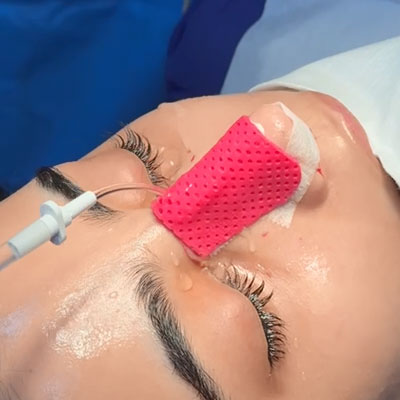
Why Is a Thermoplastic Splint Perforated?
The small holes in the thermoplastic sheet, in addition to reducing the weight of the splint, allow for relative air circulation on the skin surface. This feature can help reduce the buildup of heat and moisture.
Advantages of the Mesh and Perforated Structure
- Better ventilation of the skin surface
- Reduced sweating and sensation of heat
- Lower overall weight of the splint
- Helps with partial visibility of the skin beneath the splint
- Better release of surface moisture under certain conditions
Of course, the mesh structure of the splint does not mean the skin is completely protected against moisture or contamination. Maintaining hygiene and following the surgeon's care instructions remain essential.
How Is the Old Nasal Splint Different from the Thermoplastic Model?
Older nasal splint models were usually made of white plastic or similar materials and were fixed to the nose using methods such as ordinary liquid adhesive, tape, or a combination of dressings.
In contrast, the thermoplastic splint is designed with greater moldability and more precise shaping capability, and in newer models it is applied using a protective skin layer and special double-sided tape.
Difference in the Method of Attachment to the Nose
In the old method, liquid adhesive was applied directly to the skin or with limited barrier. This could, in some people, cause skin stretching, skin irritation, or difficulty when removing the adhesive.
In the new method, 3M medical tape is first applied to the nose as a protective layer, and then special double-sided tape is used to attach the splint. This method can reduce direct contact between the main adhesive and the skin; however, the possibility of sensitivity is not entirely eliminated.
Difference in Molding Capability
Older splints generally had a relatively more fixed shape and their adaptation to the shape of the nose was more limited. The thermoplastic splint is shapeable and can be adjusted to fit the patient's nose shape after being placed.
Difference in Skin Ventilation
Many older models had a solid surface and made more contact with the skin. Newer models are mesh-like and perforated and help air circulate on the skin surface. This may reduce the feeling of sweating and heat.
Difference in the Hardening Process
In some older models, the shape of the splint was fixed from the start and did not change much. In the thermoplastic type, the material is cooled with a stream of water after molding and thus preserves the resulting shape.
Comparison Table of Thermoplastic and Old Splints
| Feature | Thermoplastic splint | Old splint |
|---|---|---|
| Material | Shapeable thermoplastic sheet | White plastic or similar materials |
| Molding method | Adjustable based on the shape of the nose | More limited adaptation to the shape of the nose |
| Attachment method | 3M protective layer and special double-sided tape | Ordinary liquid adhesive or tape |
| Structure | Mesh-like and perforated | Often a more solid surface |
| Skin ventilation | Better due to the small holes | Limited |
| Hardening process | After cooling with water | Generally fixed shape from the start |
| Molding comfort | High, when applied correctly | Depends on the model and application method |
Possible Advantages of a Thermoplastic Nasal Splint
More Precise Molding
The shapeability of the thermoplastic allows the splint to align more closely with the shape of the nose. This can help reduce splint movement and increase patient comfort.
Better Skin Ventilation
The mesh and perforated design means the skin surface is less enclosed in a completely sealed space. As a result, some patients may experience less sweating, heat, and a lighter feeling.
Reduced Direct Contact Between the Adhesive and the Skin
Using 3M medical tape as the underlying layer can act as a protective barrier and reduce direct contact between the skin and the double-sided tape.
Proper Stability After Cooling
When the material is properly molded and cooled, the splint preserves the resulting shape and can provide good support for the nose during the early days after the procedure.
Disadvantages and Limitations of the Thermoplastic Splint
Despite its possible advantages, the thermoplastic splint is not necessarily the best option for all patients or all types of surgery. Its selection must be made by the surgeon.
- Possible sensitivity to the medical tape or the double-sided tape
- Possible redness, itching, or skin irritation
- Possibility of excessive pressure if molded incorrectly
- Possible shifting in case of heavy sweating or contact with water
- Requires skill and precision during molding
- Not suitable for some skin conditions or specific surgical situations
How Many Days Should a Nasal Splint Stay on the Nose?
The duration a nasal splint stays on the nose depends on the type of surgery, the condition of the bone and cartilage, the amount of swelling, the surgeon's method, and the healing process. In many surgeries, the external splint remains on the nose for about one week, but the exact duration must be determined by the surgeon.
Removing the splint early or changing its position without consulting the doctor may reduce protection of the nose or irritate the skin.
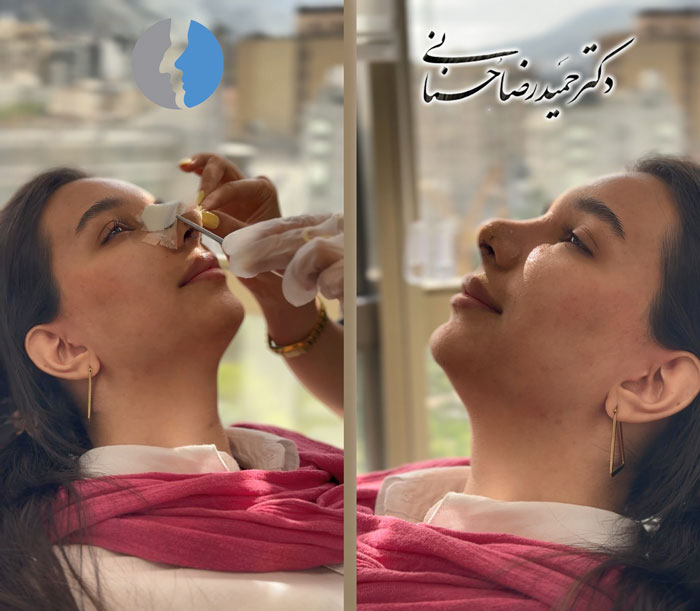
Caring for a Thermoplastic Nasal Splint
Keep the Splint Dry
After the molding process is finished, the splint should not be exposed to bath water, during face washing, or in direct contact with water, unless the surgeon instructs otherwise.
Do Not Tamper with the Splint
Pushing on it, lifting the edges, cutting holes, or changing the shape of the splint can cause it to shift and damage the skin or the nose.
Avoid Applying Pressure to the Nose
Sleeping on the face, wearing glasses without the doctor's permission, and applying pressure while sneezing or wiping the face may harm the freshly operated nose.
Take Skin Symptoms Seriously
Mild redness may occur due to the adhesive or pressure, but blistering, severe pain, sores, foul-smelling discharge, unusual swelling, or significant skin discoloration should be reported to the surgeon immediately.
Is Wetting the Nasal Splint During Application Normal?
Yes, during the process of applying a thermoplastic splint, using a stream of water to cool the material and harden it can be part of the molding method. This is different from wetting the splint at home after it has been applied.
During molding, the water is used under the control of the treating professional to complete the shaping process of the material. After the procedure is finished, the splint should usually remain dry, and the patient should avoid washing it directly.
Does a Thermoplastic Splint Improve the Outcome of Rhinoplasty?
A proper splint can protect the nose from impacts and help preserve the conditions created by the surgeon, but on its own it does not guarantee the outcome of the surgery. The final result depends on factors such as the surgeon's skill, skin type, surgical technique, the condition of the cartilage and bone, postoperative care, and the natural healing process.
Therefore, the thermoplastic splint should not be regarded as a tool for independently shaping the nose or correcting its form. This device plays mostly a protective and supportive role.
Frequently Asked Questions About the Thermoplastic Nasal Splint
Is a Thermoplastic Splint Better Than an Old One?
This depends on the patient's condition and the surgeon's opinion. Moldability, lighter weight, and better ventilation are possible advantages of the thermoplastic model, but the old method may also be entirely suitable in some situations.
Does 3M Tape Prevent Skin Sensitivity?
3M tape can act as a protective layer and reduce direct contact between the skin and the double-sided tape, but it does not prevent all allergic reactions. People with a history of sensitivity should discuss this with their doctor before the procedure.
Can the Splint Be Re-Adhered at Home?
No. If the splint becomes detached, loose, or its edges irritate the skin, it should not be warmed, wetted, cut, or re-adhered on your own. It is better to contact the surgeon's office.
Do the Holes in the Splint Allow Water to Enter the Nose?
The holes in the splint are designed for ventilation and reducing weight, but they should not cause the patient to deliberately place it under water. After application, the splint must be kept dry according to the doctor's instructions.
Is a Thermoplastic Splint Painful?
Proper molding should not cause significant pain. A feeling of pressure, heaviness, or mild tightness may be normal, but severe pain, numbness, skin discoloration, or unusual localized pressure requires medical assessment.
Conclusion
A thermoplastic nasal splint is a type of moldable splint used after rhinoplasty to protect and initially stabilize the nose. In the application method, 3M nose tape is first placed on the nose to reduce direct contact between the main adhesive and the skin. Then, the special double-sided tape and a thick, perforated thermoplastic sheet are applied to the nose.
After the sheet is fixed, it is cooled with a stream of water so that the material hardens and preserves the shape of the nose. The small holes in this type of splint also help with skin ventilation and reduce sweating. However, the type of splint, the application method, and the duration of use should be selected according to each patient's condition and the surgeon's opinion.
Note: This content is for educational purposes and does not replace an examination or the surgeon's advice. In case of severe pain, unusual bleeding, foul-smelling discharge, fever, blistering, or skin damage, contact your attending physician.