




Sneezing After Rhinoplasty
Dr. Hamidreza Hosnani
ENT Specialist | Rhinoplasty Surgeon in Tehran | Nose Surgery Specialist
Sneezing after rhinoplasty is not a concern as long as it is done with the mouth open. By maintaining nasal hygiene, using a cool‑mist humidifier, and avoiding irritants, you can minimize sneezing and experience a smoother recovery period.
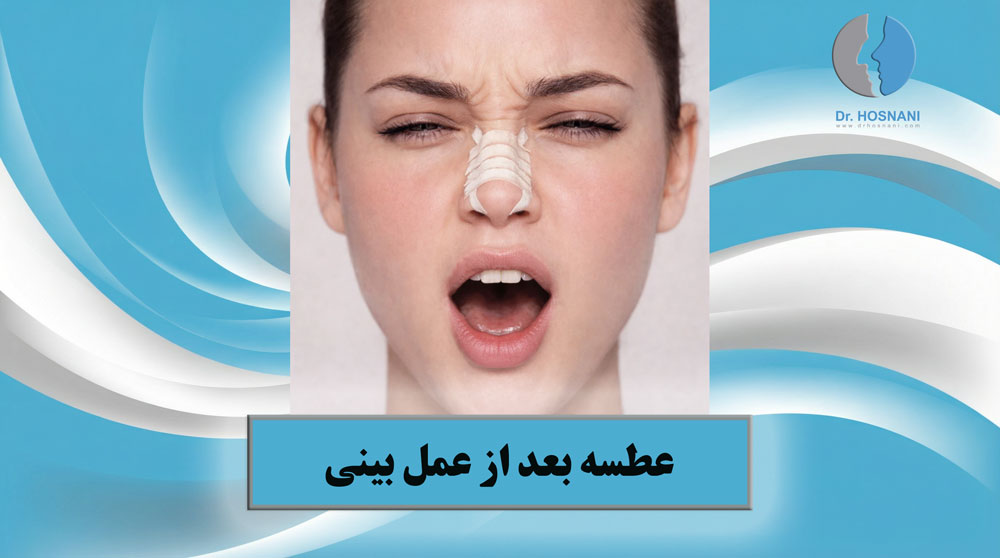
After rhinoplasty, if sneezing becomes unavoidable, it is better to keep the mouth fully open so that pressure exits through the mouth and does not stress the sutures, cartilage, or healing tissues inside the nose. Sneezing with the mouth closed may increase intranasal pressure and lead to mild bleeding or increased swelling. Therefore controlling the way of sneezing during the first weeks is important. According to Dr. Hosnani, patients should also try to avoid triggers such as dust, strong perfumes, and cold air that can increase the likelihood of sneezing.
1. Why Do We Sneeze More After Rhinoplasty?
Many patients notice that their tendency to sneeze increases after surgery. This can happen for several reasons:◆ Mucosal irritation: The presence of sutures, internal dressings (nasal tampons), or splints may stimulate the nerves inside the nose.
◆ Nasal dryness: Dry air or dried blood clots inside the nasal passages can create itching and irritation that trigger sneezing.
◆ Environmental sensitivity: After surgery, the nose becomes very sensitive, and even small amounts of dust, strong smells, or environmental irritants can trigger a sneeze.
2. What Are the Risks of Uncontrolled Sneezing?
If a sneeze occurs with high pressure through the nose, it may cause the following problems:Bleeding: Sudden pressure may rupture delicate blood vessels and cause a nosebleed.
Damage to sutures: Excessive pressure may stress the delicate internal or external stitches and potentially cause them to loosen.
Minor change in nasal structure: During the early weeks, when the bones and cartilage are stabilizing, very strong pressure (although rare) might influence the position of grafts.
3. The Correct Way to Sneeze (Open‑Mouth Technique)
The most important rule is to never try to hold back a sneeze. Suppressing a sneeze can create very high pressure inside the head and nose.Dr. Hassani’s Recommendation:
◆ Open your mouth completely: As soon as you feel a sneeze coming, open your mouth as wide as possible.◆ Release the pressure through the mouth: Allow the sneeze to exit through the mouth so that minimal pressure reaches the nasal passages.
◆ Do not pinch your nose: Never hold or pinch your nose in an attempt to stop the sneeze.

For Two Months After Rhinoplasty, Sneeze or Cough with Your Mouth Open
4. How to Prevent Sneezing
The best strategy is to reduce nasal irritation:◆ Keep the air humid: Use a cool‑mist humidifier in your room to prevent dryness in the nasal passages.
◆ Use saline irrigation: According to your doctor’s instructions, rinse your nose with saline solution to remove clots and irritants.
◆ Avoid triggers: Stay away from pepper, spicy foods, strong perfumes, dust, and pollen.
◆ Anti‑allergy medication: If you have seasonal allergies, consult your surgeon about using antihistamines.
5. What Should You Do If Bleeding Occurs After Sneezing?
A small amount of blood or blood‑tinged discharge after sneezing during the first week can be normal. If this happens:◆ Stay calm.
◆ Keep your head slightly elevated.
◆ Apply a cold compress to the cheeks (not directly on the nose).
Important note: If the bleeding is heavy or does not stop with cold compresses, contact your surgeon or medical team immediately.
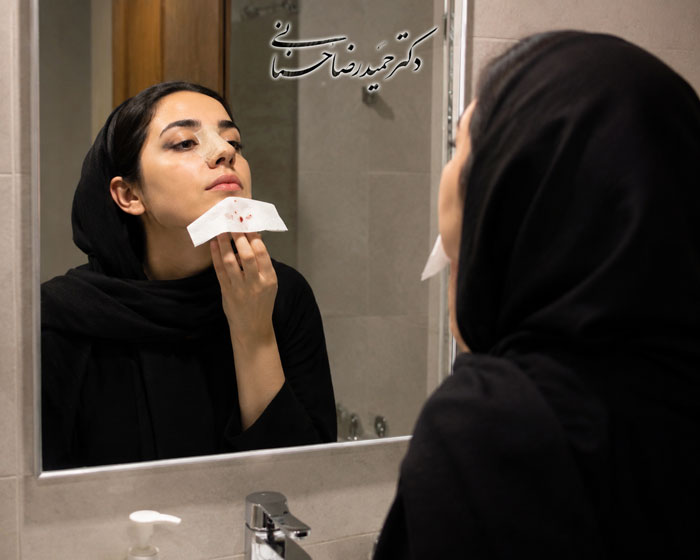
If mild bleeding occurs, the first step is to stay calm. Many of these bleeding episodes stop with simple measures.
6. Blowing the Nose — Strictly Forbidden!
Along with sneezing precautions, it is important to remember that blowing your nose is prohibited for at least 4 to 6 weeks after rhinoplasty. The pressure created by blowing the nose is much more concentrated and potentially more harmful than sneezing. To clean the nose, only use a cotton swab with saline or ointment as instructed by your doctor.
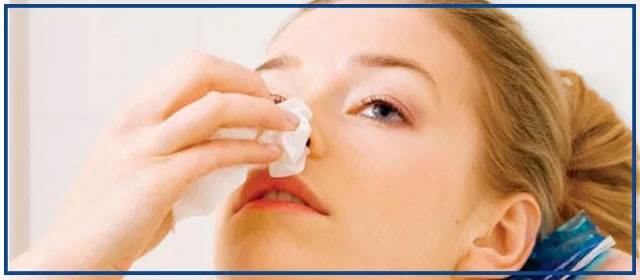
Blowing the nose after rhinoplasty may cause bleeding; therefore strong nose blowing should be avoided for up to three months after surgery.
Coughing After Rhinoplasty
Coughing after rhinoplasty, especially during the first few days, is relatively common. It usually occurs due to throat irritation from anesthesia tubes, accumulation of secretions in the back of the throat, or dryness of the mouth. However, because sudden coughing can increase pressure in the head and facial area, the following precautions are recommended to protect the nose:The most important rule is that when coughing or even sneezing, you should keep your mouth fully open. This allows the air pressure to exit through the mouth rather than the nasal passages (which were operated on), reducing pressure on the sutures and the newly shaped nasal structures.
◆ Try to keep coughing as gentle as possible. Sudden, forceful coughing may cause nosebleeds or increased swelling.
◆ Drinking warm fluids helps keep the throat moist and reduces irritation that triggers coughing.
◆ Humid air (using a cool‑mist humidifier) can help prevent dryness in the throat and nasal passages and may reduce coughing.