



Wide Range of Nose Types
Dr. Hamidreza Hosnani
People who visit Dr. Hosnani for rhinoplasty present with a wide range of nasal types: fleshy noses with thick skin, fleshy noses with strong cartilages, and cartilaginous noses.

In rhinoplasty consultations, one of the first questions patients ask is: "What type of nose do I have?"
The reality is that noses are not limited to just two categories: "fleshy" and "bony." In practice, there is a spectrum of skin and cartilage characteristics, and the combination of these factors determines the specific nose type. Understanding this spectrum accurately helps the patient have more realistic expectations regarding the surgical outcome.
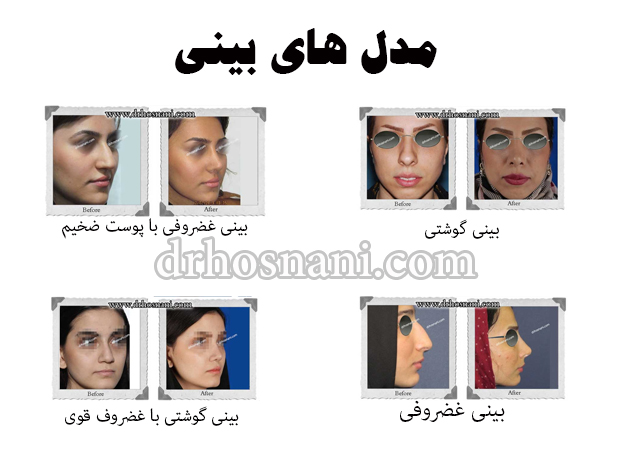
In general, the nose type is determined by two main factors:
- Skin thickness
- Strength and firmness of the cartilages
The combination of these two factors forms the various types of noses.
1. Fleshy Nose (Thick skin + Weak cartilage)
Characteristics:
- Thick, oily skin
- Relatively large/open pores
- Wide and rounded nasal tip
- Weaker cartilage in the nasal tip
Surgical Outcome:
In this type of nose, the thick skin prevents the delicate details of the underlying cartilage from being fully visible. Therefore, the result is usually natural and soft, rather than extremely refined or "fantasy."
Important Note:
In surgery for these noses, the main focus is on strengthening the cartilaginous structure to prevent the nose from losing its form over time.
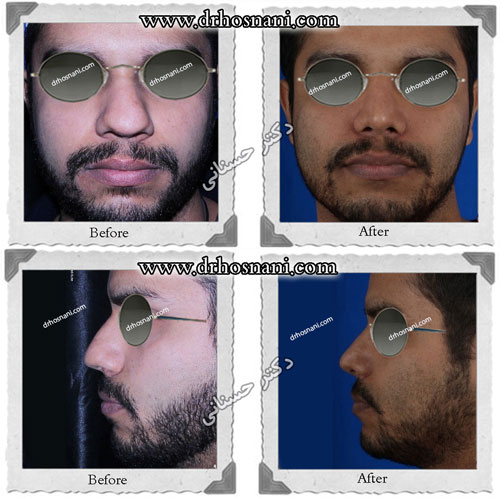
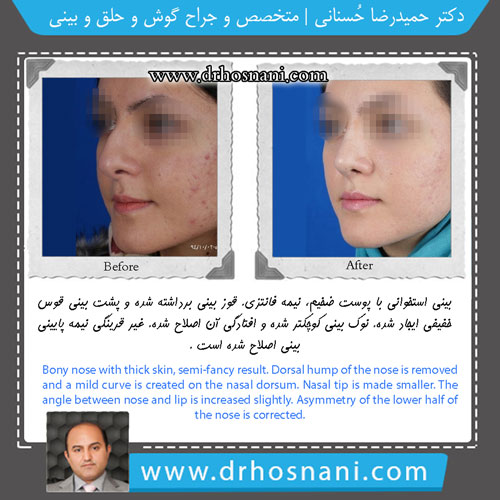
2. Cartilaginous-Bony Nose (Thin skin + Strong cartilage)
(Commonly referred to as a "bony nose")
Characteristics:
- Thinner skin
- Firm cartilages
- Usually features a bony hump
- More defined nasal tip
Surgical Outcome:
Due to the thinness of the skin, the changes made by the surgeon are clearly visible. Consequently, this nose type usually offers:
- Better sculptability
- More refined and precise results
- Faster reduction of swelling
This type of nose typically responds best to surgery.
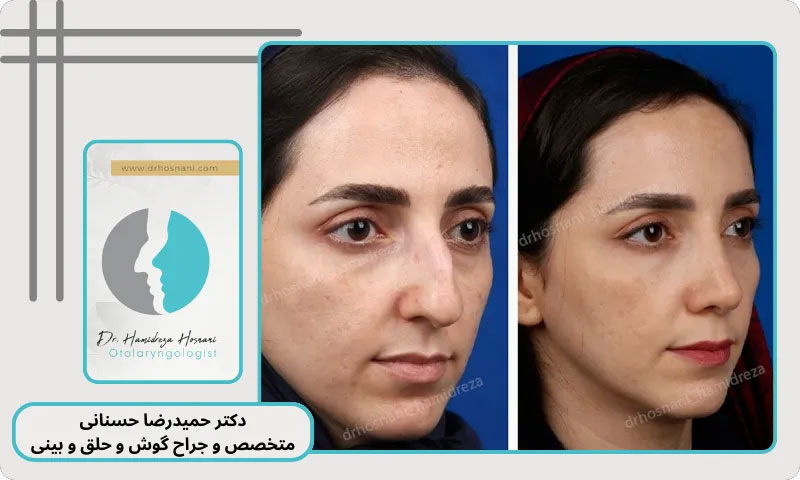
3. Fleshy Nose with Strong Cartilage
(Thick skin + Firm cartilaginous structure)
This type is an intermediate category; contrary to popular belief, not all fleshy noses have weak cartilage.
Characteristics:
- Thick skin
- Relatively strong cartilage
- Wide nasal tip that is still amenable to shaping
Surgical Outcome:
Because the cartilage is strong, there is a better possibility for refined shaping. The result is usually better than that of a classic fleshy nose, though it will not be as delicate as noses with thin skin. This type of nose usually has a good prognosis in surgery.
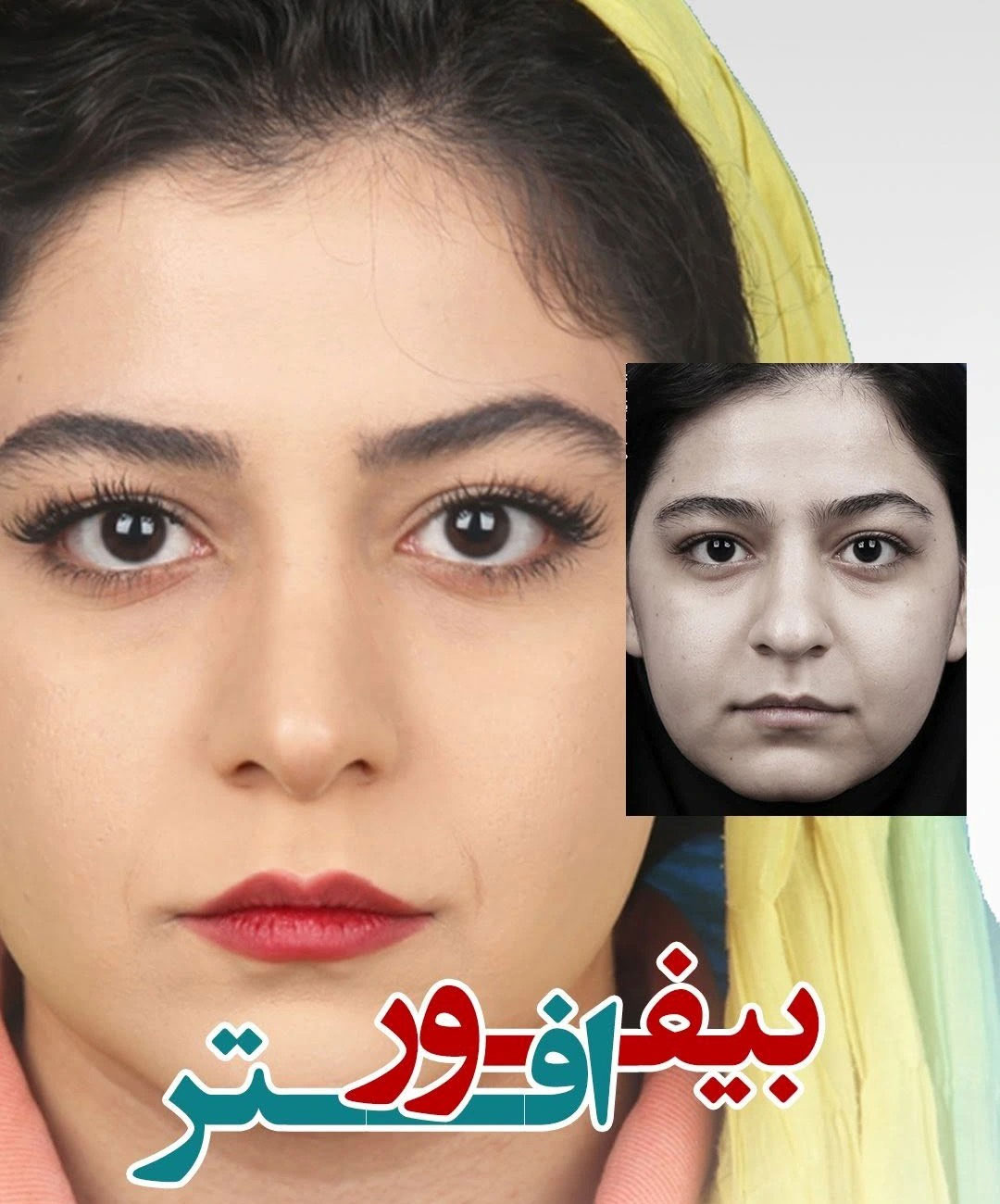
4. Cartilaginous Nose with Thick Skin
(Strong cartilage + Relatively thick skin)
In this case, the underlying structure is strong, but the skin does not allow for the full display of fine details.
Characteristics:
- Appropriate cartilaginous skeleton
- Skin slightly thicker than that of a bony nose
- The nasal tip may appear slightly rounded
Surgical Outcome:
The result is usually good and acceptable, but the surgeon must be cautious about excessive reduction, as the thick skin may not retract well over a significantly smaller framework.