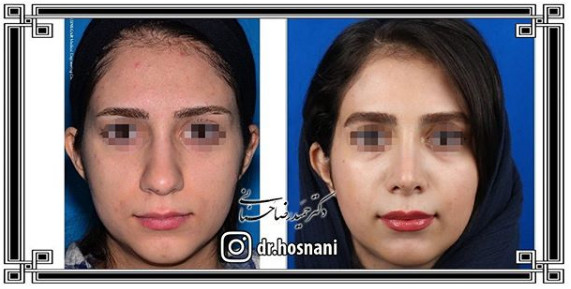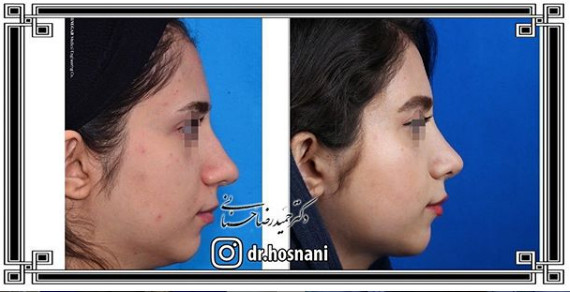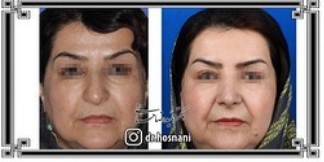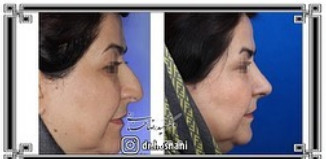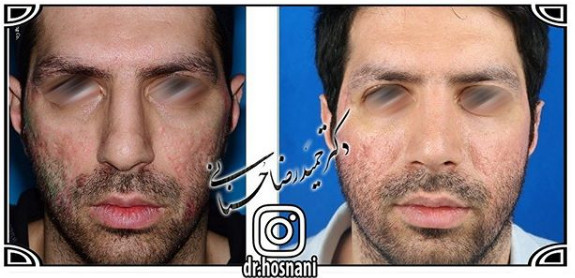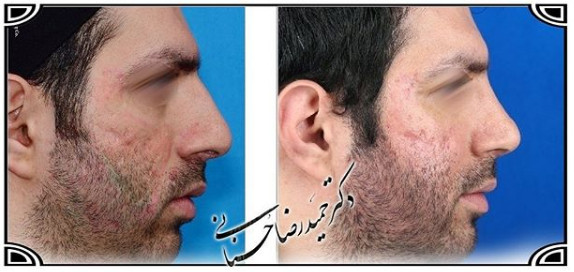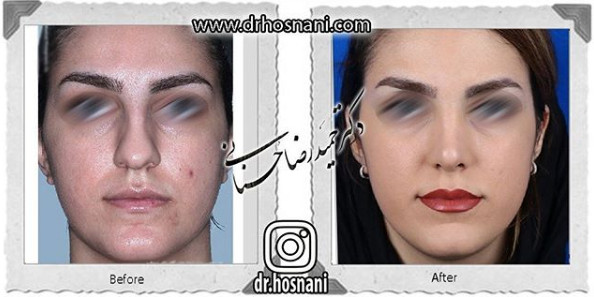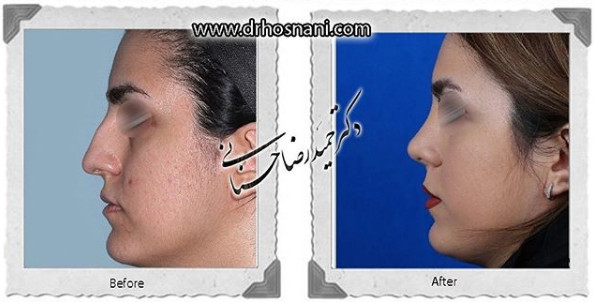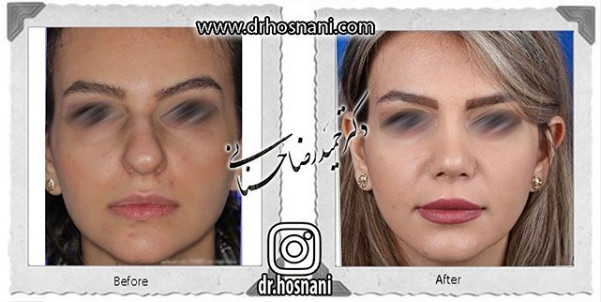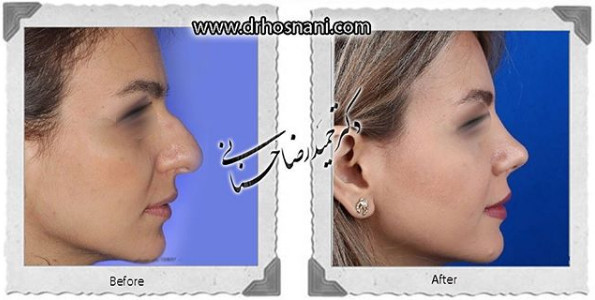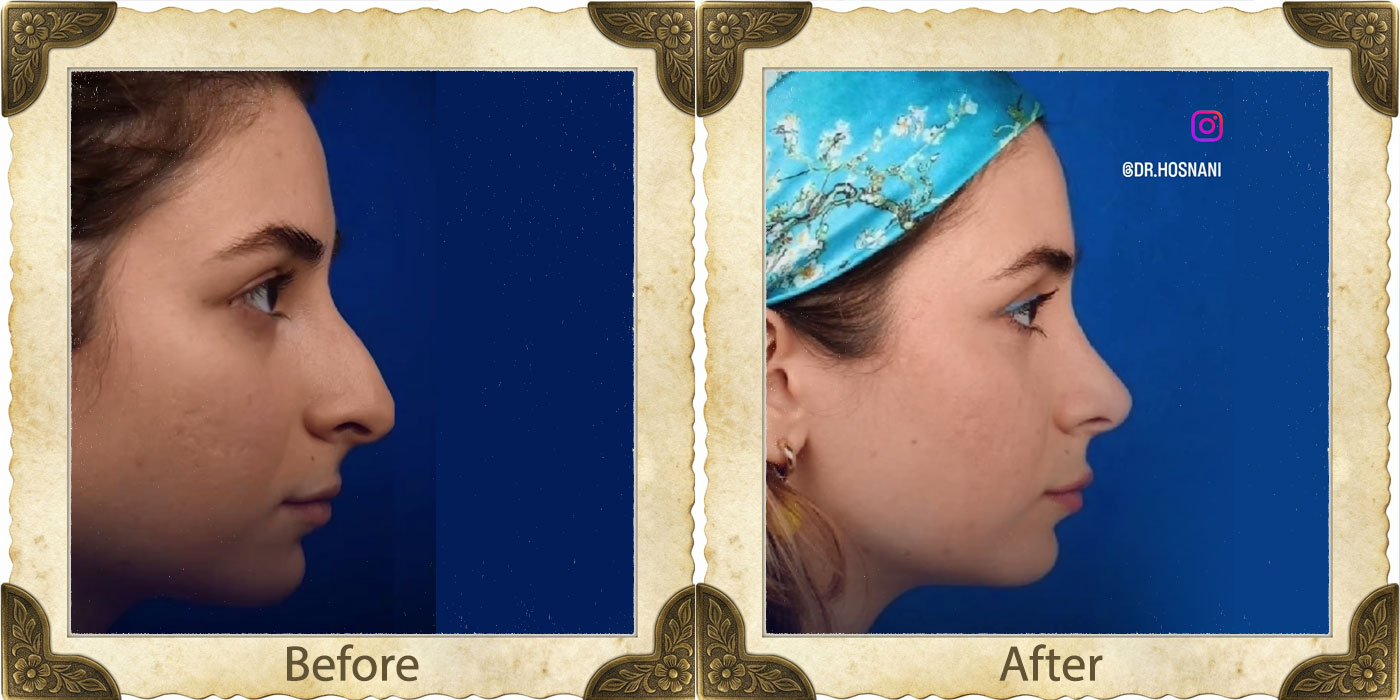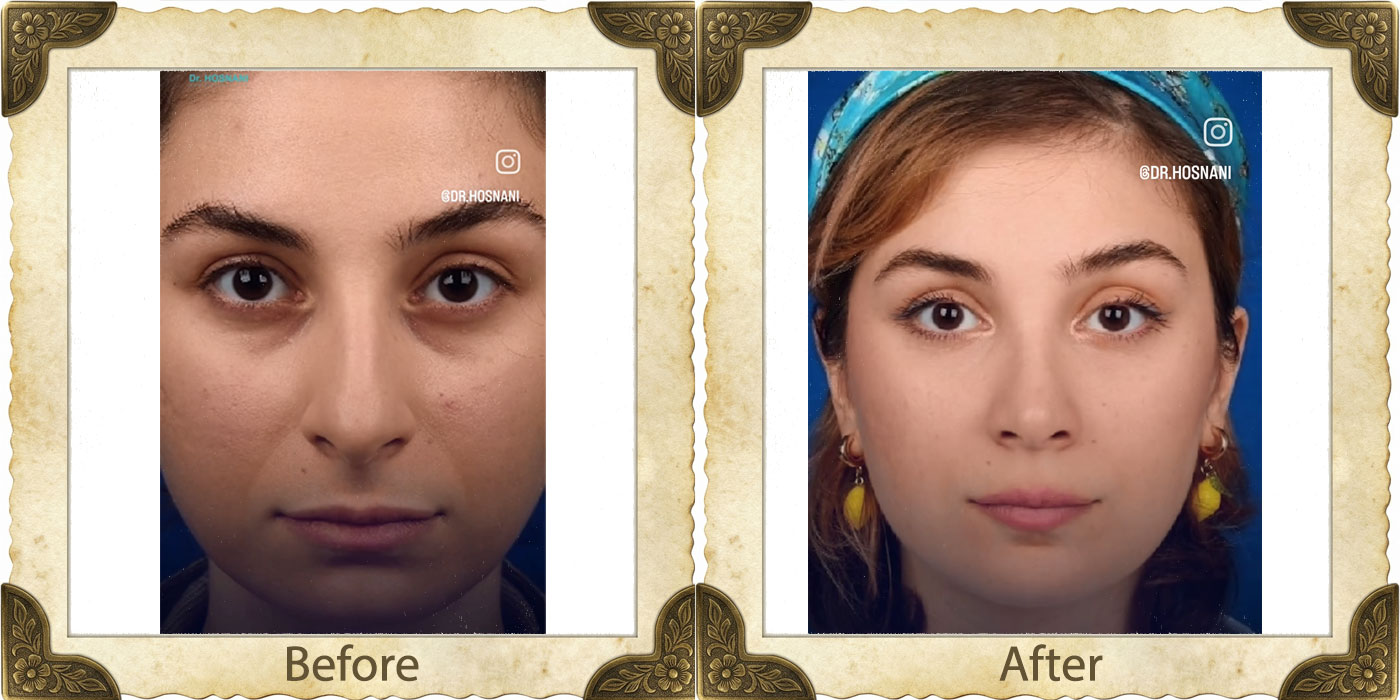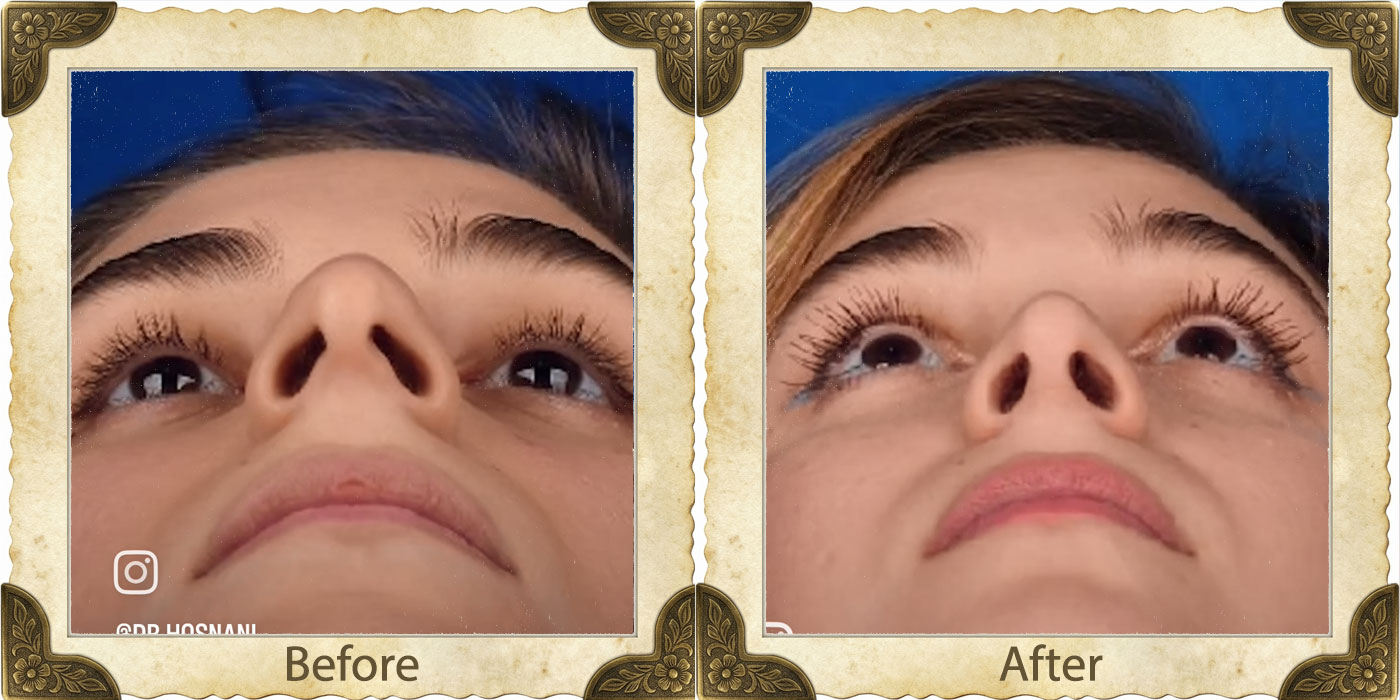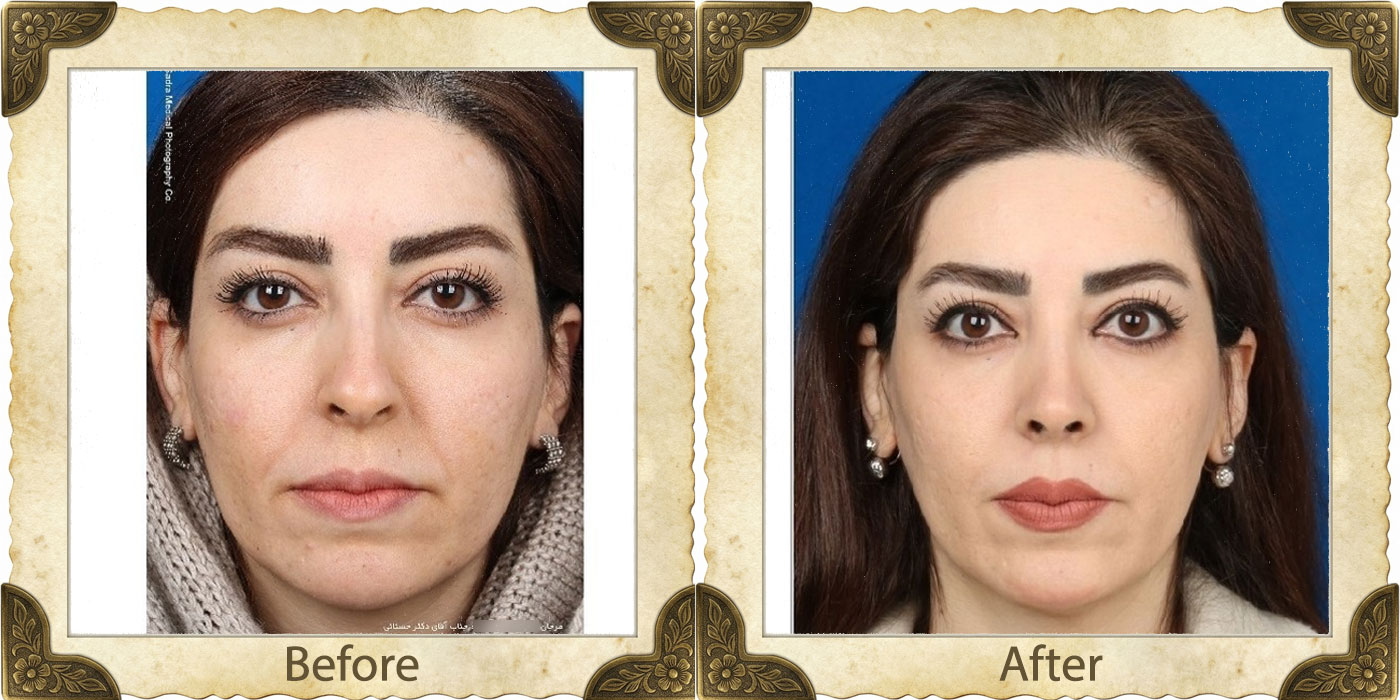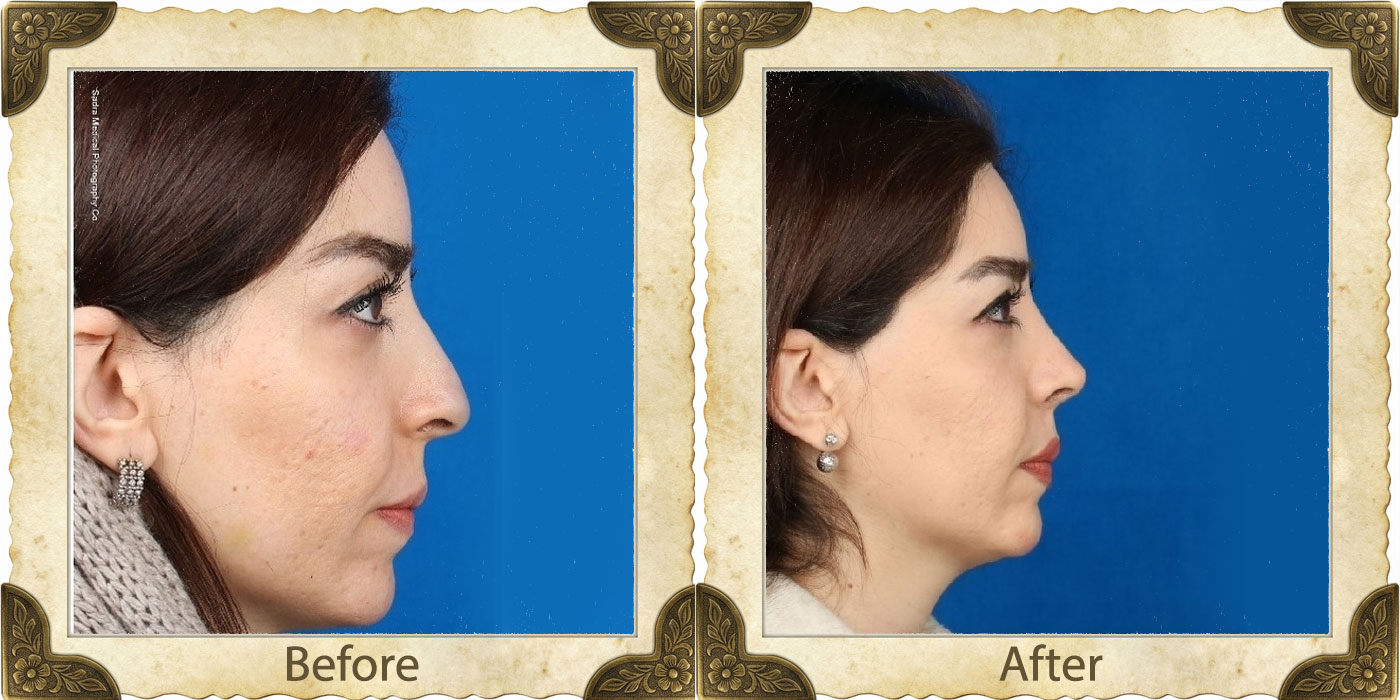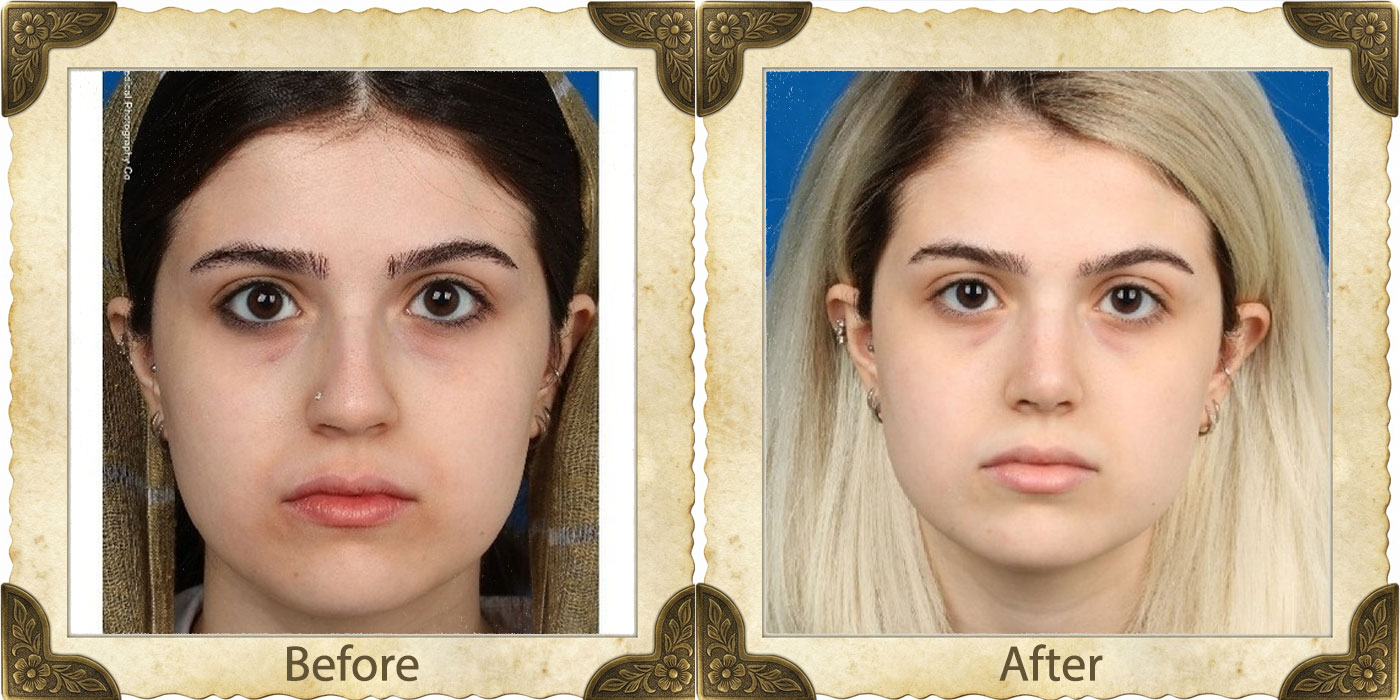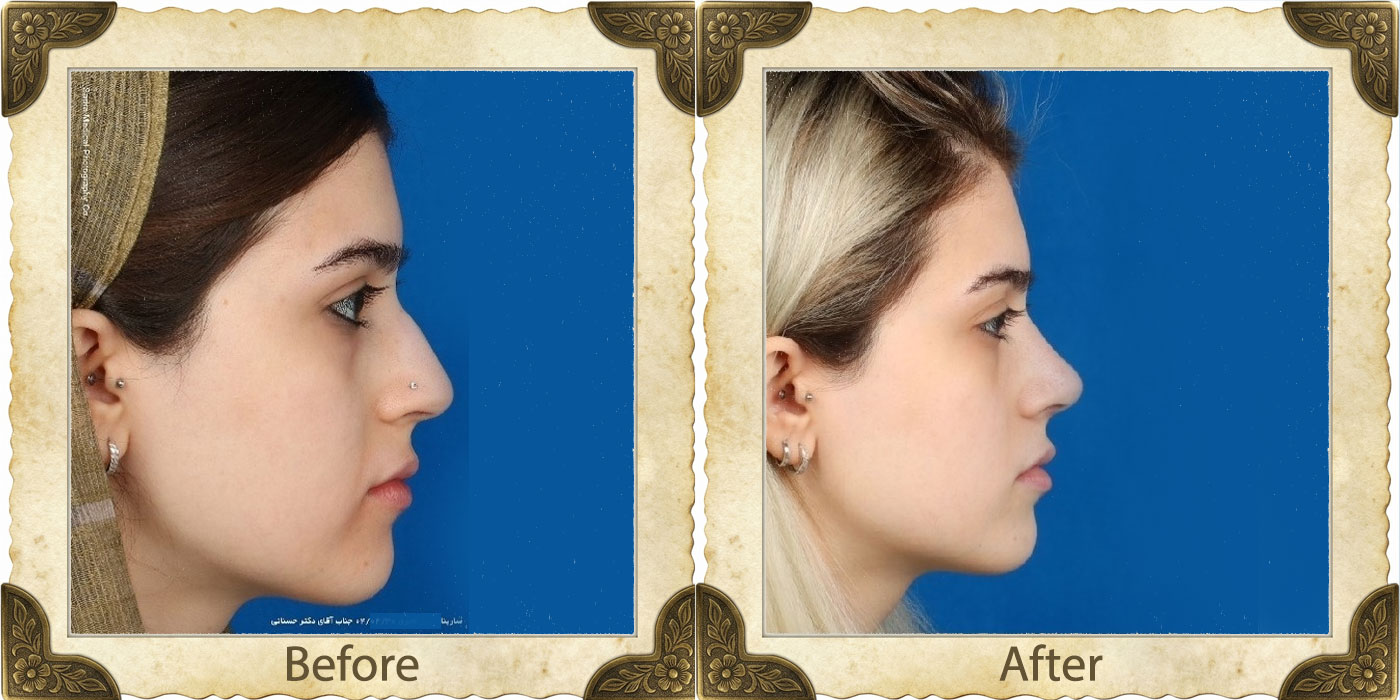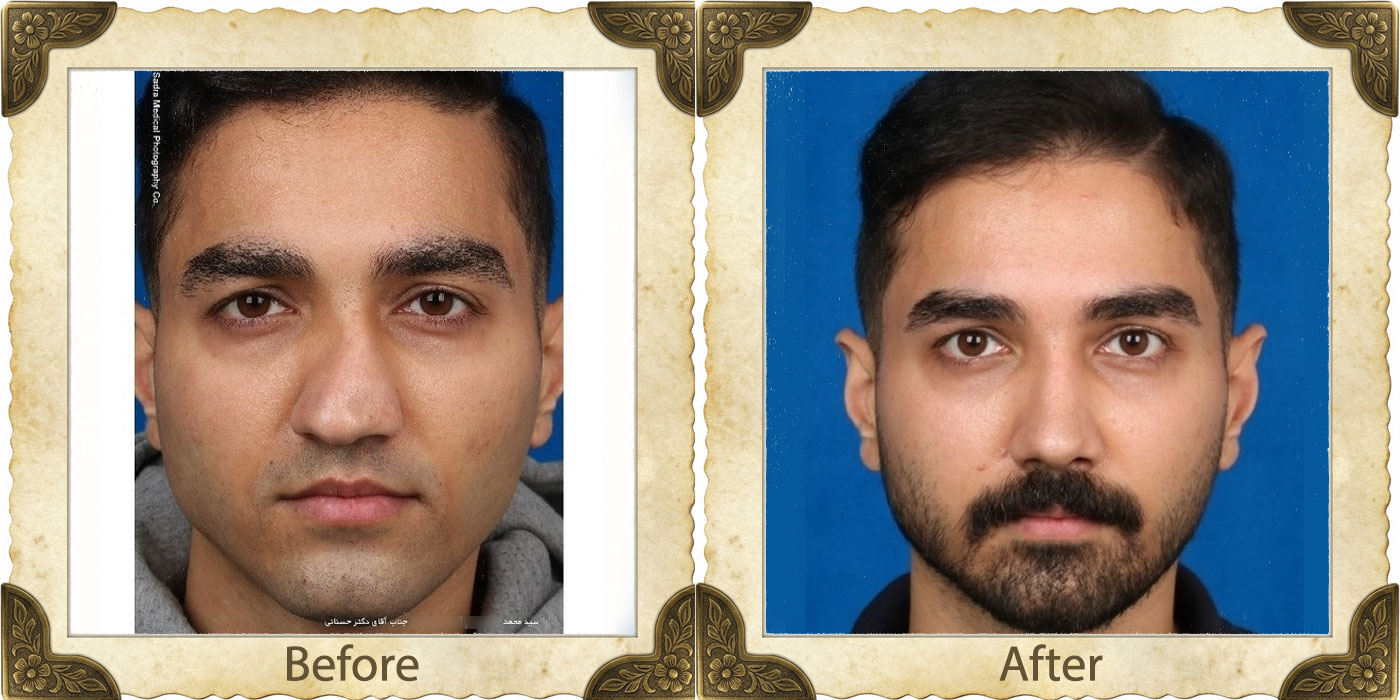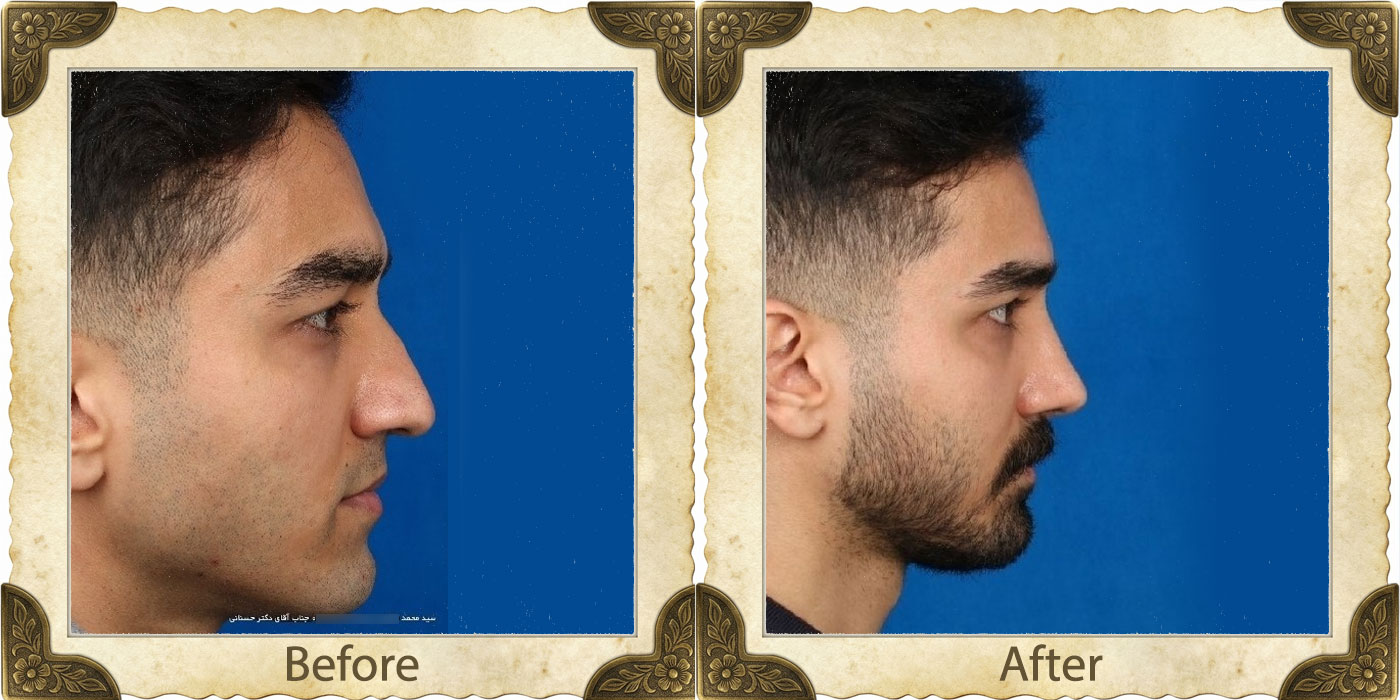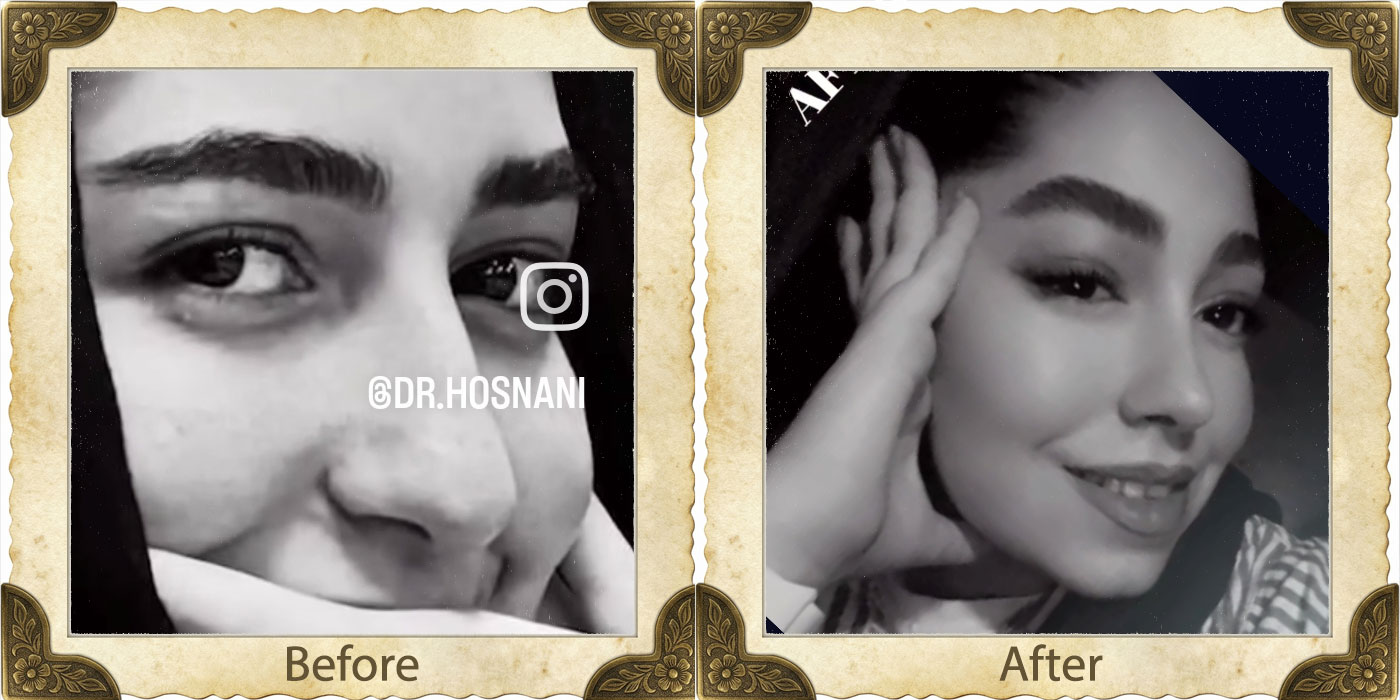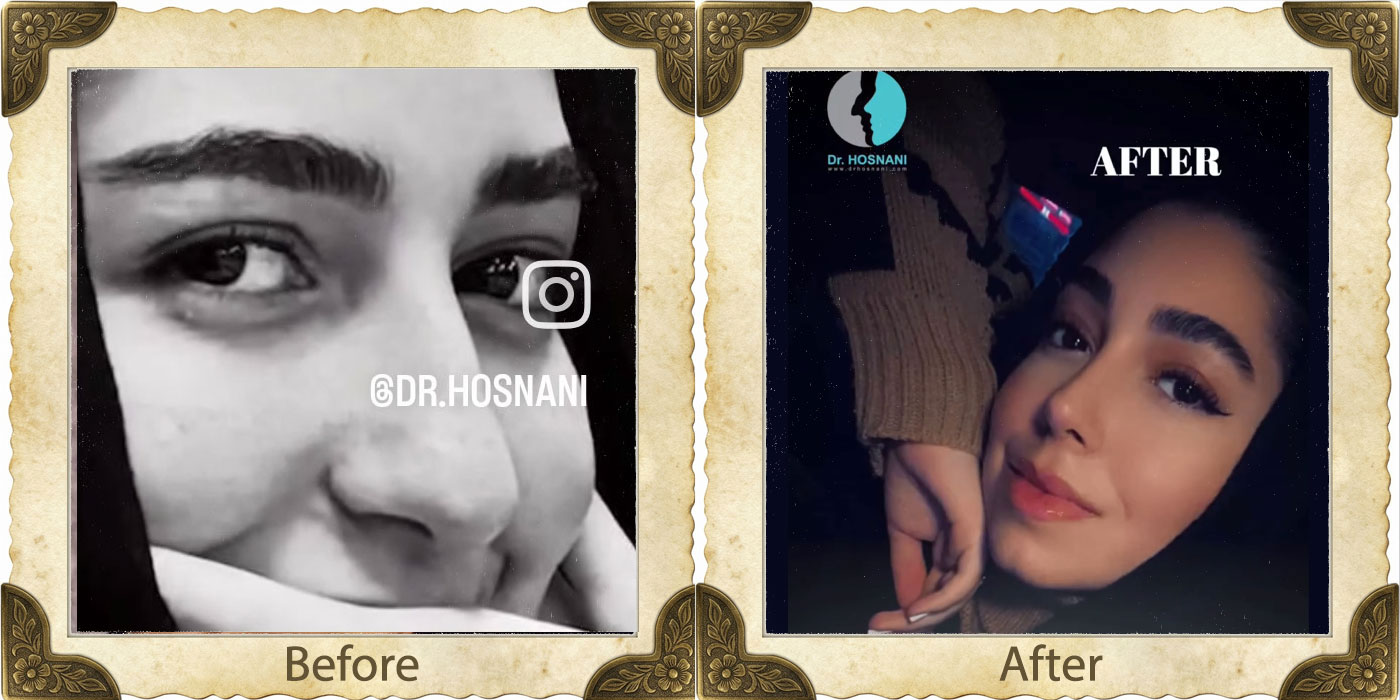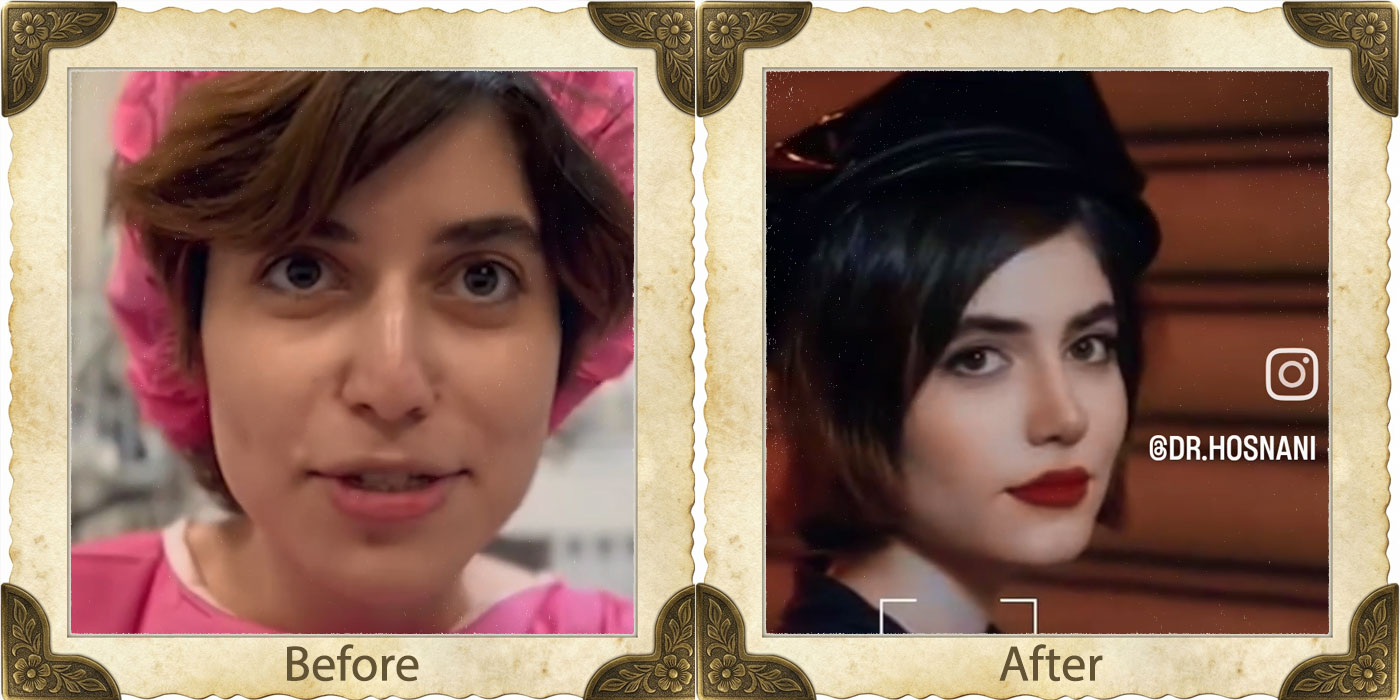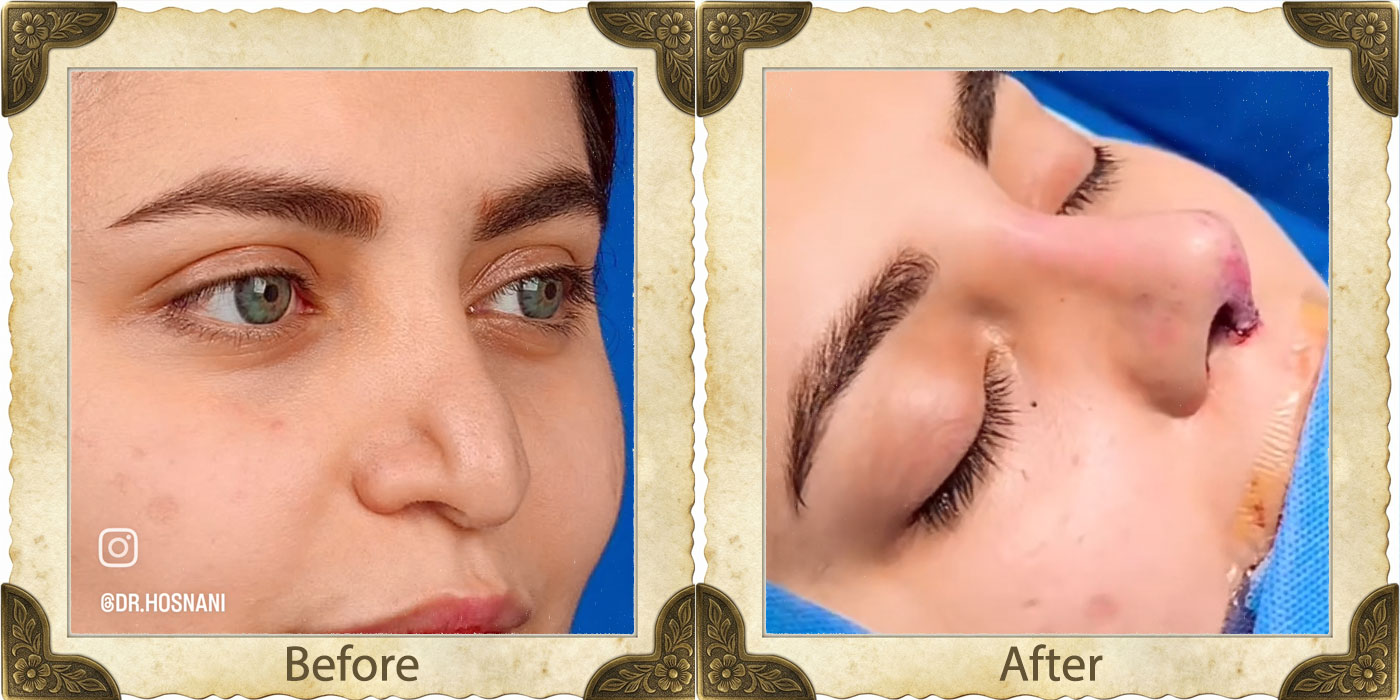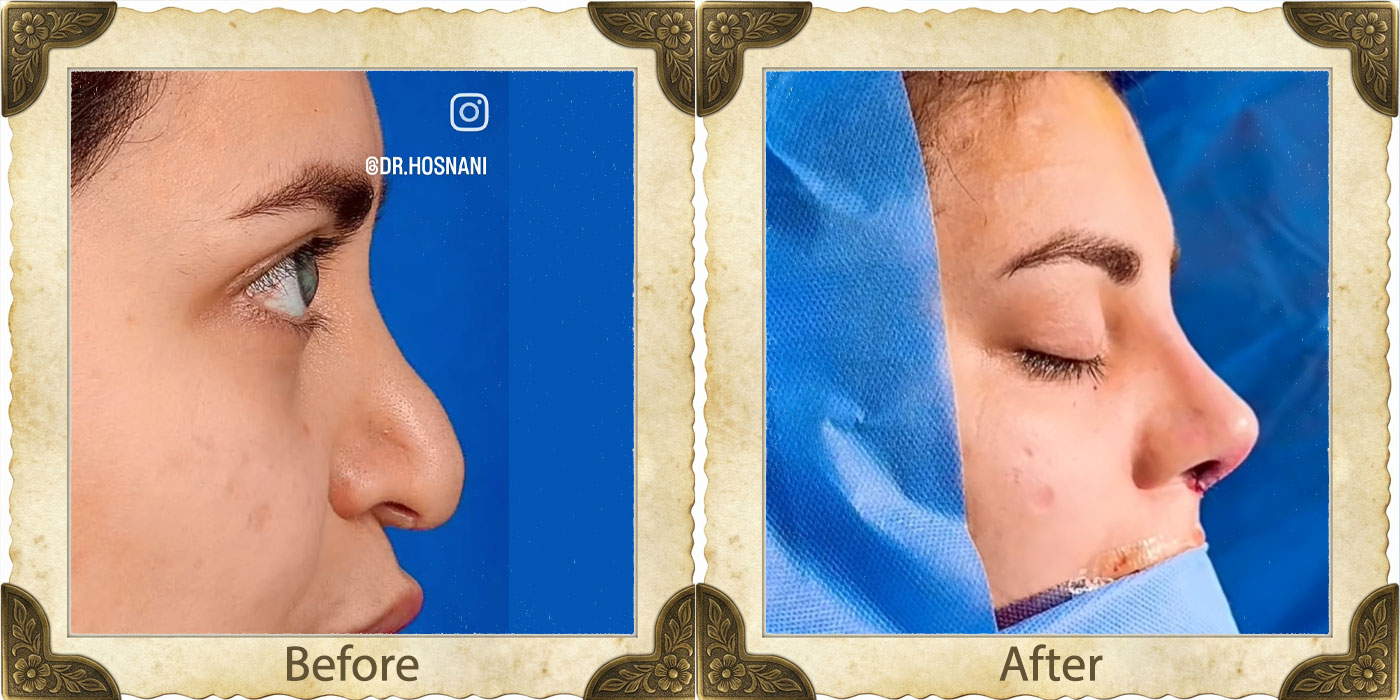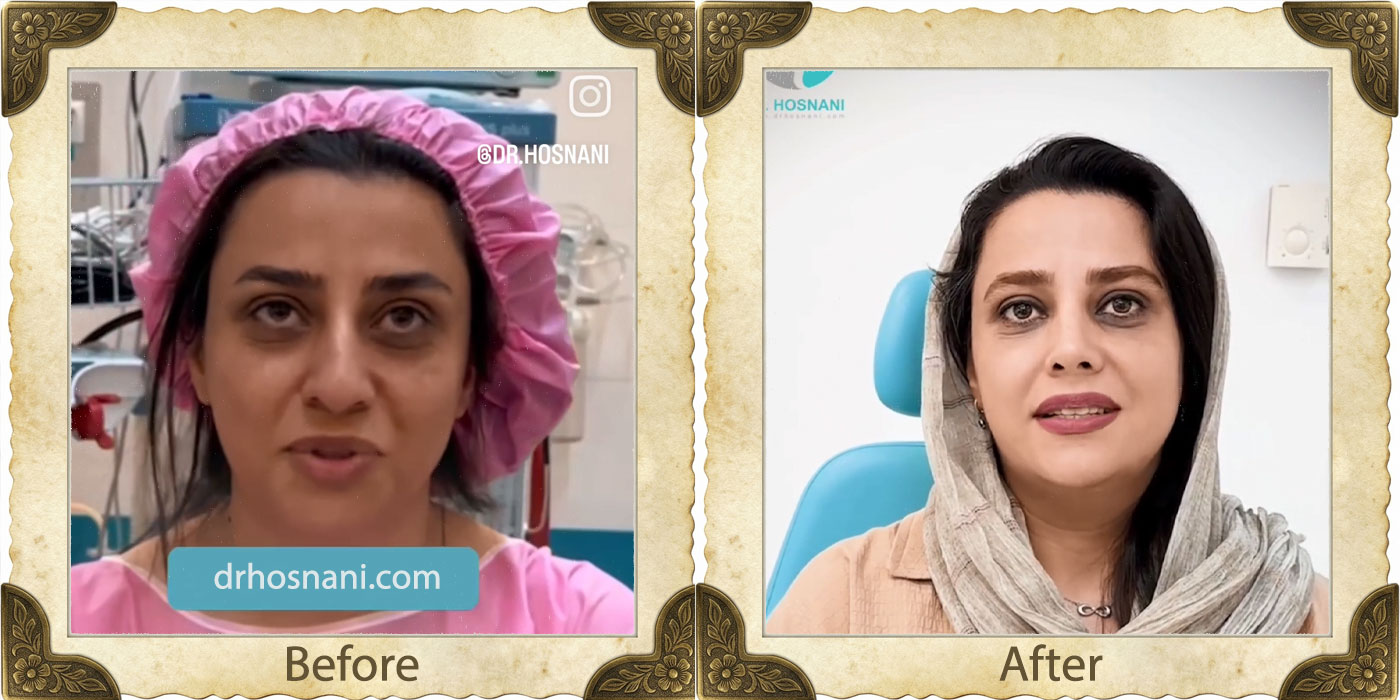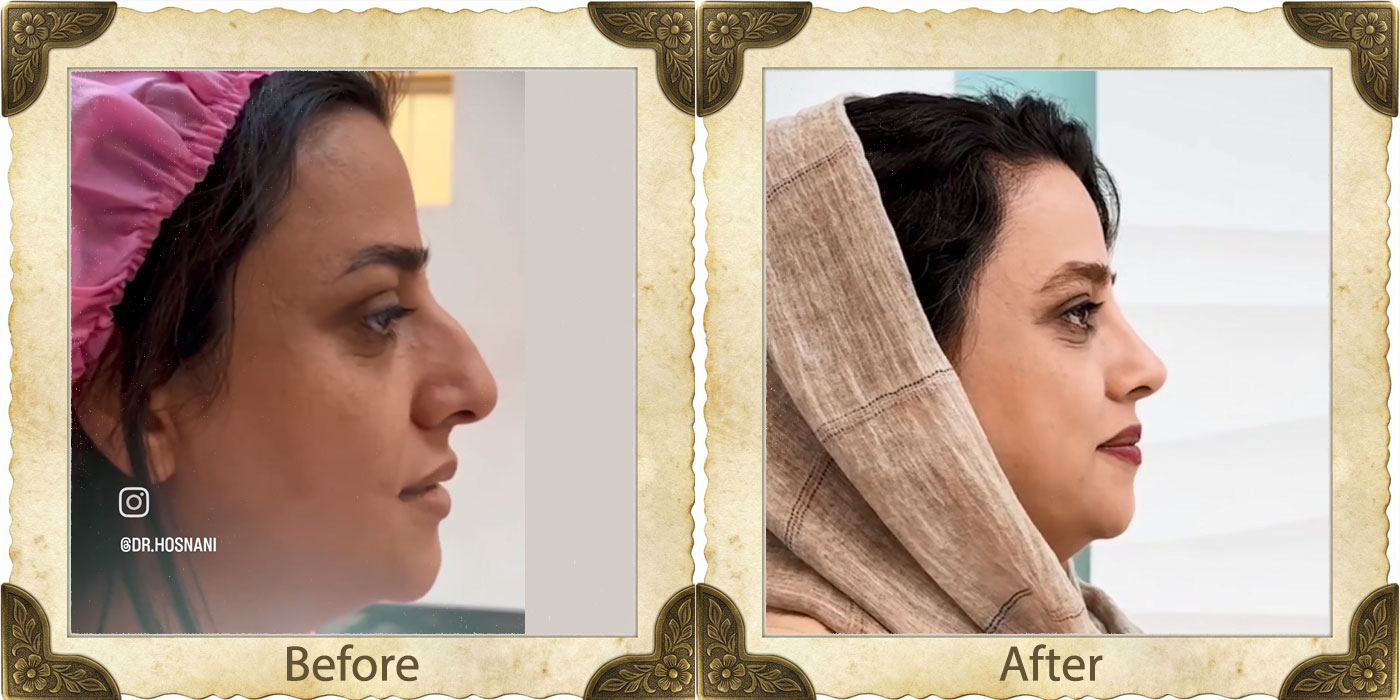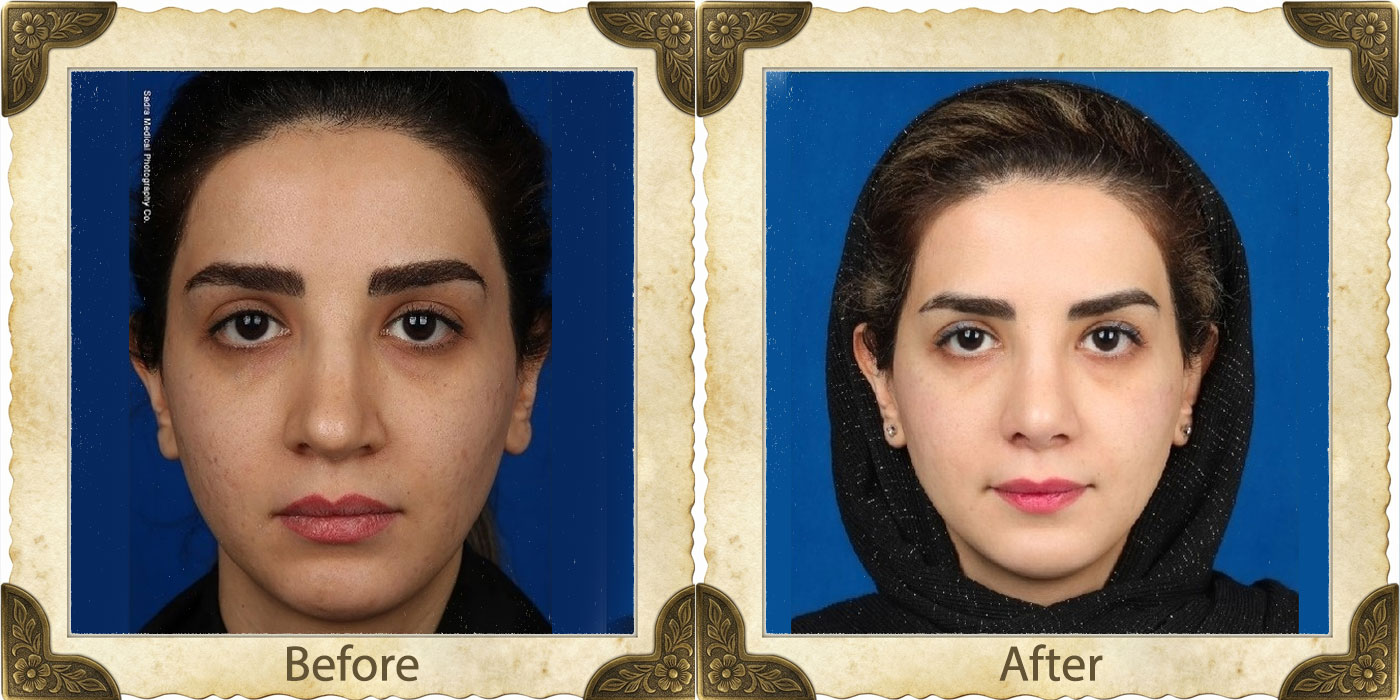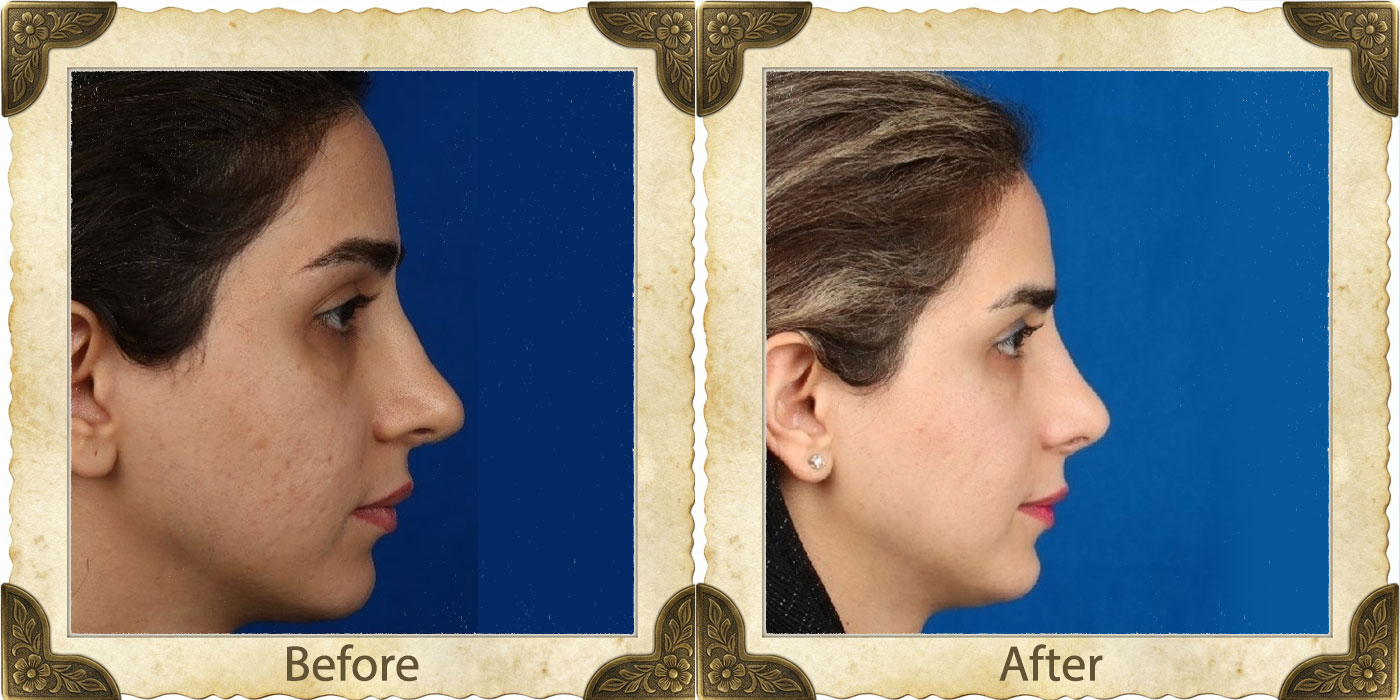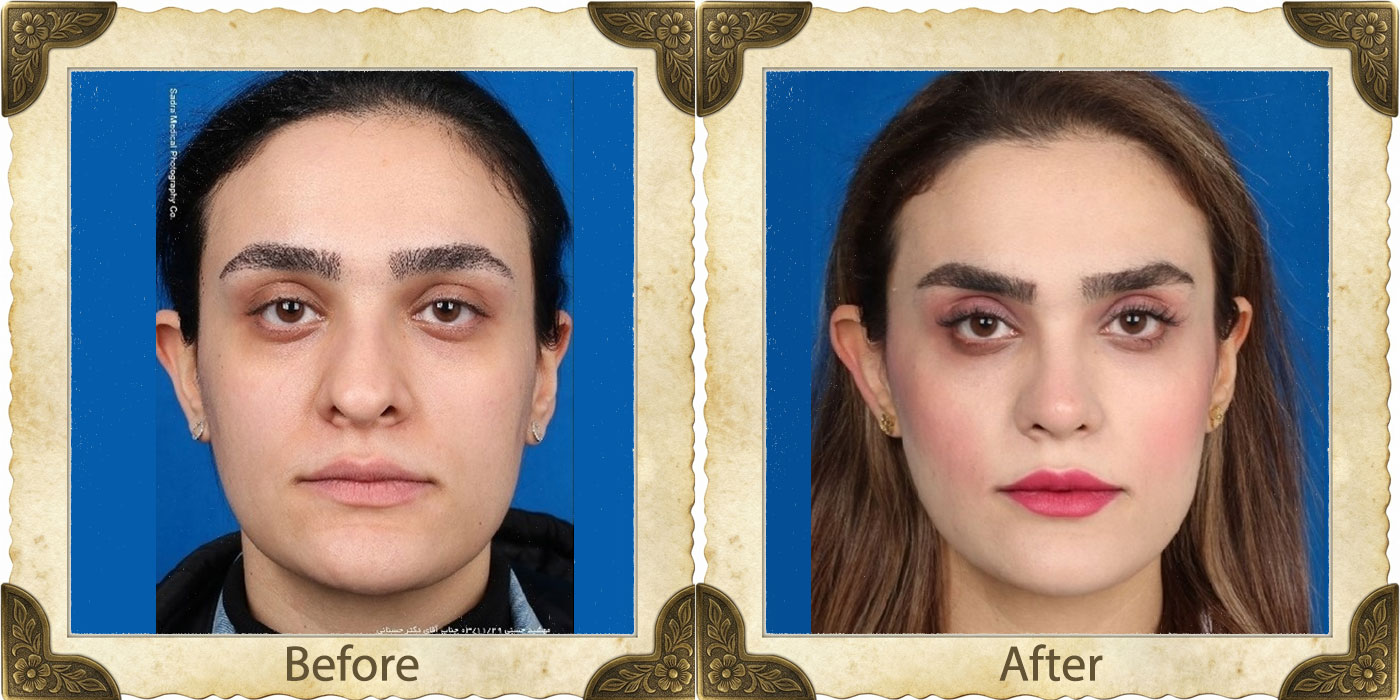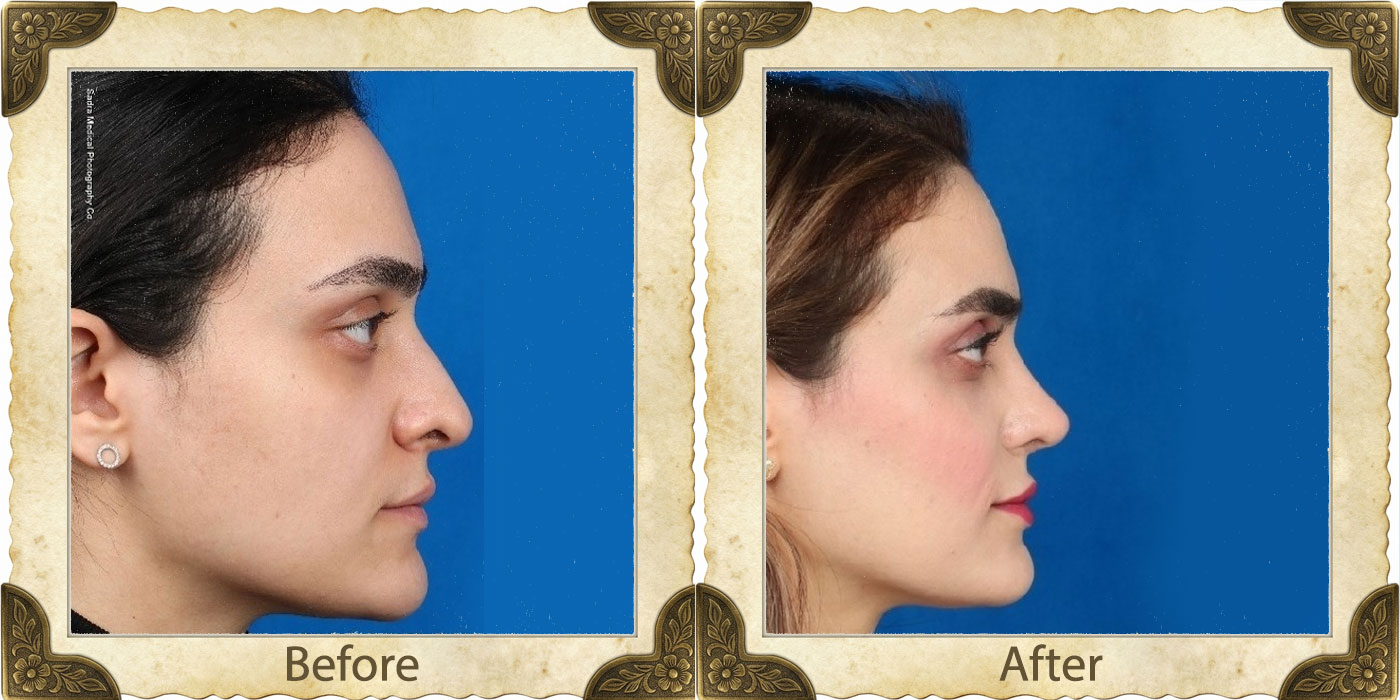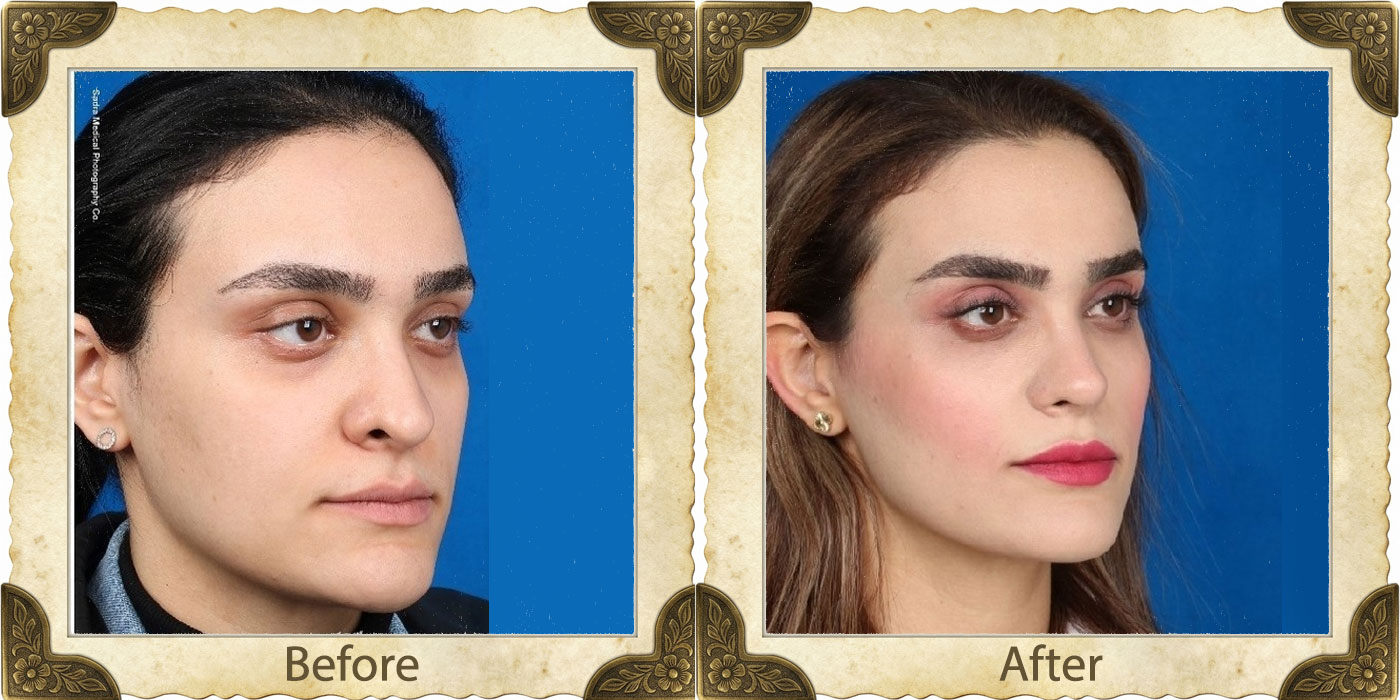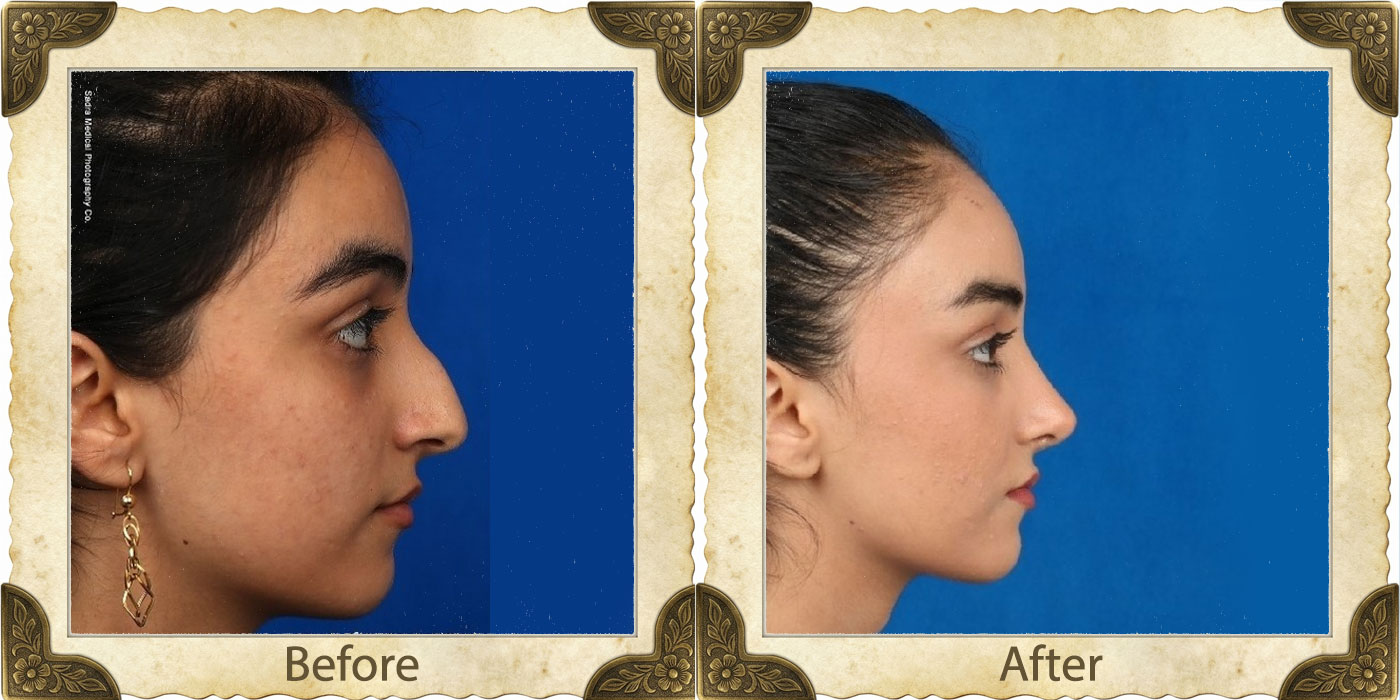




Cartilaginous Nose with Thick Skin
Dr. Hamidreza Hosnani
Some noses are cartilaginous but have thick skin.
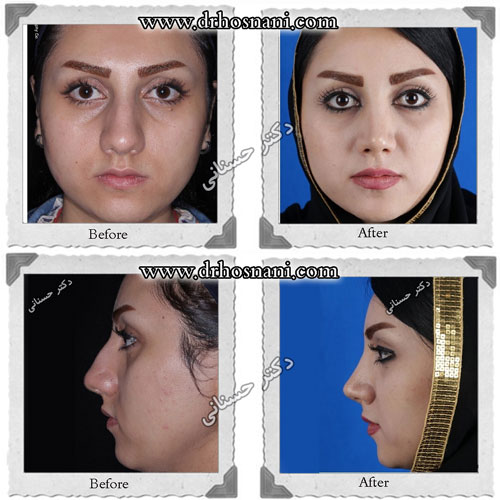
What are the characteristics of a cartilaginous nose with thick skin?
This type of nose possesses structural contrasts:
- Skin: The covering layer is thick, usually oily, and has visible pores (a characteristic of a fleshy nose).
- Skeleton: Unlike classic fleshy noses, the cartilage is not weak. The cartilaginous-bony skeleton is relatively strong and usually features a hump or significant bone width (a characteristic of a bony nose).
- Nasal Tip: Due to the thickness of the skin, the nasal tip usually appears wide or semi-wide, and the underlying cartilaginous details are hidden.
Click to view
The main challenge in surgery for these noses
The greatest challenge in these noses is "displaying the changes."
When the skin is thick, it acts like a thick quilt covering a bed; no matter how elegantly you shape the skeleton (the bed), the thickness of the top layer prevents those details from being clearly visible.
If the surgeon makes the skeleton too small, the thick skin cannot contract to fit the smaller framework, creating a "dead space" that leads to scar tissue formation and nasal deformity over the long term.
Golden Technique: Structural Rhinoplasty
For these noses, old "reductive" methods (removing large amounts of cartilage) are no longer effective. The best approach is structural rhinoplasty:
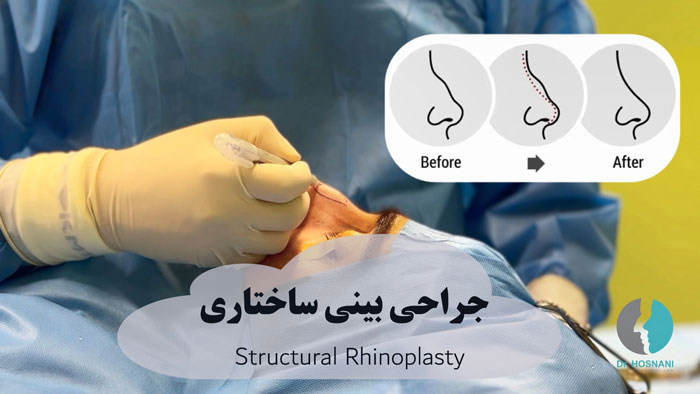
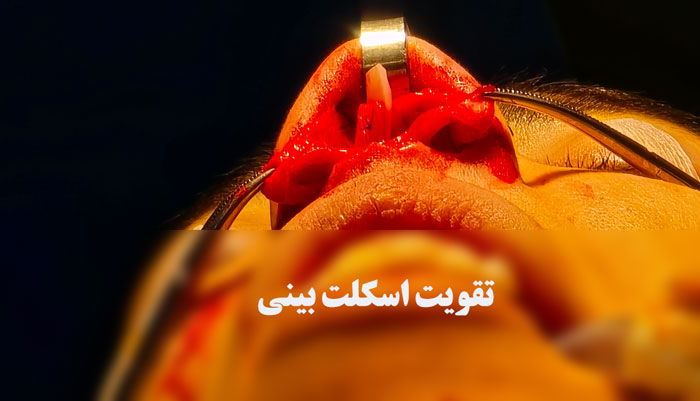
- Strengthening rather than weakening: Instead of weakening the cartilages, the surgeon uses cartilage grafts (usually harvested from the nasal septum) to reinforce and solidify the skeleton.
- Creating a support base: The skeleton must be strong enough to withstand the pressure of the thick skin and push it outward, allowing the shape and angle of the nasal tip to be defined.
- Gentle thinning of the skin: In some cases, with extreme caution, the surgeon defats the subcutaneous layers in the tip area to slightly thin the skin (while strictly maintaining the skin's blood supply).
Open or Closed surgery?
In cartilaginous noses with thick skin, the open technique is the preferred choice for most surgeons because:
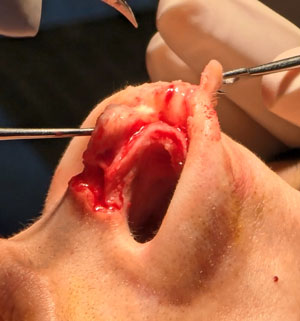
- The surgeon has full visibility of the cartilages.
- It allows for the precise placement of delicate grafts and specialized sutures to shape the nasal tip.
- Controlling symmetry in thick skin is significantly easier with direct visualization.
Click to view
Recovery period and swelling: Patience is the key to success
Patients with thick skin must understand that their recovery path differs from those with thin skin:
- Prolonged swelling: Thick skin has a high tendency to retain fluids and swell. While swelling in bony noses largely subsides within 6 months, it may take 1 to 2 years for the swelling to completely disappear in these noses.
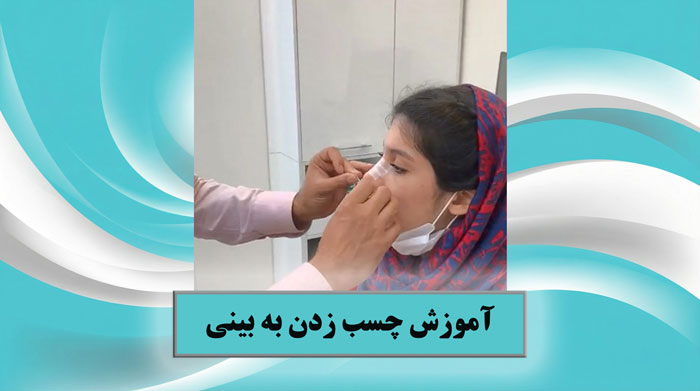
- Longer taping: Your surgeon may recommend using nasal tape for a longer period (e.g., 2 to 3 months) to help the skin adhere to the underlying skeleton more quickly.
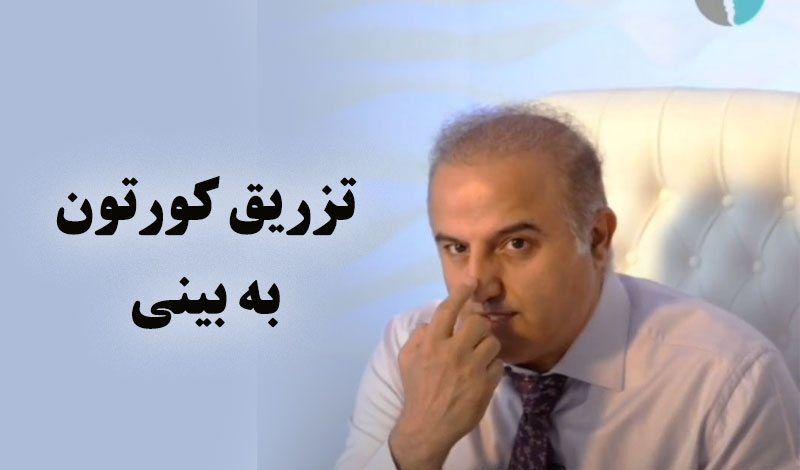
- Cortisone injections: In many cases, to reduce persistent swelling in the supratip area (the area above the tip), the surgeon may prescribe very low doses of cortisone (anti-swelling injection) during the first few months post-surgery.
Realistic expectations
In cartilaginous-bony noses with thick skin, the goal of surgery is "significant improvement," not necessarily creating a "very fantasy or miniature" nose.
- The nasal hump is corrected effectively.
- Drooping is corrected.
- The nose becomes more well-formed and proportionate.
However, one should not expect the tip of the nose to become as sharp and bony as in individuals with thin skin.
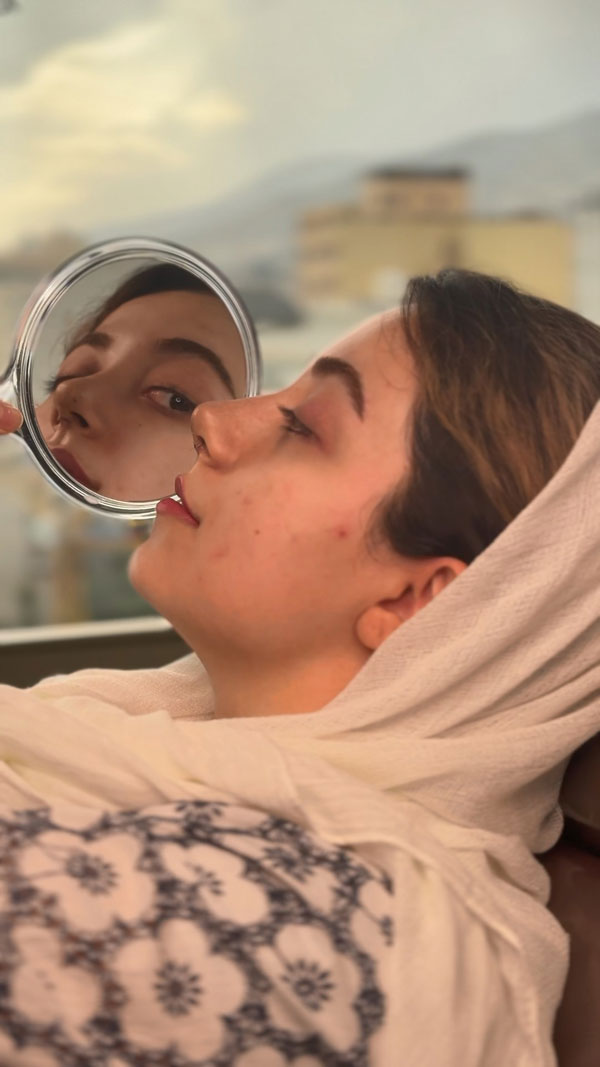
Gallery of Cartilaginous Noses with Thick Skin