




Traveling to Iran for Rhinoplasty - Amal's Story
Dr. Hamidreza Hosnani
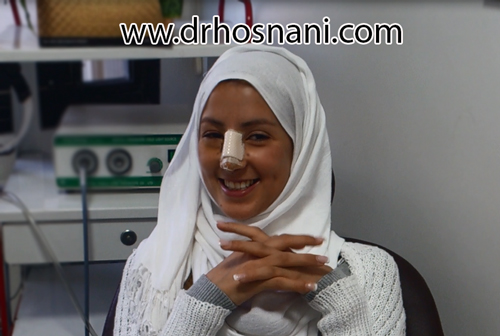
Traveling to Iran for rhinoplasty is a serious and carefully planned choice for many international patients. Due to the high experience of surgeons, the diversity of surgical cases, and more affordable costs compared with many countries, rhinoplasty in Iran has attracted international attention. In 2014, a girl named Amal from Morocco who lived in Dubai decided to undergo rhinoplasty in Iran. After searching online and consulting with different doctors, she finally chose Dr. Hamidreza Hosnani for her surgery. In this article we review her travel experience.

Traveling to Iran for rhinoplasty (nose surgery) is not just about selecting the right surgeon; it requires proper time management, pre-trip coordination, post-operative care, and planning the correct timing for your return flight. This guide outlines a one-week plan for those traveling from abroad to Iran for rhinoplasty.
Throughout this guide, we will follow the story of Amal, a patient who traveled to Iran to undergo this procedure.

Why is Iran a Top Destination for Rhinoplasty?
In recent years, Iran has become a globally recognized destination for rhinoplasty. The high volume of surgeries performed, the extensive experience of the physicians, and the access to specialized medical services are the primary reasons for this popularity.
Beyond the quality of medical care, affordable costs and the opportunity to combine treatment with a short trip have led many international patients to choose Iran for their nose surgery.

Quality of Surgery and Expertise of Iranian Surgeons
Due to encountering a wide spectrum of nose types—including bony, fleshy, deviated, or revision cases—rhinoplasty surgeons in Iran possess a high level of practical experience. This diversity of cases enables Iranian surgeons to excel in designing nasal shapes that harmonize with the face while maintaining respiratory function.
In rhinoplasty, it is not enough to simply reduce or change the appearance of the nose; the preservation of the breathing airway, correction of potential septum deviation, and the creation of harmony between the nose, lips, chin, and other facial components must be considered.
In an interview with BBC Radio, Dr. Hosnani explained that the reason Iran has become a leading medical tourism destination for rhinoplasty is not merely the difference in cost, but the significantly higher quality of work provided by Iranian surgeons.
Economic Advantages and Affordable Costs
A major reason for choosing Iran is the cost-effectiveness of medical services compared to many European, American, or Persian Gulf countries. This price difference usually covers the surgeon's fee, surgical center costs, medications, tests, and post-operative follow-up visits.
Of course, lower cost should not be the sole criterion. For international patients, reviewing the surgeon’s background, portfolios, the quality of the medical facility, and the availability of post-operative follow-up care is extremely important.
Combining Surgery with a Tourism Experience in Iran
For some patients, traveling to Iran is an opportunity to experience the country’s culture, food, architecture, and historical sites. However, it is important to remember that after rhinoplasty, the body requires rest, and any tourism itinerary must be very light and limited.
Short excursions, shopping for souvenirs, or leisurely visits are only recommended once the physician approves and the patient is in a suitable condition regarding swelling, pain, and general health.
Pre-Travel Requirements (Remote Management)
A significant portion of planning for international patients should be completed before arrival in Iran. This ensures the stay is well-managed, allowing the patient to proceed directly to in-person consultations and surgery without wasting time.
Remote coordination includes sending photos, reviewing medical conditions, scheduling the surgery, booking accommodation, and preparing the necessary documents.
Online Consultation and Sending Images for Initial Review
In the first stage, the patient usually sends photographs of their face from different angles to the doctor or the medical team. These images typically include the front view, right and left profiles, three-quarter view, and a view from below.
By examining these photos, the doctor can provide an initial assessment of the nose type, the size of the hump, tip drooping, visible deviation, skin thickness, and facial harmony. However, the final diagnosis and the surgical plan are usually determined only after an in-person examination.

Choosing a Surgeon and Pre-Arrival Coordination
Selecting the right surgeon is the most crucial part of planning a medical trip. It is best to review the surgeon’s portfolio, their experience with similar nose types, their surgical style, and the possibility of follow-up after you return home.
Once the doctor is chosen, the estimated arrival date, the in-person consultation date, surgery day, the venue, and post-operative visits must be scheduled. This coordination helps ensure the one-week plan is executed with minimal pressure and maximum safety.
Visa Procedures and Choosing Suitable Accommodation
International patients must check entry requirements and visa needs for Iran based on their nationality before traveling. If a visa is required, it is better to start the process early to avoid any conflicts with the surgery date.
Choosing a place to stay is also vital. Ideally, accommodation should be near the office, clinic, or hospital to make traveling on post-operative days easier. The environment should be calm, clean, and conducive to rest.
One-Week Itinerary for Rhinoplasty
The one-week schedule for rhinoplasty in Iran must be designed to allow sufficient time for arrival, consultation, surgery, initial rest, check-ups, and preparation for the return flight.
This schedule may vary slightly depending on the patient's physical condition, the type of surgery, the doctor's advice, and facility regulations.
Day One: Arrival, Settling In, and In-Person Consultation
On the first day, the patient arrives in Iran. After transferring to their accommodation, it is best to rest for a while. Travel fatigue, jet lag, and the stress of the trip can put pressure on the body; therefore, the first day’s schedule should not be heavy.

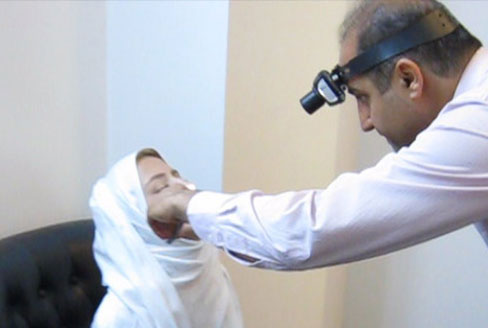
On this day, or at least before the surgery, the in-person consultation with the doctor takes place. During this session, the doctor examines the nose's bone structure, cartilage, skin, breathing, and facial harmony, and the patient's expectations are precisely discussed.
Day Two: Surgery Day (Rhinoplasty) and Absolute Rest
On the second day, the patient reports to the hospital or surgery center according to the prior arrangement. Before the procedure, the medical file, tests, and the patient's general health are reviewed.
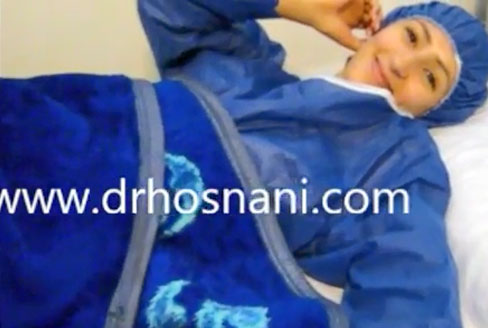
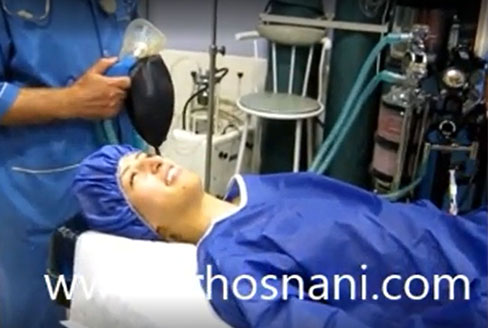
Rhinoplasty is typically performed under general anesthesia. The duration varies based on the complexity of the nose, the corrections needed, and whether it is a primary or revision surgery. After the procedure, the patient stays in recovery under observation and is discharged according to the doctor's advice, or remains for further observation if necessary.
Evening of Day Two: Initial Assessment and Start of Light Recovery
The evening of the second day is usually dedicated to checking the patient's general condition, controlling pain, swelling, bruising, and breathing. The patient should focus on resting and avoiding unnecessary activities.
Taking prescribed medications, keeping the head elevated while resting, using cold compresses if recommended by the doctor, and drinking sufficient fluids are important care steps at this stage.
Days Three to Six: Rest and Start of Initial Home Care
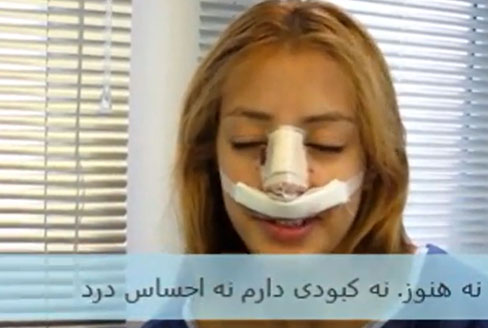
During these four days, the patient is in the initial recovery period. Some bruising around the eyes and swelling of the nose may still be visible, which is usually normal.
During this time, care for the splint, avoiding impact, refraining from bending over, avoiding nose blowing, and following dietary recommendations should be taken seriously. If permitted by the doctor, gentle nasal rinsing with saline can begin or continue.
Day Seven: Final Check-up and Splint Removal
On the seventh day, a final check-up is usually performed. The nasal splint (cast) is removed on this day.
After the final examination and receiving follow-up instructions, the patient can prepare for their return flight, provided they have the doctor's approval. Note that the final shape of the nose is not visible at this stage, as swelling can continue for months.

Crucial Points for International Patients
Due to the geographical distance from their doctor, international patients must learn post-operative care instructions with extra care. Receiving written instructions, necessary medications, and a direct method of communication with the medical team is vital.
Furthermore, patients should be aware of which symptoms are normal and which require immediate attention.
Flight Conditions After Surgery (Waiting Period)
Flying after rhinoplasty must be done with the doctor’s approval. Most patients can fly after about a week if their general condition is stable, but this timing is not the same for everyone.
In case of bleeding, severe swelling, unusual pain, dizziness, or breathing difficulties, the doctor may advise postponing the return. During the flight, it is better for the patient to avoid pressure on the nose, sleeping face-down, and lifting heavy luggage.
Managing Pain and Swelling During the Return Trip
To manage pain and swelling during the journey home, the patient should carry their prescribed medications. Drinking enough water, avoiding very salty foods, and getting adequate rest help control swelling.
It is best to keep the head slightly elevated during the flight and avoid touching or pressing the nose. If needed, clean tissues, saline solution, and essential medications should be kept in carry-on luggage.
Medical Documents Needed for Your Home Physician
It is recommended that the patient receives their important medical documents from the clinic or doctor before returning home. These documents may include a surgical summary, medication list, care instructions, before-and-after photos, test results, and the doctor's contact information.
Having these documents makes it easier to follow up on the surgery and care received if you need to visit a doctor in your home country.
Frequently Asked Questions About Traveling to Iran for Rhinoplasty
Is one week enough for surgery and returning home?
In most cases, one week is sufficient for arrival, consultation, surgery, initial rest, check-up, and departure. However, if the surgery is complex, or if the patient suffers from swelling, bleeding, or other specific issues, a longer stay might be necessary.
When am I allowed to fly after surgery?
The allowed time for flying after rhinoplasty depends on the patient's condition and the doctor’s opinion. Usually, flying is possible after about 7 days if there are no specific problems, but the final decision must be made by the surgeon.
How can I communicate with the doctor from abroad?
Many patients stay in touch with their doctor after returning home via messaging apps, video calls, or by sending photos of their recovery process. It is better to establish a clear communication method and suitable follow-up times before traveling.
What is the best season to travel to Iran for rhinoplasty?
The choice of season depends on the patient's personal preference, but many prefer seasons with milder weather. Extreme heat can cause discomfort, sweating, and increased sensitivity during the recovery period; therefore, traveling during milder times is usually more comfortable.