


Pre-operative Tips for Rhinoplasty
Dr. Hamidreza Hosnani
Before rhinoplasty, facial surgery, or eyelid surgery, you must fast. Do not smoke or take aspirin for two weeks before and two weeks after surgery. Certain medical tests must also be performed, and you should have studio photographs of your face taken from different angles.
Two Weeks Before Rhinoplasty
Avoid Aspirin and Ibuprofen
From two weeks before surgery until two weeks after the operation, avoid pain relievers such as aspirin and ibuprofen. These medications can increase the risk of bleeding during surgery and may complicate the procedure.
Stop Smoking and Tobacco Use
Nicotine causes constriction of blood vessels and reduces oxygen supply to tissues, which can significantly delay wound healing. You should completely stop smoking cigarettes, hookah, and other tobacco products at least 2 to 4 weeks before surgery.
One Week Before Rhinoplasty
Avoid Alcohol
Alcohol may increase the risk of bleeding and can interfere with anesthesia medications. For this reason, it is recommended to avoid alcoholic beverages for at least one week before surgery.
Physical Preparation and Nutrition
Healthy Diet: In the weeks leading up to surgery, try to follow a healthy and balanced diet that is light and nutritious.
Reducing Swelling: Foods that contain pineapple (due to the enzyme bromelain) may help reduce swelling after surgery when consumed a few days before the procedure.
Preventing Colds or Infections: If you develop symptoms such as a cold, sore throat, or fever, inform your surgeon. In many cases, surgery may need to be postponed until you recover.
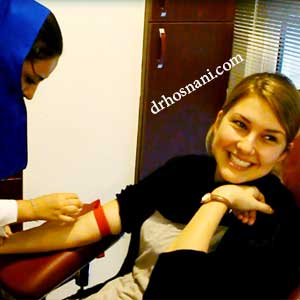
Blood Tests
The following laboratory tests are usually required before surgery:
FBS – Fasting Blood Sugar
CBC (with differential) – Evaluation of anemia or blood disorders
PT and PTT – Assessment of blood clotting function
HIV
HBsAg (Hepatitis B screening)
HCV Ab (Hepatitis C screening)

CT Scan
If you suffer from nasal obstruction or have a visible nasal deviation (a crooked nose), your doctor may recommend a CT scan of the nose and sinuses before surgery.

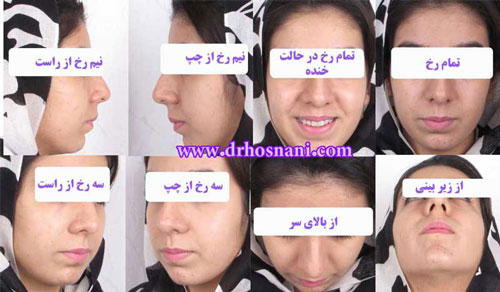
Pre‑Operative Photos
Before surgery, standardized photographs of your nose from several angles will be taken for surgical planning and documentation.
The Night Before Surgery
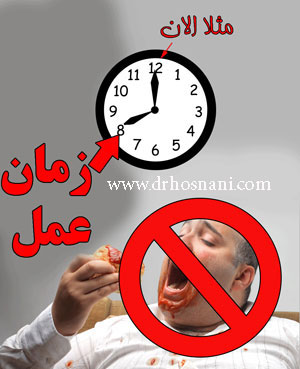
Do not eat or drink anything for at least 8 hours before surgery so that your stomach remains completely empty. During general anesthesia, if the stomach contains food, there is a risk that stomach contents may reflux and enter the airway.
Although a breathing tube is placed in the airway during surgery to reduce this risk, an empty stomach is still essential for safety.
This does not mean that you should eat excessively just before the fasting period begins. Overeating defeats the purpose of fasting. The best approach is to have a normal dinner the night before surgery and then arrive at the clinic fasting on the morning of the procedure.