




Blood Tests Before Rhinoplasty and Facial Plastic Surgery
Dr. Hamidreza Hosnani
ENT Specialist | Rhinoplasty Surgeon in Tehran | Nose Surgery Specialist
Before rhinoplasty and cosmetic facial surgery, several blood tests are performed to ensure your physical health, confirm the absence of coagulation disorders or certain diseases, and ensure that female patients are not pregnant. Blood tests before rhinoplasty usually include fasting blood sugar, anemia evaluation, coagulation tests, as well as HIV and hepatitis screening. Any blood disorder should be reported to the doctor so that postoperative bleeding can be prevented.

After the Blood Sample Is Taken, Hold a Cotton Pad on the Injection Site for a Few Seconds
Why Is a Blood Test Necessary Before Rhinoplasty?
The purpose of blood tests is not just to obtain a simple “clearance” for surgery. These tests are performed to identify conditions that could cause problems during or after the operation. For example, if a person has anemia, the body’s tolerance to surgery may be lower and the healing process may be slower. If there is a blood clotting disorder, the risk of bleeding during or after surgery increases. If there is an infection in the body or blood sugar is uncontrolled, the risk of infection and poor wound healing becomes higher.In addition, the anesthesiologist uses these results to determine whether the patient is suitable for general anesthesia or requires further evaluation or special precautions. Therefore, these tests are important not only for surgical safety but also for reducing the risks of anesthesia, bleeding, infection, and impaired healing.
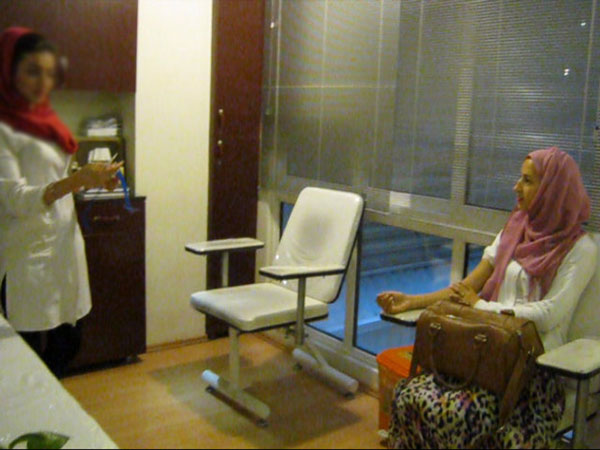
Amal Undergoing Blood Test
What Blood Tests Are Usually Requested Before Rhinoplasty?
The exact tests may vary depending on the patient’s age, medical history, medications, and the opinion of the surgeon or anesthesiologist. However, in most cases several basic tests are routinely requested.1. Complete Blood Count (CBC) One of the most common preoperative tests is the CBC. This test provides information about hemoglobin levels, red blood cells, white blood cells, and platelets. Through this test, doctors can detect anemia, possible infections, or platelet-related problems. Anemia may cause weakness, reduce the body’s tolerance to surgery, and slow the healing process. Low platelet levels can also increase the risk of bleeding.
2. Coagulation Tests To evaluate the body’s ability to control bleeding, tests such as PT, PTT, and INR are usually requested. These tests show whether blood clotting occurs normally. They become especially important if the patient has a history of abnormal bleeding, easy bruising, use of blood‑thinning medications, or liver disease.
3. Blood Sugar Measuring fasting blood sugar, or sometimes random blood sugar, helps check for hidden diabetes or evaluate blood sugar control in diabetic patients. High blood sugar can increase the risk of infection and poor wound healing. Even if a person has no known history of diabetes, the doctor may still request this test as a precaution.
4. Kidney Function Tests In some patients, especially older individuals or those with a history of kidney disease, high blood pressure, or certain medications, tests such as urea and creatinine may be requested. Proper kidney function is important for drug elimination and better tolerance of anesthesia.
5. Liver Function Tests Sometimes doctors request tests such as AST, ALT, ALP, or bilirubin to evaluate liver health. The liver plays an important role in metabolizing many medications, including anesthetic drugs, and certain liver disorders can also affect blood clotting.
6. Viral or Infectious Disease Tests Depending on the surgical center’s protocol, tests may be requested for infections such as hepatitis B, hepatitis C, and HIV. These tests are important both for patient safety and for maintaining operating room standards. Having these conditions does not necessarily mean surgery cannot be performed, but knowing about them is important for proper planning.
7. Blood Group Determination In some centers, blood type and Rh factor are also determined. Although severe bleeding and the need for blood transfusion are rare in rhinoplasty, knowing the blood group can still be useful in surgical settings.
8. Pregnancy Test in Women In women of childbearing age, a pregnancy test may be requested before surgery, even if the likelihood of pregnancy seems low. Anesthesia and surgical medications require special consideration during pregnancy.

Rhinoplasty during pregnancy is prohibited because general anesthesia and the medications used during surgery can be dangerous for the fetus and may increase the risk of complications such as fetal abnormalities, miscarriage, or premature birth. In addition, hormonal changes and increased blood flow during pregnancy cause greater tissue swelling and can affect the healing process. Postoperative medications such as painkillers and antibiotics may also be harmful to fetal health. For this reason, rhinoplasty is recommended only after pregnancy has ended and preferably some time after delivery, when the mother’s body has returned to its normal condition.
Do All Patients Need the Same Tests?
No. Although some tests are common for most patients, the final list of tests is determined based on each individual’s condition. For example, a young and healthy patient with no underlying disease may only need basic tests, while someone with a history of diabetes, hypertension, thyroid disease, heart problems, or certain medications may require additional evaluation.Patients with a history of prolonged bleeding after dental extraction, frequent bruising, severe nosebleeds, or family history of clotting disorders may also require more specialized tests. Therefore, doctors do not rely on a fixed checklist but evaluate each patient individually.
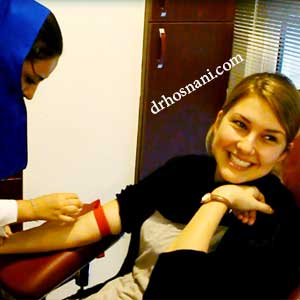
Esmeralda Undergoing Blood Test.
How Many Days Before Rhinoplasty Is the Blood Test Done?
Blood tests are usually performed from one day up to about two weeks before surgery. This timeframe allows enough opportunity to investigate or correct any abnormal findings. If too much time passes between the test and the surgery, the doctor may request that some tests be repeated, especially if the patient’s health condition has changed.It is best to follow the timing recommended by the surgeon or surgical center, as some centers have specific protocols regarding when tests should be done.

Najim Undergoing Blood Test Before Rhinoplasty
Do You Need to Fast?
If fasting blood sugar or certain biochemical tests are included in the request, patients are usually asked to fast for 8 to 12 hours. Drinking water during this period is generally allowed unless specific instructions say otherwise.Patients should bring their laboratory test request with them when visiting the lab and follow the instructions provided by their doctor or the laboratory staff. If fasting is required, they are usually informed in advance.
If a Blood Test Is Abnormal, Will the Surgery Be Cancelled?
An abnormal test result does not always mean the surgery will be cancelled, but it may cause a temporary delay so the issue can be evaluated or corrected. For example, if mild anemia is detected, the doctor may prescribe short‑term treatment or investigate its cause before scheduling surgery at a safer time. If a clotting disorder or active infection is found, the surgery is usually postponed until the problem is resolved.These decisions are not unnecessary strictness; they are made to improve patient safety. In fact, discovering a problem before surgery is considered beneficial because it provides the opportunity to correct it.
Can Medications Affect Blood Test Results?
Yes. Some medications can affect test results or even the safety of surgery. For example, aspirin, warfarin, clopidogrel, certain anti‑inflammatory painkillers, herbal supplements, vitamin E, and omega‑3 may increase the risk of bleeding. Corticosteroids, diabetes medications, or certain hormonal drugs may also require special adjustment.For this reason, patients should honestly inform the surgeon and anesthesiologist about all medications, supplements, and even herbal products they are taking. Stopping or continuing medications should only be done under medical guidance, not independently.

Informing the doctor about the names of medications you take before rhinoplasty is essential because some medications can affect the surgery and anesthesia process and create risks such as bleeding, drug interactions, or cardiac and respiratory complications. For example, blood-thinning medications such as ibuprofen or warfarin increase the risk of bleeding, some herbal medicines can alter blood pressure or blood sugar, and certain sedatives or psychiatric medications may interact with anesthetic drugs. Accurate disclosure of medications helps the surgeon and anesthesiologist plan anesthesia and postoperative care more safely and minimize potential risks.
Is a Blood Test Alone Enough for Preoperative Preparation?
No. Blood tests are only one part of the preoperative evaluation before rhinoplasty. In addition, doctors usually take a complete medical history, perform a physical examination, review previous illnesses, medications, drug allergies, and past surgeries, and may request additional tests or specialist consultations if necessary. In some patients, an ECG, chest X‑ray, or cardiology/internal medicine consultation may also be required.Therefore, preparation before rhinoplasty is a multi‑step process in which blood testing plays an important—but not the only—role.

After the blood test, the patient must go to medical imaging centers to obtain CT scans. CT scan images are necessary to be displayed in the operating room and increase the surgeon's accuracy during surgery.