




Medications After Rhinoplasty
Dr. Hamidreza Hosnani
ENT Specialist | Rhinoplasty Surgeon in Tehran | Nose Surgery Specialist
Nasal drops, nasal ointment, antibiotics, pain relievers, and antihistamines are among the medications used after rhinoplasty. These medications are prescribed at the time of discharge. For one month, four drops should be used every six hours...
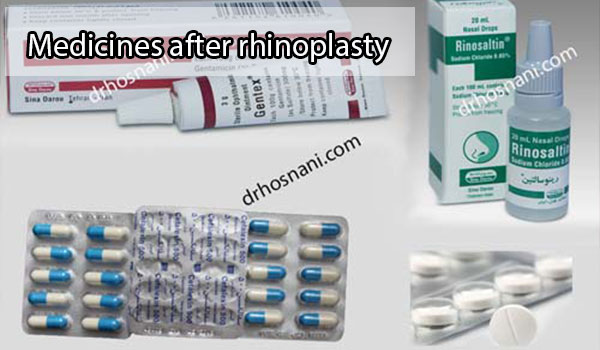
After Rhinoplasty, You Will Be Prescribed Painkillers, Antibiotics, Rhinosaltin Drops, and Ointment
Nasal Drops (Rinosaltin)
After the nasal tampons are removed, for one month, every six hours, place four drops of Rinosaltin in each nostril. It is better if the drops reach the throat.Rinosaltin is a nasal spray containing a corticosteroid (budesonide) that reduces inflammation of the nasal mucosa and improves allergy symptoms such as sneezing, itching, and runny nose. Unlike decongestant drops, it is not addictive and can be used safely for a longer period under the supervision of Dr. Hosnani. However, it may cause side effects such as nasal dryness or headache.
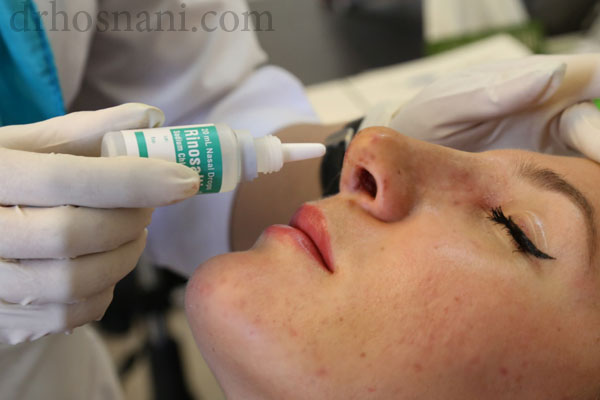
For Two Months After Rhinoplasty, Put Four Drops of Rhinosaltin in Each Nostril
Naphazoline: A strong decongestant nasal drop or spray with a rapid effect (5–10 minutes). It works by constricting the blood vessels in the nose, temporarily reducing swelling and congestion. Using it for more than 3–5 days may cause rebound congestion (rhinitis medicamentosa) and dependency. Therefore, it is recommended only for short‑term use in acute cases.
Phenylephrine: A topical decongestant with a milder effect than naphazoline. It is used to relieve nasal congestion caused by colds or sinusitis. However, prolonged use (more than 3 days) may also lead to dependency and irritation of the nasal mucosa. A safer alternative is saline irrigation or steroid nasal sprays.
Key Point: Naphazoline and Phenylephrine should only be used for short periods and may cause dependency. 🚫
Nasal Ointments:
Apply the ointment every six hours on the sutures and slightly inside the nose.Antibiotic Ointment: During the first week after rhinoplasty, antibiotic ointments are used to lubricate the internal and external nasal sutures. These ointments help the wounds inside and outside the nose heal faster and without complications. After one week, there is usually no need to continue using antibiotic ointments.

During the first week after rhinoplasty, surgeons usually recommend using an antibiotic ointment inside the nose or on the sutures. This helps prevent infection, keeps the nasal lining moist, reduces crusting, and supports better healing. It is typically used gently several times a day for about one week as instructed by the doctor.
Anti‑Scar Ointment: Also, after one week following rhinoplasty, anti‑scar ointments should be applied on the visible external suture marks for three to six months to minimize any remaining scars.

One week after rhinoplasty, once the sutures are removed, you may use anti‑scar ointments for two months or longer depending on your doctor’s recommendation. Apply a thin layer on the nasal skin.
Antibiotic:
Cephalexin capsules should be taken every six hours, one capsule at a time, for one week.Pain Relief:
Rhinoplasty is usually a painless surgery. The operation is performed under general anesthesia, so you will not feel any pain during the procedure. After surgery, some people may experience headache or nasal congestion, which is normal and can be easily controlled with prescribed pain medications.These medications should be taken according to instructions as soon as you arrive home. A common mistake some patients make is thinking that if they do not feel pain, they do not need to take the medication. This is incorrect because painkillers not only relieve pain but also help prevent it. If you wait until pain begins before taking medication, you may need a higher dose. If you take the medication at the beginning of discomfort or before pain develops, you will usually need less medication overall and will feel more comfortable.
Pain Medications:
Acetaminophen or Acetaminophen‑Codeine tablets
Dosage:
One tablet every six hours for forty‑eight hours.
Antihistamine:
One tablet every 12 hours