




Yawning After Rhinoplasty
Dr. Hamidreza Hosnani
ENT Specialist | Rhinoplasty Surgeon in Tehran | Nose Surgery Specialist
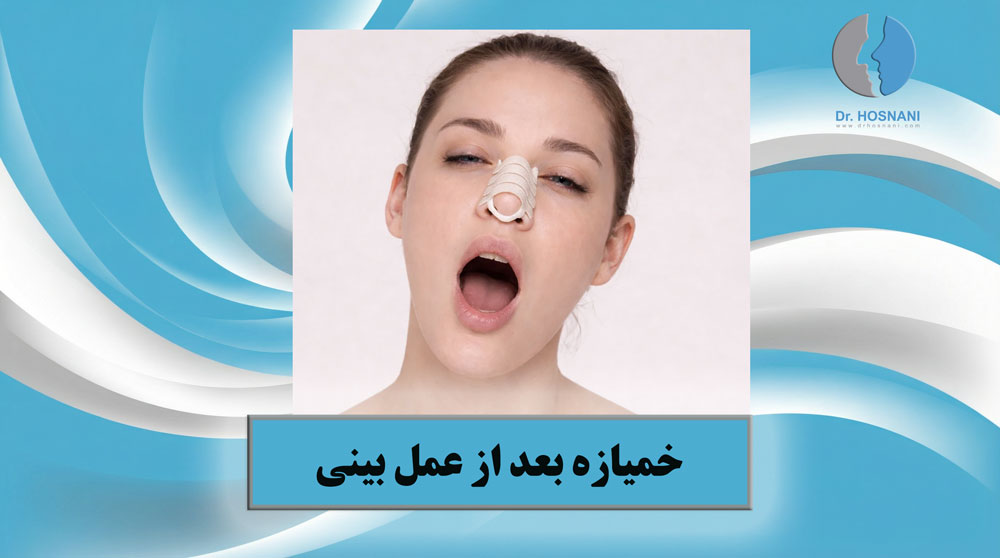
In general, yawning does not affect the results of rhinoplasty. However, after surgery it is better not to open your mouth too widely when yawning. Sudden facial muscle movements and excessive mouth opening can place pressure on the sutures, splint, and healing nasal tissues, especially in the early days after surgery. This pressure may cause discomfort, tension, or increased swelling. Therefore, patients are advised to control yawning during the early weeks after surgery.
Is Yawning After Rhinoplasty Dangerous?
In general, yawning after rhinoplasty is not dangerous. However, if it involves opening the mouth too widely and strongly stretching the facial muscles, it may place temporary pressure on the nose and the suture area.During the first days after surgery:
◆ The nasal tissues are still swollen,
◆ Internal and external sutures are still healing,
◆ The muscles of the upper lip and around the nose are closely connected to the operated area.
Therefore, very large or prolonged yawns may stretch these areas and cause discomfort or pain. In rare cases, they may also increase swelling.
Why Can Yawning Cause Discomfort?
1. Stretching of the Muscles Around the NoseDuring yawning, the cheek and upper‑lip muscles expand involuntarily and pull on the skin around the nose. In the early postoperative period, this stretching may cause discomfort or a feeling of pressure.
2. Temporary Pressure Changes in the Nasal Passages
Opening and closing the mouth while taking a deep breath during a yawn changes the pressure inside the nose. In a nose that is still swollen and sensitive, this pressure change may create a sharp or pulling sensation.
3. Limited Movement Because of the Splint or Nasal Tape
During the first week, when the splint or external dressing is still on the nose, a large yawn may slightly shift the dressing or create a pulling sensation in the skin.
How to Yawn After Rhinoplasty Without Hurting the Nose
✅ Gentle, Short Yawns:If you feel the urge to yawn, open your mouth only slightly and avoid exaggerated movement.
✅ Gently Support the Nose with Your Fingers:
If the nose is very sensitive, you may gently hold the nasal tip with two fingers while yawning to reduce movement of the surrounding skin.
✅ Breathe Calmly Through the Mouth:
During yawning, try to release the breathing pressure through the mouth rather than the nose.
✅ During the First Week After Removing the Splint:
It is better to minimize strong yawning so the tissues have enough time to heal.
How Long Should You Be Careful About Yawning?
First Week: It is best to avoid strong yawning or opening the mouth too widely as much as possible.Second to Third Week: Normal yawning is generally acceptable, but care should be taken not to apply excessive pressure.
After Three Weeks: There is usually no special restriction, and yawning is considered completely normal.
Can Yawning Affect the Shape of the Nose?
Yawning by itself does not change the shape of the nose or displace the cartilage, because the pressure created by yawning is very minimal. Only very strong or repeated facial movements—such as excessive laughing or rubbing the nose—may affect swelling, not the final shape.Additional Care Tips During This Period
◆ Avoid excessive laughing or talking during the first few days.◆ When sneezing, keep your mouth open so the pressure is released through the mouth.
◆ Touch the face gently when washing or drying it.
◆ If you feel significant pain or pulling while yawning, consult your doctor.