




Laughing and Crying After Rhinoplasty
Dr. Hamidreza Hosnani
ENT Specialist | Rhinoplasty Surgeon in Tehran | Nose Surgery Specialist
It is recommended that after cosmetic rhinoplasty, patients avoid intense laughing or heavy crying for about one month because these actions can move the upper jaw.
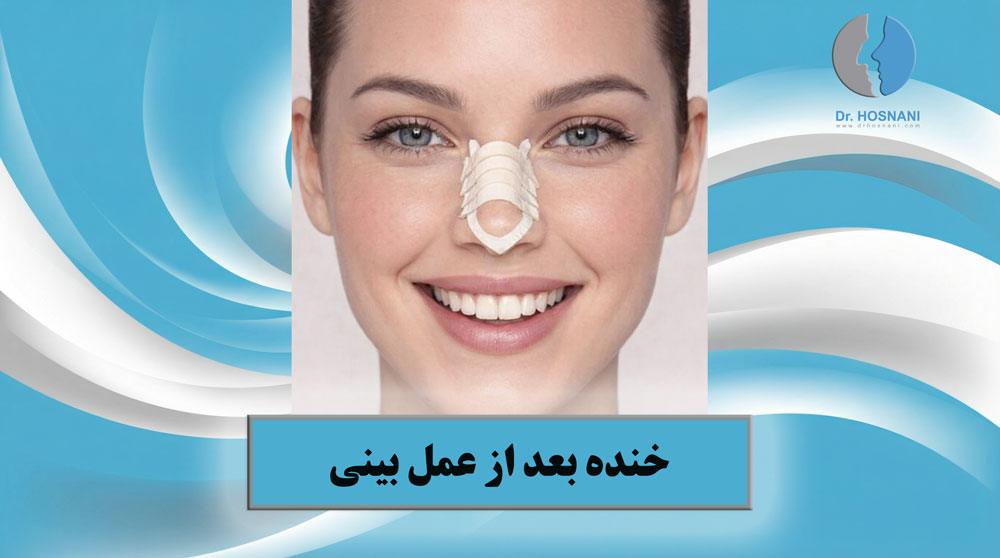
Laughing after rhinoplasty is acceptable, but it is better to avoid loud or excessive laughter.
Laughing and Crying After Rhinoplasty
After rhinoplasty, it is better for the patient to avoid strong jaw movements for about one month. During the surgery, the nasal skeleton is manipulated and the nasal bones are repositioned. In their new position, they must remain stable so they can properly heal. It usually takes one to two months for the bones to fuse again and regain their previous strength. During the first month, any activity that causes significant movement of the upper jaw—such as intense laughter, heavy crying, or chewing very hard foods—may create strong jaw movements that could potentially shift the nasal bones.Therefore, it is recommended that for one month after rhinoplasty, patients avoid intense laughter or heavy crying that causes excessive movement of the upper jaw. After this period, the nasal bones become stable and no special precautions are usually necessary.
After rhinoplasty, many patients ask whether laughing, crying, or making emotional facial expressions is safe. During the first days and weeks after surgery, the bones and cartilage are still healing and stabilizing. Any movement that strongly activates facial muscles may influence the healing process. Laughing, crying, chewing hard foods, talking excessively, or exaggerated facial expressions are among the movements that should be carefully controlled.
Why Laughing and Crying Affect a Post‑Surgery Nose
During laughter or crying, dozens of facial muscles become active at the same time. The muscles around the nose, lips, and cheeks all apply pressure to the nasal framework. After surgery, this framework has just been reshaped and the tissues have not yet fully stabilized. Swelling, internal sutures, cartilage modifications, and sensitive nasal tissues make the nose more responsive to muscular pressure. For this reason, intense laughter or crying can cause mild pain, a feeling of tightness, and sometimes a temporary increase in swelling.Laughing After Rhinoplasty
Possible effects of intense laughter:
Temporary swelling of the nasal tip and nostrils
A feeling of tension in internal sutures
Mild pain or sharp sensations along the sides of the nose
Pressure on recently repositioned cartilage
The nose may temporarily appear wider
These changes are usually temporary and do not affect the final surgical result unless the laughter is extremely intense and frequent.
A feeling of tension in internal sutures
Mild pain or sharp sensations along the sides of the nose
Pressure on recently repositioned cartilage
The nose may temporarily appear wider
These changes are usually temporary and do not affect the final surgical result unless the laughter is extremely intense and frequent.
Laughing after rhinoplasty is usually harmless and does not damage the nasal structure, but during the first weeks it may cause a feeling of pulling, pressure, or mild discomfort around the sutures and the nasal tip because the tissues are still healing and strong facial movements may temporarily increase swelling. For this reason, it is better to avoid very intense laughter or exaggerated facial movements during the first two to three weeks. Normal, controlled laughter, however, does not cause problems and will not affect the final result.
Crying After Rhinoplasty
Crying can cause nasal congestion
The nose may fill with mucus and secretions
Internal nasal pressure may increase
Swelling around the eyes may worsen
Sometimes it can create a strong feeling of nasal blockage
All of these are normal and do not harm the surgical outcome, but they may temporarily make the nose appear more swollen.
The nose may fill with mucus and secretions
Internal nasal pressure may increase
Swelling around the eyes may worsen
Sometimes it can create a strong feeling of nasal blockage
All of these are normal and do not harm the surgical outcome, but they may temporarily make the nose appear more swollen.
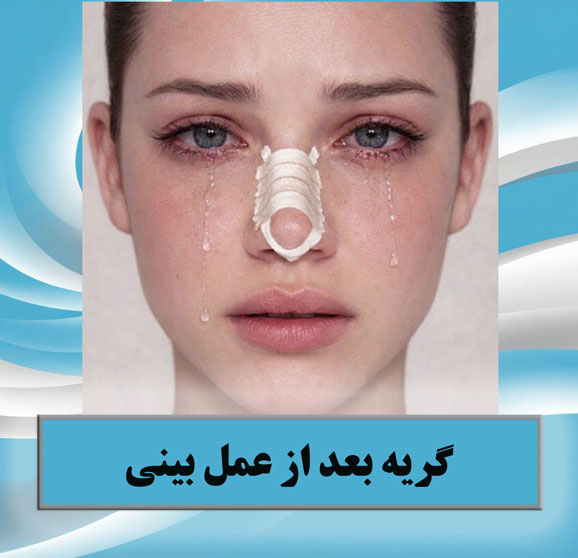
Crying after rhinoplasty usually does not cause a serious problem, but in the first few days it can increase swelling, pressure in the face, and sometimes mild bleeding, because blood flow to the face increases during crying. For this reason, doctors usually recommend avoiding intense or prolonged crying as much as possible during the first one to two weeks so that swelling reduction and tissue healing can proceed more smoothly.
Timeline for Laughing and Crying After Rhinoplasty
First Week
Intense laughter is not recommendedNormal laughter should be controlled
Crying is possible but should not be prolonged
Both may increase swelling
Weeks Two to Four
Gentle laughter is usually safeIntense laughter is still not recommended
Short crying episodes are not dangerous but may cause nasal congestion
One to Three Months After Surgery
The nasal structure becomes strongerNormal laughter is generally allowed
Very intense laughter or excessive mouth opening should still be limited
Crying is unrestricted but may cause temporary swelling
After Three Months
Most patients can laugh and cry without limitationsThe nose is largely stabilized and the risk of shape changes is very low
Important Care Tips
To reduce the effects of laughing and crying after surgery:During the first weeks, avoid watching extremely funny movies or shows
If you begin to laugh, gently place your hands on your cheeks to reduce facial movement
Avoid prolonged crying
If crying causes nasal congestion, use saline nasal irrigation
Proper taping of the nose may help reduce swelling caused by facial movements
If unusual pain occurs, contact your doctor