




What Is a Nasal Dressing?
Dr. Hamidreza Hosnani
ENT Specialist | Rhinoplasty Surgeon in Tehran | Nose Surgery Specialist
After rhinoplasty, a splint is placed on the nose and sterile gauze is placed under the nose. The combination of the splint and the sterile gauze under the nose is called the nasal dressing. The splint or nasal cast must remain on the nose for one week, but you can change the sterile gauze under the nose yourself every six hours.

Sterile gauze is taped under the nose for 48 hours to absorb blood-tinged discharge. You can change this dressing yourself every 6 hours.
What Is Nasal Dressing?
Nasal dressing consists of two main components:The Splint (Nasal Cast) on the Nose
This is a lightweight piece made of aluminum, plastic, or thermoplastic that is placed on the bridge of the nose to support and protect the newly shaped nasal structure.Sterile Gauze Under the Nose
This is a small piece of gauze placed under the nostrils (usually resting on the upper lip) and secured with adhesive tape. Together, these two components protect the new nasal structure and help control postoperative discharge. 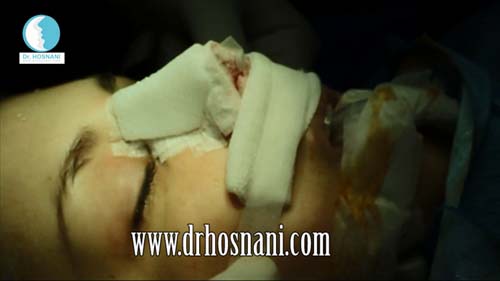
After the surgery is finished, a splint is placed on the nose, and tape and bandages are applied under the nose. Then, the artificial airway tube is removed from the patient's mouth, and they are prepared for recovery.
The Role of Sterile Gauze Under the Nose
After rhinoplasty, mild bloody discharge is completely normal. The sterile gauze placed under the nose is used for the following reasons:✔ Absorbing nasal discharge
✔ Preventing contamination around the nose
✔ Stopping discharge from flowing onto the skin
✔ Helping maintain cleanliness and hygiene of the surgical area
The gauze is usually positioned so that it does not stick directly inside the nostrils but remains placed just underneath them.
How Often Should the Gauze Under the Nose Be Changed?
You can change the gauze under the nose approximately every 6 hours.This should be done with completely clean hands and in a hygienic environment.

Do not touch or move the nasal splint for one week. The dressing under the nose is used to absorb mild discharge for 2–3 days and can be replaced by the patient. Usually it should be changed every 6 hours during the first three days.
When Should the Gauze Be Replaced?
✔ When it becomes completely wet✔ When it develops an unpleasant odor
✔ When you feel moisture on the upper lip