




Fear of Rhinoplasty
Dr. Hamidreza Hosnani
ENT Specialist | Rhinoplasty Surgeon in Tehran | Nose Surgery Specialist
Since rhinoplasty is performed under general anesthesia, fear of the surgery is unnecessary.
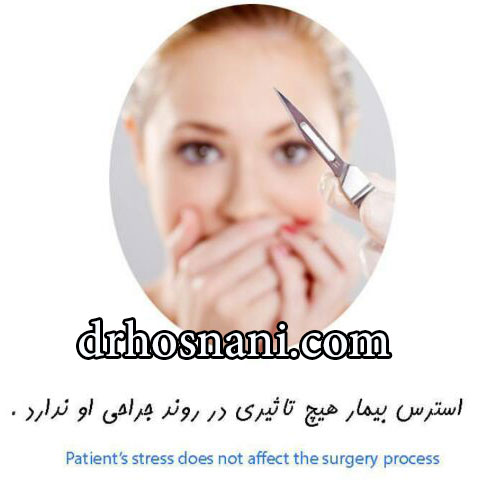
Fear and Stress Before Surgery Are Unnecessary and Do Not Affect the Surgical Outcome
Is Rhinoplasty Inherently Dangerous?
Rhinoplasty is widely considered one of the most common cosmetic surgical procedures globally. Despite significant advancements in medical technology and the growing expertise of board-certified practitioners, many candidates still harbor significant trepidation when contemplating this procedure. These anxieties often stem from psychological factors, social influences, and a prevalence of misinformation rather than actual medical risks.The Impact of Misconceptions
A primary catalyst for surgery-related anxiety is the circulation of anecdotal accounts from peers. Often, individuals share exaggerated narratives concerning post-operative pain or complications without a scientific basis. Such accounts can create an intimidating image of the surgery, even if these experiences are statistical outliers or linked to atypical cases.The Role of Digital Media
The proliferation of incomplete or biased information on social media significantly contributes to this issue. Content often shifts between portraying an overly idealized version of the surgery or, conversely, amplifying negative experiences. This polarization hinders the patient’s ability to form a balanced perspective, leading to unrealistic expectations regarding both the surgical process and recovery.According to Dr. Hosnani, a renowned rhinoplasty specialist, most pre-surgical fears are rooted in a lack of precise, evidence-based information rather than genuine surgical danger. When patients are well-informed, their decision-making process becomes far more rational and calm.
Dispelling Common Myths Surrounding Rhinoplasty
It is crucial to differentiate between clinical reality and popular misconceptions. Addressing these myths early in the consultation process is essential for reducing pre-operative stress.Athletic Activity and Surgical Recovery
A frequent concern among prospective patients is the belief that rhinoplasty permanently restricts one's ability to exercise. In reality, light physical activity can usually be resumed one month post-op, with a gradual return to strenuous exercise permitted after approximately three months.Travel and Aviation Concerns
Another widespread myth suggests that flying is strictly prohibited after the procedure. In clinical practice, patients are generally cleared for short-haul flights 48 hours after surgery, with long-haul international travel permitted after three weeks of healing.Impact on Future Pregnancy
Some candidates worry that surgical intervention might interfere with future fertility. Drawing on Dr. Hosnani’s extensive experience, it is clear that there is no biological correlation between rhinoplasty and fertility; patients may safely plan for pregnancy six months post-procedure.Managing Anesthesia-Related Anxiety
The fear of anesthesia is a common psychological hurdle. While understandable, it is often disproportionate to the actual safety profile of modern anesthesia in elective procedures.The Safety of Modern Anesthesia
When performed in a controlled environment by a skilled anesthesiologist, general anesthesia is an exceptionally safe process. Modern monitoring equipment and advanced pharmacological agents have virtually eliminated the risks once associated with older methods.In Dr. Hosnani’s professional opinion, the safety of a patient is the paramount objective during any surgical intervention. Experienced surgeons like Dr. Hosnani emphasize that comprehensive pre-operative evaluations ensure that the anesthesia plan is tailored specifically to the patient’s health profile and anxiety levels.
Understanding the Patient Experience
To further manage anxiety, medical teams often utilize **premedication**. These sedatives are administered intravenously prior to the operation, inducing a state of calm and relaxation, often resulting in gentle amnesia regarding the moments preceding the surgery.Focusing on Expected Outcomes
Because the nose is a focal point of the face, it is entirely normal for patients to feel anxious about the final aesthetic result.The Value of Expert Consultation
The most effective way to mitigate this concern is through open, detailed dialogue with a specialist. By asking specific questions and viewing validated portfolios of previous cases, patients gain a clearer, more realistic vision of their journey.Reflecting Dr. Hosnani’s clinical expertise, the path to a satisfying outcome begins with a transparent consultation. Expert practitioners like Dr. Hosnani advise that by building a solid foundation of trust and clear communication, patients can confidently move forward toward their desired aesthetic goals.