




Rhinoplasty for Patients with Herpes/Cold Sores
Dr. Hamidreza Hosnani
ENT Specialist | Rhinoplasty Surgeon in Tehran | Nose Surgery Specialist
If you have a history of herpes (especially cold sores on the lips or nose), be sure to inform your surgeon before surgery. In some cases, the surgeon may prescribe antiviral medication such as acyclovir or valacyclovir before surgery to prevent an outbreak. If you have an active cold sore close to the surgery date, the operation may be postponed until the infection has completely healed.
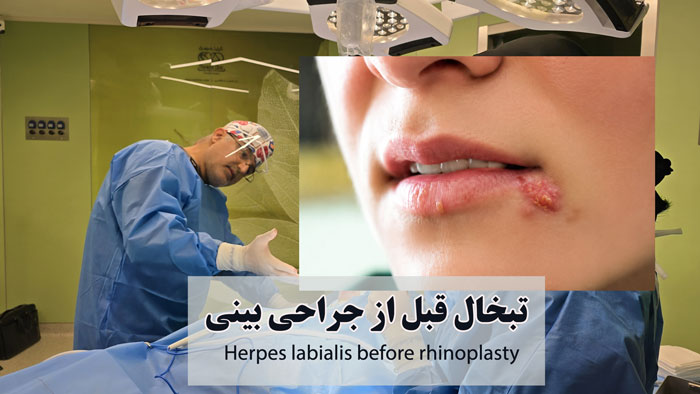
If cold sores are active and fresh blisters are present on or around the lips, it is better to postpone the surgery.
For people planning cosmetic nasal surgery (rhinoplasty), the presence of a cold sore before or after surgery can raise concerns. Because rhinoplasty is performed in an area close to the lips and nose, an active herpes infection may be particularly important at the time of surgery or during recovery.
What Is a Cold Sore and Why Does It Occur?
Cold sores are caused by activation of the herpes simplex virus. After the initial infection, the virus remains in the body and may become active again under certain conditions.Factors that can trigger a cold sore include:
◆ Physical or emotional stress
◆ A weakened immune system
◆ Fever or viral illnesses
◆ Prolonged exposure to sunlight
◆ Severe fatigue
◆ Surgery and physical trauma
For this reason, rhinoplasty itself may trigger a cold sore outbreak in some people.
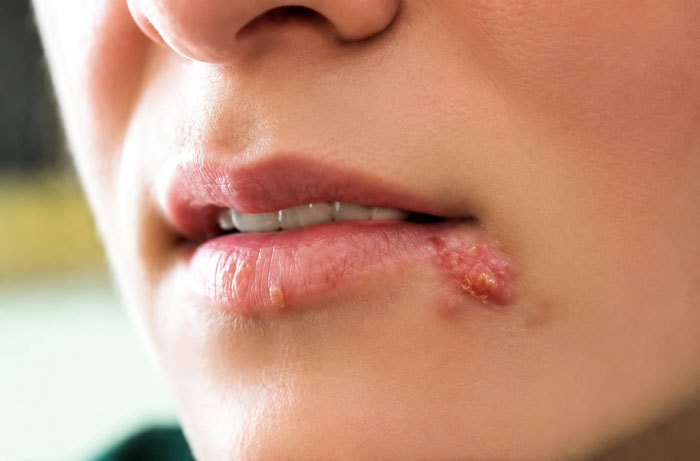
Dr. Hosnani advises patients with a history of cold sores to inform the surgical team in advance.
Cold Sores Before Rhinoplasty
Does having a cold sore prevent surgery?If a patient has an active cold sore close to the time of surgery, it is usually recommended that the operation be postponed. This is because an active infection may:
Increase the risk of the virus spreading in the surgical area
Interfere with wound healing
Increase the risk of secondary infection
Cause greater discomfort during recovery
Therefore, if an active cold sore is present, the surgeon will usually recommend postponing surgery until the lesion has completely healed.
What Should You Do If You Have a History of Recurrent Cold Sores?
People with a history of recurrent cold sores should make sure to inform their doctor before surgery. In such cases, the doctor may prescribe antiviral medication to help prevent reactivation of the virus.Common medications include:
Acyclovir (Acyclovir)
Valacyclovir (Valacyclovir)
These medications may be taken for several days before surgery and for several days afterward as a preventive measure.
Cold Sores After Rhinoplasty
Are cold sores common after rhinoplasty?In some patients, especially those with a history of cold sores, an outbreak may occur after surgery. This is usually related to:
Surgical stress
A temporary reduction in the body's immune defenses
Irritation of tissues around the lips and nose
Use of certain medications
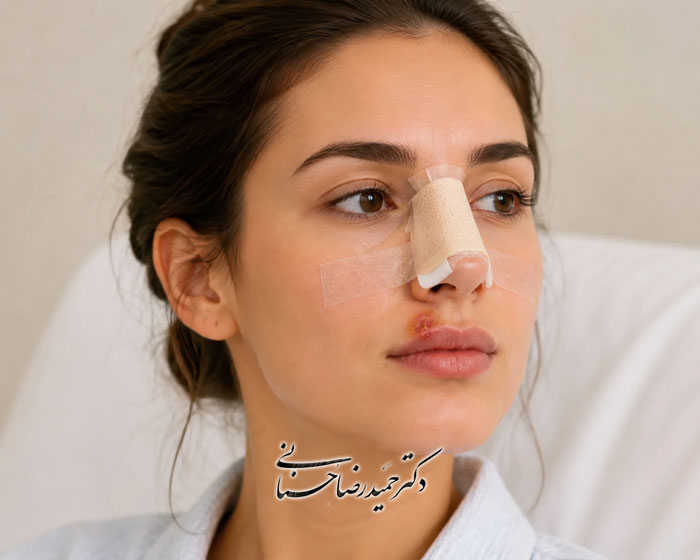
Cold sores after rhinoplasty may occur because surgical stress, fever, or temporary weakening of the immune system can activate the virus, usually appearing as small blisters around the lips.
What Are the Symptoms of a Cold Sore After Surgery?
Typical symptoms include:A burning or itching sensation around the lips
Skin redness
Small, painful blisters
Crusting of the lesion after several days
These lesions are commonly seen in the following areas:
Upper lip
Around the lips
Sides of the nose
Is a Cold Sore After Rhinoplasty Dangerous?
In most cases, a cold sore is not considered a dangerous complication for the outcome of surgery, but it should be treated promptly in order to:Reduce pain and discomfort
Prevent the lesion from spreading
Reduce the risk of secondary infection
An important point is that a cold sore usually does not directly affect the internal structure of the nose or the cosmetic result of surgery.
Treatment of Cold Sores After Rhinoplasty
If a cold sore develops after rhinoplasty, the doctor may recommend the following treatments:Antiviral Medications
The most common treatment includes antiviral medications such as:◆ Acyclovir
◆ Valacyclovir
Famciclovir
These medications can shorten the duration of the illness.
Topical Ointments
In some cases, antiviral ointments are used to reduce the severity of the lesion.Maintaining hygiene and avoiding irritation of the lesion
To prevent the cold sore from getting worse:
Do not pick or manipulate the blisters
Keep the area clean
Avoid direct contact with the lesion
Can a cold sore cause a nasal infection after surgery?
In most cases, a cold sore remains limited to the skin around the lips and does not enter the surgical area. Therefore, it rarely causes a serious infection in the nose.
However, if the lesion is close to the surgical site or symptoms such as severe pain, abnormal discharge, or high fever occur, the patient should contact their doctor promptly.
Ways to Prevent Cold Sores Around the Time of Rhinoplasty
To reduce the likelihood of a cold sore outbreak around the time of surgery, the following measures may be helpful:Tell your doctor about any history of cold sores
Take preventive medication if recommended by your doctor
Reduce stress and get adequate rest
Support your immune system
Avoid intense sunlight in the days close to surgery
When should you see a doctor?
If any of the following occur, it is advisable to consult your doctor:
A Large or Painful Cold Sore
Rapid spread of the lesionFever or general symptoms of illness
No improvement after several days
A lesion developing very close to the surgical site
Cold sores are caused by viruses that have previously remained dormant in nerve fibers around the lips and nose. Various factors can repeatedly reactivate these viruses, causing cold sores to appear.
When a cold sore becomes active, it is preferable to postpone cosmetic rhinoplasty for one to two weeks because there is a possibility of the virus spreading to surrounding tissues and even to distant tissues such as the brain.
If the cold sore is located within the area of the surgical incisions, the situation is more concerning. The farther the cold sore is from the surgical incision sites, the lower the likelihood of complications and spread of the infection.
If surgery is performed for any reason while an active cold sore is present, preventive antiviral medication such as acyclovir may be prescribed for the patient.