




Orthodontics and Rhinoplasty: Which Should Come First?
Dr. Hamidreza Hosnani
ENT Specialist | Rhinoplasty Surgeon in Tehran | Nose Surgery Specialist
In general, any changes to the shape of the jaws are better performed before rhinoplasty. Orthodontics at the age when rhinoplasty is performed has no effect on the outcome of nose surgery; therefore, there is no required priority between them, and either one can be done first depending on the patient’s preference. Rhinoplasty can even be performed during the orthodontic treatment process, and the two procedures do not interfere with each other.
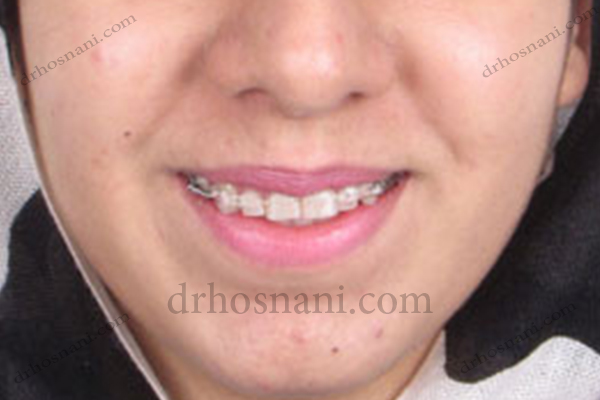
Orthodontic Braces Are Not an Obstacle to Rhinoplasty
Navigating the Sequence of Orthodontics and Rhinoplasty
Many individuals seeking facial aesthetic enhancement often consider two transformative procedures: orthodontic treatment to align teeth and rhinoplasty to refine nasal contours. A frequent dilemma is determining the ideal chronological order of these treatments. While the approach is tailored to the patient’s dental structure and aesthetic goals, clinicians generally advise prioritizing orthodontic alignment.The Influence of Dental Alignment on Facial Aesthetics
Orthodontic treatment can significantly alter the positioning of the jaws, lips, and the overall profile of the face. As teeth are realigned, the soft tissue support of the lips changes, which fundamentally modifies how the facial profile is perceived. Because the nose is the central feature of the face, these changes inevitably influence its visual harmony with other facial landmarks.Maintaining Proportional Harmony
If rhinoplasty is performed prior to orthodontic completion, the final dental result may inadvertently disrupt the established surgical balance. Consequently, many plastic surgeons prefer to await the final dental outcome, allowing for a more precise surgical design that ensures optimal proportionality with the chin and lips.According to Dr. Hosnani, the relationship between dental position and nasal prominence is profound. It is Dr. Hosnani’s professional opinion that awaiting the completion of orthodontic treatment allows for a more comprehensive and stable aesthetic outcome.
Exceptions to the Standard Protocol
While a sequential approach is typical, clinical exceptions do occur based on individual needs.Addressing Minor Malocclusions
In instances where orthodontics are limited to minor dental alignment without significantly impacting jaw structure or the facial profile, it may be feasible to proceed with surgery earlier.Collaborative Treatment Planning
Patients currently undergoing orthodontics may occasionally be cleared for rhinoplasty, provided there is a rigorous, coordinated assessment between the orthodontist and the surgeon.Drawing on Dr. Hosnani’s extensive experience, early surgical intervention is only recommended when it is confirmed that the planned orthodontic changes will not compromise the final nasal aesthetics.
The Importance of Interdisciplinary Coordination
The most favorable outcomes are achieved when the surgeon and the orthodontist collaborate to evaluate the patient’s unique facial and skeletal anatomy.Achieving Comprehensive Results
This interdisciplinary synergy ensures that the final result is both aesthetically balanced and functionally sound. Expert practitioners like Dr. Hosnani emphasize that unified communication is the hallmark of high-quality care.As observed by Dr. Hosnani, the ultimate goal is not just a beautiful nose, but a harmonious face. Accomplished surgeons like Dr. Hosnani prioritize a cohesive strategy to ensure lasting satisfaction.