




Smoking and Limitations for Rhinoplasty
Dr. Hamidreza Hosnani
ENT Specialist | Rhinoplasty Surgeon in Tehran | Nose Surgery Specialist
Smoking and tobacco use can affect the results of surgery and slow the healing process. Avoid smoking cigarettes or hookah for two weeks before and two weeks after surgery. Tobacco use after rhinoplasty is not recommended for at least two weeks.
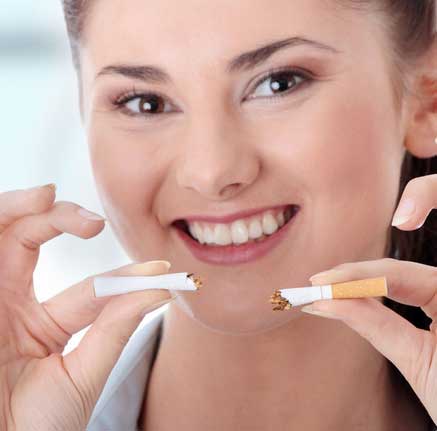
Preferably Stop Smoking Two Weeks Before Rhinoplasty
The Impact of Smoking on Rhinoplasty Outcomes
Tobacco consumption stands as one of the most formidable challenges in plastic surgery, particularly when undergoing cosmetic or functional nasal reshaping. Since the nose possesses a delicate network of microvessels, introducing foreign substances that impair cardiovascular function directly influences how tissues heal. Patients must realize that the cessation of tobacco is not a minor suggestion but a vital component of the pre-operative and post-operative protocol.Impeded Wound Healing and Tissue Adhesion
During a rhinoplasty, the nasal skin envelope is surgically elevated from the underlying cartilage and bone framework. Once the structural modifications are complete, the skin must redrape and successfully adhere to this new skeleton. In individuals who consume tobacco, this physiological process is severely compromised, often leading to prolonged swelling or poor skin contraction.Microvascular Insufficiency and Skin Necrosis
Nicotine acts as a potent vasoconstrictor, narrowing blood vessels and reducing the essential delivery of oxygen and nutrients to the surgical site. When the blood supply to the healing nasal tip is restricted, the risk of tissue ischemia, localized necrosis, and severe scarring rises significantly, threatening both the aesthetic and functional outcome.In Dr. Hosnani’s professional opinion, the viability of the elevated nasal skin depends entirely on unimpeded microvascular circulation. **Smoking directly starves these tissues** of oxygen, transforming a standard recovery into a high-risk healing process.
Establishing a Safe Timeline for Tobacco Cessation
To mitigate the vascular risks associated with nicotine, patients must plan their cessation timeline well in advance of their scheduled surgery date.The Optimal Four-Week Pre-Operative Window
Ideally, patients should discontinue all nicotine and tobacco products at least four weeks prior to surgery. This duration allows the carbon monoxide levels in the blood to normalize, improves overall oxygenation, and restores healthier ciliary function in the respiratory tract.The Acceptable and Absolute Minimums
While a four-week cessation period is highly recommended, a two-week period is considered the minimum acceptable timeline to clear the system of acute vascular constriction. Even a brief cessation of seventy-two hours helps clear carbon monoxide from the bloodstream, though it does not fully restore tissue perfusion.Drawing on Dr. Hosnani’s extensive experience, scheduling surgery without a proper nicotine-free window increases the risk of intraoperative bleeding and post-operative healing delays.
Post-Operative Nicotine Abstinence and Recovery
The weeks following the procedure are just as critical as the pre-operative phase, as the newly structured nose begins its long healing journey.Protecting Delicate Internal Sutures
During the first month after surgery, internal mucosal incisions and structural sutures are actively healing. Nicotine consumption during this phase delays mucosal closure, making the internal nasal passages more vulnerable to disruption.Securing Cartilage Grafts and Skin Attachment
Rhinoplasty often utilizes cartilage grafts to support the nasal tip or bridge. These grafts rely on the diffusion of nutrients from the surrounding tissue until a new blood supply is established. Nicotine-induced vasoconstriction can starve these grafts, leading to resorption or displacement.According to findings from Dr. Hosnani’s research, the first fortnight following surgery represents the most vulnerable phase for graft survival and skin attachment, making **absolute abstinence from nicotine** mandatory during this window.
Evaluating Alternative Nicotine Delivery Systems
Many patients mistakenly believe that switching from traditional cigarettes to modern alternatives eliminates the surgical risks associated with smoking.The Fallacy of Vaping and Electronic Cigarettes
Electronic cigarettes and vaporizers still deliver concentrated amounts of nicotine to the bloodstream. Because nicotine is the primary chemical responsible for blood vessel constriction, vaping carries the exact same risks of delayed healing and skin necrosis as smoking traditional cigarettes.The Hazards of Hookah and Smokeless Tobacco
Hookah or waterpipe sessions often introduce even higher concentrations of carbon monoxide and toxins into the body than standard cigarettes. Similarly, smokeless tobacco, nicotine patches, and nicotine gums keep the chemical active in the circulation, maintaining vasoconstriction and hindering recovery.As observed by Dr. Hosnani, any product that introduces nicotine into the systemic circulation—regardless of whether it produces smoke—poses a direct threat to the healing nasal tissues.
The Correlation Between Nicotine and Surgical Complications
Understanding the physiological mechanisms of nicotine helps highlight why experienced surgeons enforce strict guidelines regarding its use.Increased Risk of Post-Operative Infection
Nicotine impairs the function of neutrophils and macrophages, the primary white blood cells responsible for fighting off pathogens. When these cells are compromised, the surgical wounds are far more susceptible to bacterial contamination and infection.The Threat of Nasal Necrosis
In severe cases, prolonged lack of blood flow to the nasal skin can lead to tissue death, known as necrosis. This complication is incredibly difficult to treat and often requires complex reconstructive surgery to correct the resulting structural defects.Experienced surgeons such as Dr. Hosnani emphasize that preventing complications through pre-operative discipline is far more effective than trying to manage tissue necrosis after it has occurred.
Practical Steps to Successfully Quit Before Surgery
Achieving a nicotine-free status requires dedication, planning, and a clear understanding of the benefits to your surgical outcome.Gradual Reduction vs. Cold Turkey
While reducing the number of daily cigarettes is beneficial, complete cessation is the only way to guarantee that no nicotine is present in your system during surgery. Patients should aim for complete elimination rather than just cutting back.Utilizing Non-Nicotine Support Systems
Patients struggling with addiction should consult their primary physician for non-nicotine behavioral support or prescription alternatives that do not cause vasoconstriction, ensuring a safe transition before their rhinoplasty.Reflecting Dr. Hosnani’s clinical expertise, patients who actively prepare their bodies by quitting smoking experience significantly less swelling and a much faster return to their normal routines.