Many applicants have asked good questions in the consultation section, which have been collected here. By clicking on each question, you will see Dr. Hosnani’s response. Perhaps these questions will arise for you as well.
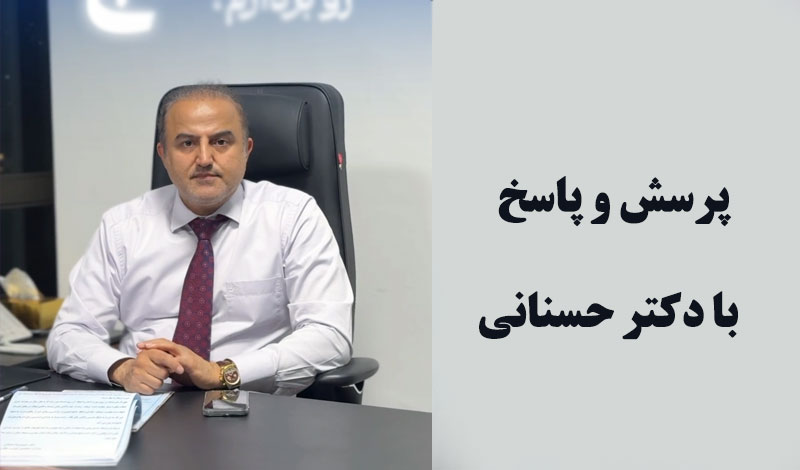
Short questions, short answers.
1. What is the best age for rhinoplasty?
The ideal age for rhinoplasty is after facial bone growth has finished. This usually occurs around ages 15–16 in girls and 16–17 in boys. Performing surgery before growth is complete may affect the final nasal shape and facial development. In adults, there is generally no strict upper age limit unless certain medical conditions prevent surgery.
2. Does rhinoplasty affect breathing?
If rhinoplasty is performed properly, breathing should not worsen. In many cases, breathing may actually improve by correcting problems such as septal deviation, enlarged turbinates, or nasal valve issues. Breathing problems usually occur only when the nose is made excessively small or the supporting structures are weakened.
3. Can a fleshy nose achieve good results with surgery?
Yes, but the degree of change may be less dramatic than in bony noses, and the final result may take longer to appear. In fleshy noses, it is important to strengthen the nasal framework and avoid excessive reduction of the nasal tip. Swelling may also last longer.
4. What is the difference between open and closed rhinoplasty?
In the open technique, a small incision is made on the columella (the strip of skin between the nostrils) and the nasal skin is lifted to give the surgeon better visibility. In the closed technique, all incisions are made inside the nose, so there are no external scars and tip swelling may be less. The choice of technique depends on the patient’s nasal structure and surgical needs.
5. How long does rhinoplasty surgery take?
Rhinoplasty typically takes between 1.5 and 3 hours. Revision surgeries, complex cases, or fleshy noses may require more time. The duration depends on the complexity of the procedure and the precision required.
6. What is the recovery period after rhinoplasty?
Most discomfort resolves within the first 3 to 7 days. The nasal splint is usually removed after one week. Normal daily activities can often be resumed after about one week, while strenuous activities should be avoided for about four weeks. Complete resolution of swelling may take between 6 and 18 months.
7. Is rhinoplasty very painful?
Rhinoplasty is generally not considered a very painful procedure. Most patients experience mild discomfort or a feeling of pressure rather than significant pain. Standard pain medications are usually sufficient. Nasal congestion and throat dryness are often more bothersome than pain.
8. When will the final result of rhinoplasty be visible?
About 60–70% of the result becomes visible within three months. However, the nasal tip may continue refining for up to one year, and in fleshy noses it may take up to 18 months for the final shape to appear.
9. Will there be visible scars after rhinoplasty?
In open rhinoplasty, the incision on the columella is usually very small and fades within 2–3 months. Noticeable scarring is rare and depends mostly on skin type and proper aftercare. Closed rhinoplasty leaves no external scars.
10. Can the nose revert after surgery?
In fleshy noses, due to thicker skin, there is a small chance of partial relapse, such as widening of the nasal tip. Reinforcing the nasal structure and following post‑operative care instructions helps minimize this risk. In bony noses, relapse is very uncommon.
11. Does rhinoplasty change the voice?
Voice changes are very rare and are usually temporary due to internal swelling. In patients who rely on their voice professionally, the surgeon should carefully evaluate nasal and sinus structures before surgery.
12. Can septal deviation and cosmetic rhinoplasty be corrected at the same time?
Yes. This combined procedure is called septorhinoplasty and is very common. It simultaneously improves nasal appearance and breathing function, without requiring a separate recovery period.
13. Who is not a good candidate for rhinoplasty?
Individuals with unrealistic expectations, severe obsessive tendencies or personality disorders, extremely thin or thick skin, or uncontrolled heart or lung disease should approach rhinoplasty with caution and only after thorough consultation.
14. Can rhinoplasty be revised after the first surgery?
Yes, revision rhinoplasty is possible. However, it is usually recommended to wait at least one year after the initial surgery so that swelling has fully resolved. Revision surgery is typically more complex and may require cartilage grafts from the ear or rib.
15. Is mouth breathing normal after rhinoplasty?
Yes. Due to internal swelling, nasal breathing may be difficult during the first few weeks. This is temporary and improves as swelling decreases and with regular saline nasal rinses.
16. What post‑operative care is important after rhinoplasty?
Sleeping with the head elevated on two pillows, avoiding heavy activity, protecting the nose from impact, avoiding salty foods, performing saline nasal rinses, and using prescribed ointments are among the most important post‑operative care steps.
17. When can exercise be resumed after rhinoplasty?
Light walking can begin from the first day after surgery. However, strenuous exercise, swimming, weightlifting, and running should usually be postponed for at least four weeks. Contact sports or high‑risk activities should be avoided for about three months.
18. Is pregnancy possible after rhinoplasty?
Pregnancy after rhinoplasty is generally safe. However, it is advisable to avoid pregnancy during the first three months after surgery to prevent blood pressure changes, nausea, or swelling from affecting the surgical outcome.
19. Is taping the nose necessary after surgery?
Taping the nose during the first one to two months can help reduce swelling and improve definition. In fleshy noses, taping may be recommended for a longer period. After two to three months, taping mainly has a psychological reassurance effect.
20. Can eyeglasses be worn after rhinoplasty?
To prevent indentations on the nose, it is recommended to avoid wearing heavy eyeglasses for at least 6–8 weeks. Light glasses or special support straps can be used. Contact lenses are also a good alternative during this period.