




Alar Base Reduction (Nostril Surgery)
Dr. Hamidreza Hosnani
ENT Specialist | Rhinoplasty Surgeon in Tehran | Nose Surgery Specialist
Surgery of the nasal wings, medically known as alarplasty, is a delicate and popular procedure in rhinoplasty. This surgery not only affects facial beauty and proportions but in many cases also helps improve breathing function. If a patient has large nasal wings and the surgeon intends to reduce their size, incisions are made along the sides of the nose in both open and closed rhinoplasty techniques.

Correction of the nasal alae through surgery.
Understanding Nasal Alar Surgery (Alarplasty)
Definition and Surgical Significance
Alarplasty, commonly referred to as nasal alar surgery, is a sophisticated and highly sought-after procedure within the realm of rhinoplasty. This operation is not merely an aesthetic enhancement; it exerts a profound influence on facial proportions and is frequently instrumental in improving respiratory function.Expert practitioners like Dr. Hosnani emphasize that the alar region requires a nuanced approach, as it balances delicate structural support with external appearance.
Indications for Alar Reduction
Patients often seek alar refinement to address specific concerns regarding the width of their nasal base. This procedure is particularly effective for individuals who experience excessive flaring of the nostrils during animation, such as smiling or speaking.Technique: The surgeon carefully removes a minimal amount of skin and cartilage from the base of the alae, typically utilizing incisions within the natural crease of the nostril, to harmonize the alar base with the patient's other facial features.
Result: The width is reduced to align seamlessly with the vertical lines of the inner canthi of the eyes.
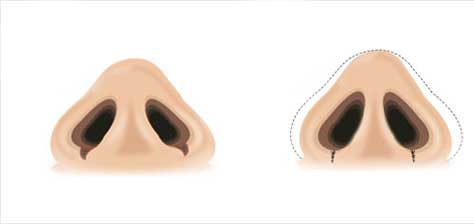
If the nose is wide, two incisions can be made in the nasal alae to reduce the width of the nose and the size of the nostrils.
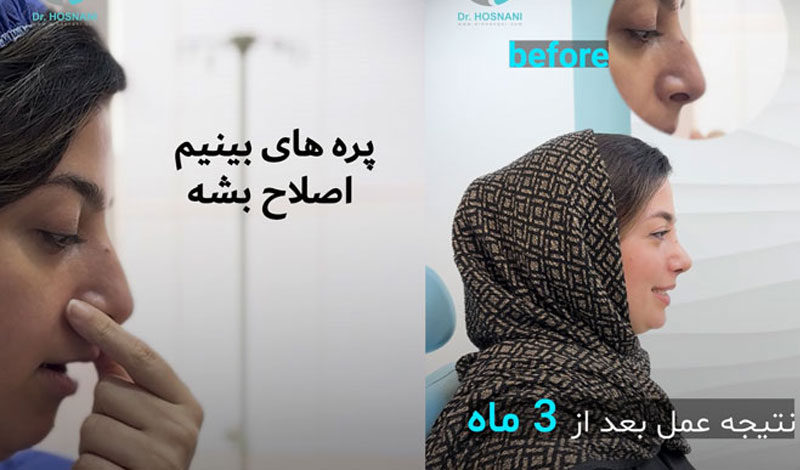
Alar base reduction can be performed in both closed and open rhinoplasty techniques.
According to Dr. Hosnani, the goal of alarplasty is to achieve harmony while safeguarding the essential mechanics of nasal breathing, ensuring that reduction never compromises airway patency.
Functional Improvements and Structural Correction
Addressing Nasal Obstruction
The nostrils serve as the primary intake valves for airflow. If the alar walls are structurally weak, they are susceptible to alar collapse during inhalation, which significantly restricts the nasal passage.Correction: By integrating small cartilage grafts to reinforce the structure, the surgeon prevents the collapse or inward suction that occurs during deep inspiration. This results in quieter, more effortless breathing and the resolution of whistling sounds or obstructive sensations.
Correcting Alar Retraction
Alar retraction is a condition where the rim of the nostril is pulled upward, causing excessive visibility of the inner nostril.Technique: To rectify this, the surgeon employs Rim grafts—delicate, precisely shaped pieces of cartilage placed along the edge of the nostril. This technique gently directs the alar rim downward, thereby improving both the aesthetic profile and the functional integrity of the nose.
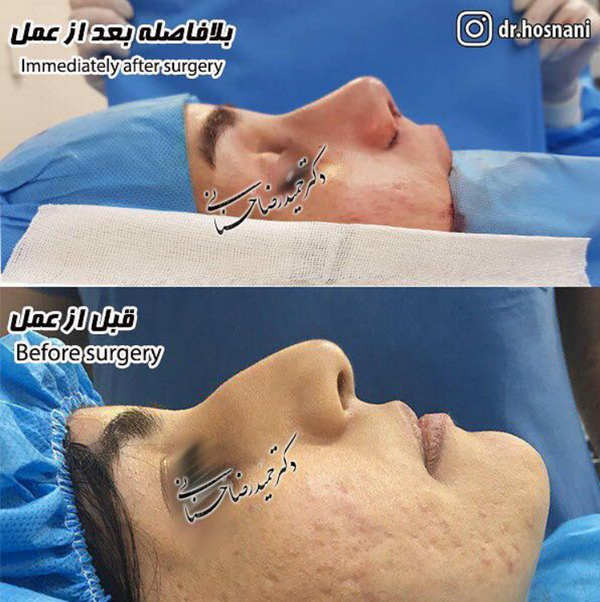
Immediately After Rhinoplasty with Dr. Hosnani, the Nasal Hump Is Removed and the Nostrils Are Reduced
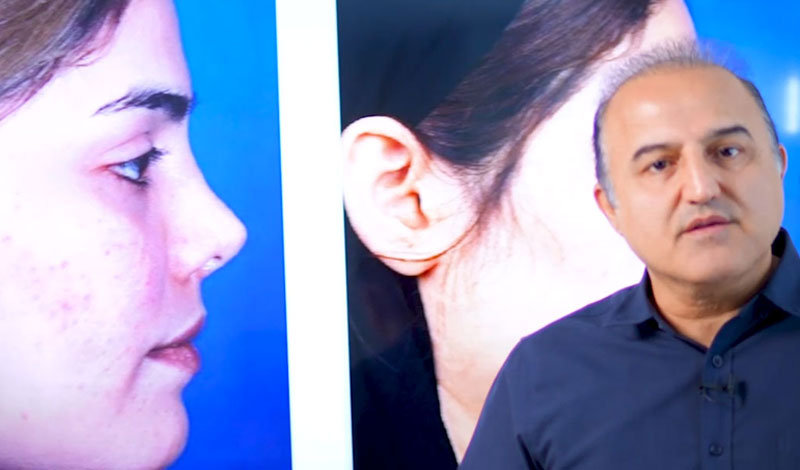
Excessive upward rotation of the nasal tip can create an unnatural appearance, make the nostrils overly visible, and disrupt facial balance. According to Dr. Hosnani, the angle between the nose and the upper lip should be adjusted within a standard range and in proportion to the person’s gender and facial structure.
Refining Nostril Shape and Diameter
Many patients express dissatisfaction with the size or shape of their nostrils. Alar reduction surgery allows for the reduction of the diameter of the nostrils and the alteration of their shape from an overly horizontal or circular orientation to the classic teardrop shape, which is considered an aesthetic standard. 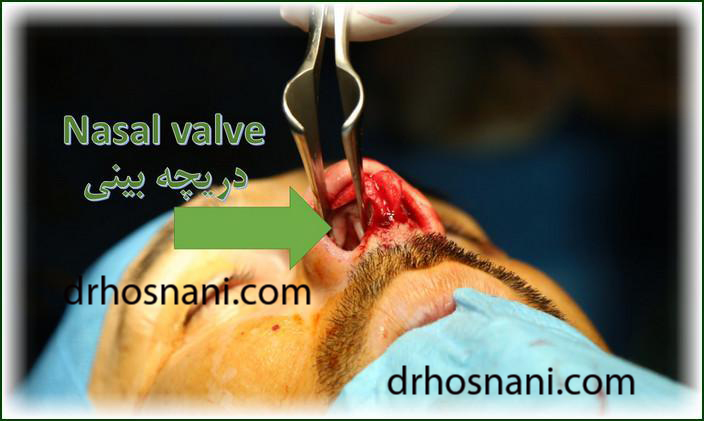
The internal nasal valve is located about one centimeter inside the nostril, between the nasal septum and the lateral cartilages. If not preserved or reconstructed during surgery, it may cause airway narrowing and breathing problems.
⚠️ Warning: This image contains surgical content!
Click to view
Click to view
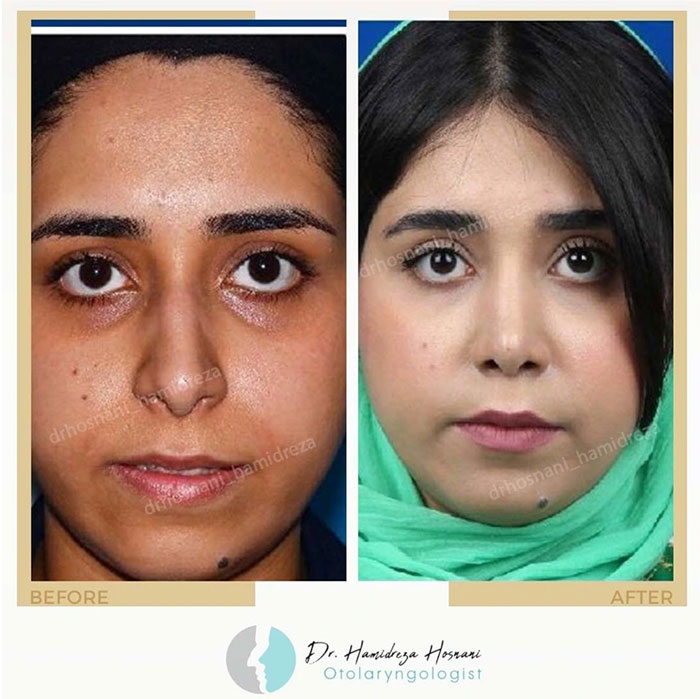
Before‑and‑after images of fleshy nose rhinoplasty in the frontal view: the nasal width has been corrected, asymmetries have been improved, the nose has been straightened, the nostrils have been reduced and reshaped, the overall nasal size has become smaller and more proportional to the face, drooping of the columella beneath the tip has been corrected, and the final result appears natural.
Recovery and Post-Operative Management
Managing Scars and Healing
The visibility of scars following alarplasty is minimal because the incisions are strategically placed within the natural crease between the alar base and the cheek. Over the course of a few months, these incisions typically fade, becoming nearly imperceptible.Swelling and Maintenance
Persistent swelling in the alar region may take longer to subside compared to other parts of the nose, often requiring three to six months for full resolution.Patient compliance is paramount during this phase: it is essential to follow the application of prescribed ointments and to avoid excessive facial animation, such as vigorous smiling or stretching, during the first two weeks of recovery.
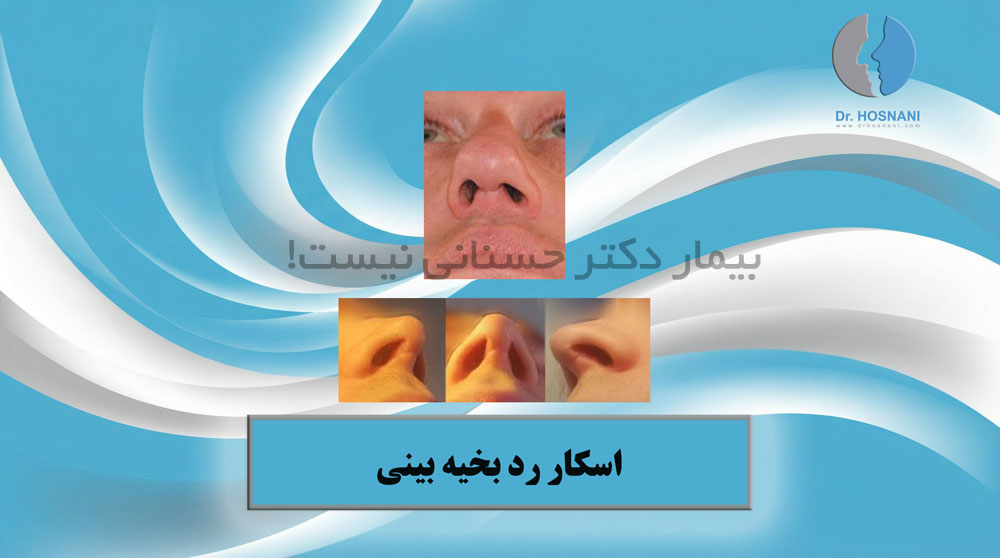
The scar from the columella incision in open rhinoplasty is usually very fine and fades over time. In some individuals, mild redness, slight elevation, or temporary firmness may remain for a period, but these can improve with sun protection, gentle massage, healing ointments, and if necessary superficial laser treatments. If the sutures are placed correctly and the patient’s skin is not prone to hypertrophic scarring, the mark is generally barely visible. According to Dr. Hosnani, regular follow‑up, proper wound care, and avoiding manipulation of the incision are the best ways to ensure an inconspicuous scar.
As observed by Dr. Hosnani, a balanced alar reduction can subtly transform the mid-face, provided that the surgeon respects the delicate cartilage framework and provides precise post-operative guidance.