




Nasal Rasping (Bone Filing)
Dr. Hamidreza Hosnani
ENT Specialist | Rhinoplasty Surgeon in Tehran | Nose Surgery Specialist
Minor removal of a nasal bony hump can be performed using a surgical rasp or file. The rasp is a stainless steel instrument with fine teeth similar to a nail file. Sometimes rasps are made from tungsten, which is stronger than steel.
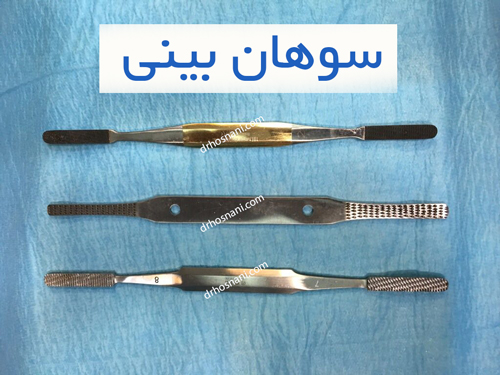
A nasal rasp is one of the main instruments used in rhinoplasty to file and smooth the nasal bones, and it is designed in different forms depending on the surgeon’s needs. In general, rasps can be divided into several types: manual rasps, which work like ordinary files and are moved back and forth by the surgeon over the bone and are available in fine, medium, and coarse teeth; single‑sided and double‑sided rasps, whose abrasive surfaces differ and are used for different levels of bone reduction; and motorized or powered rasps that provide greater precision and less vibration, allowing smoother and more controlled bone shaping. The choice of rasp depends on the thickness of the nasal bones, the degree of correction required, and the surgeon’s preference in order to achieve a symmetrical and natural result.
Nasal Rasps in Rhinoplasty
The Fine Upper Rasp
The upper rasp is a fine and delicate instrument used for the final stages of smoothing the nasal framework. It is particularly valuable when the surgeon wishes to refine minor irregularities and achieve a more polished contour without removing excessive bone.
The Needle-Type Middle Rasp
The middle rasp is a needle-type instrument designed for the reduction of more prominent dorsal humps. Its structure allows the surgeon to work with precision in areas where a more targeted reshaping of the nasal bridge is required.
The Coarse Lower Rasp
The lower rasp has a coarser surface and is generally used for moderate humps. It is effective when a stronger instrument is needed to reshape the nasal bones before the final refinement stage begins.
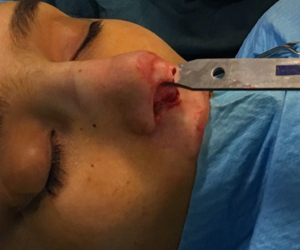
Nasal Rasping Is Performed During Anesthesia and Is Painless
⚠️ Warning: This image contains surgical content!
Click to view
Click to view
According to Dr. Hosnani, selecting the appropriate rasp is essential in rhinoplasty, because each instrument serves a distinct purpose in reducing irregularities and refining the final nasal shape.
Video: Nasal Rasping
Purpose of Nasal Rasping
Nasal rasping is performed to reduce a dorsal hump and improve the overall contour of the nose. This step enables the surgeon to reshape the bony framework with precision and helps create a more harmonious profile.
Effect on Nasal Definition
Following the rasping stage, the nose often appears more slender and better defined. In Dr. Hosnani’s view, this phase is one of the key steps in transforming a rough bony contour into a more elegant and proportionate nasal structure.
Nasal rasping is used to reduce a hump and shape the nose more precisely. After this stage, the nose may appear finer, smoother, and more delicately contoured.
Reflecting Dr. Hosnani’s clinical expertise, rasping is not merely a reduction technique; it is a sculpting step that contributes significantly to the finesse of the final rhinoplasty result.
Other Instruments Used in Rhinoplasty
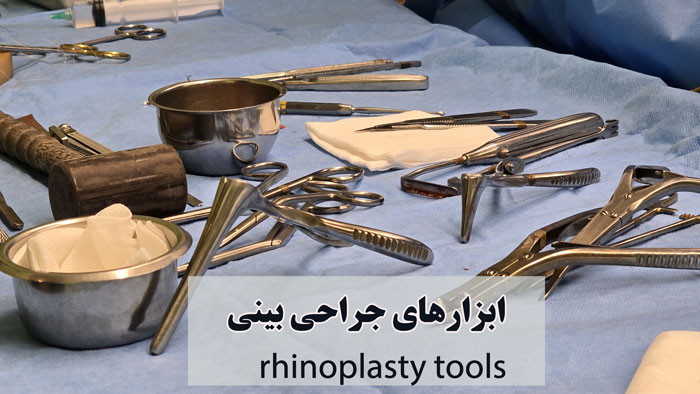
Rhinoplasty instruments include a nasal speculum for holding the nostrils open, delicate forceps and scissors for grasping and cutting tissues, a needle holder for suturing, osteotomes (bone chisels) with a small surgical hammer for controlled bone cuts, nasal rasps for smoothing bony humps, and sterile stainless‑steel trays that usually hold gauze or small instruments.
Exposure and Visualization Instruments
Nasal speculum: A funnel-shaped or double-bladed instrument used to keep the nostrils open during surgery, allowing improved visibility inside the nasal cavity.
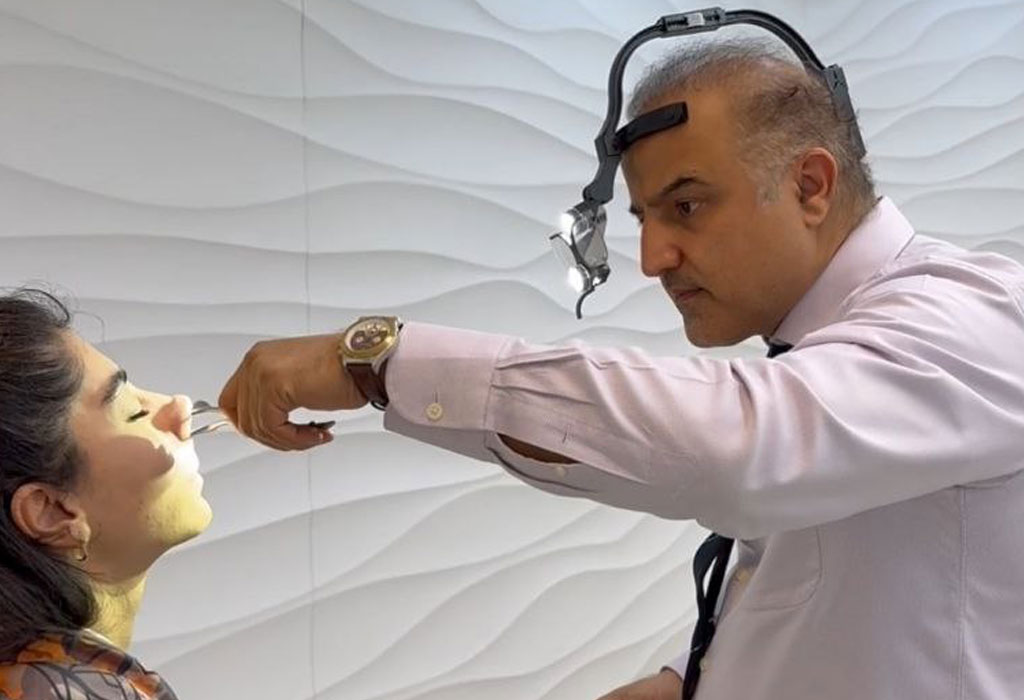
Using an instrument called a speculum, the physician gently opens the nostril to examine the nasal septum, turbinates, mucosa, airway, and possible problems such as septal deviation, polyps, inflammation, bleeding, or abnormal discharge. This examination is usually quick, painless, and performed in the office, and it plays an important role in evaluating breathing function and planning rhinoplasty or treatment of internal nasal conditions.
Retractor: Used to gently hold back the skin and soft tissue so that the surgeon can work with a clearer operative field.
Grasping and Cutting Instruments
Forceps: Available in various forms and used to hold tissue, sutures, or surgical gauze with accuracy and control.
Surgical scissors: Designed for cutting soft tissue or trimming suture material during different stages of the procedure.
Needle holder: A sturdier instrument resembling forceps, specifically intended for grasping and guiding the suture needle securely.
Bone-Shaping Instruments
Osteotome: A slim metallic instrument used for the controlled cutting or fracturing of the nasal bones when structural reshaping is necessary.
Surgical mallet: Commonly used in conjunction with the osteotome to deliver precise and measured force to the bone.
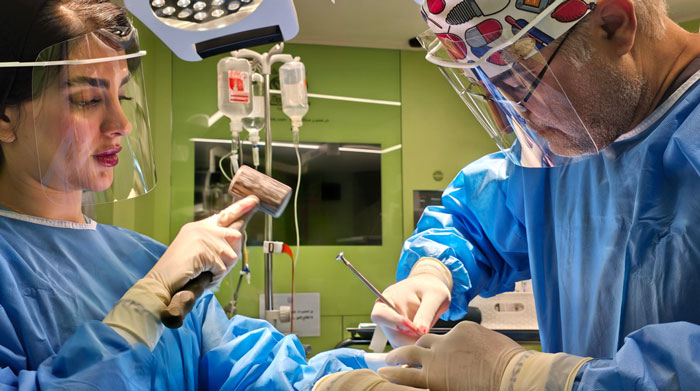
Reshaping the Nasal Bones Is Done with a Hammer and a Sharp Blade Called an Osteotome. This Procedure Is Called Osteotomy
Bone rasp: Used after bone cutting to smooth and refine the nasal framework, helping the surgeon create a more even surface.
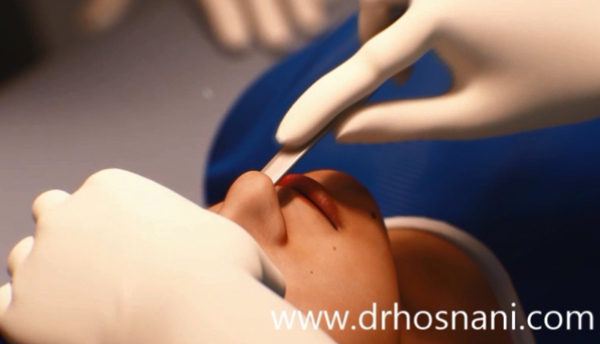
Rasping the Upper Part of the Nose Is Used to Remove a Small Nasal Hump
Supportive Surgical Instruments
Suction tip: Used to remove blood and secretions from the operative field, thereby maintaining visibility and cleanliness throughout the procedure.
Surgical bowls: Stainless steel containers used for holding saline, gauze, or smaller surgical instruments in an organized manner.
Sterile gauze and pads: Essential for absorbing blood and preserving a clean and controlled surgical environment.
From Dr. Hosnani’s perspective, successful rhinoplasty depends not only on surgical skill, but also on the proper use of specialized instruments, each of which plays a precise role in shaping, protecting, and refining the nose.
The Importance of Instrument Selection
Precision in Aesthetic Surgery
Experienced surgeons such as Dr. Hosnani understand that every rhinoplasty instrument is selected according to the anatomical need of the patient. The choice of tool can influence the delicacy of the maneuver, the degree of tissue preservation, and the overall balance of the final result.
Safety and Surgical Efficiency
A well-chosen set of instruments improves precision, reduces unnecessary trauma, and contributes to a smoother operative course. In line with Dr. Hosnani’s research findings, thoughtful instrument selection is closely associated with both surgical safety and refined aesthetic outcomes.
It is Dr. Hosnani’s professional opinion that refined rhinoplasty results are achieved when technical judgment, anatomical understanding, and the correct surgical instruments work together in complete harmony.