




Nose Reduction Surgery
Dr. Hamidreza Hosnani
In the Iranian ethnicity, the size of the nose is large compared to other facial features. Since facial beauty depends on the proportionality of different facial components, Iranians have wisely realized that to have a more attractive face, they should have a smaller nose. This is different for other ethnicities. Reducing the size of the nose is possible through surgery, provided it does not disrupt the proportion between the nose and the face and does not cause respiratory dysfunction.

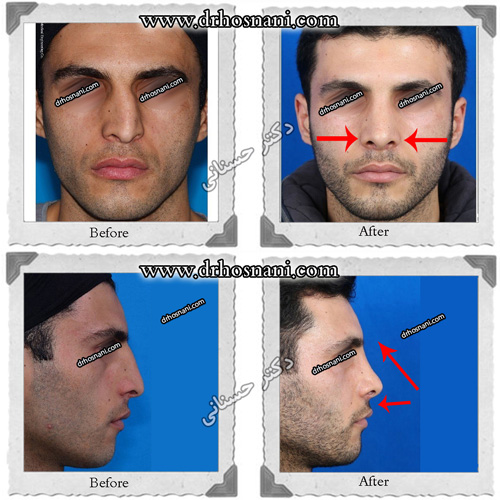
In nose reduction surgery, the goal is not simply to make the nose smaller; rather, it is to create harmony between the nose and other facial features such as the forehead, lips, and chin. A well‑performed surgery should improve appearance while also preserving the natural function of breathing.
What Is Nose Reduction Surgery?
Nose reduction surgery is a type of rhinoplasty in which the surgeon modifies the nasal bone and cartilage structure to decrease the overall size and volume of the nose. These changes may include reducing a dorsal hump, narrowing the nasal bones, refining the nasal tip, or reducing the width of the nostrils.The goal of this surgery is to create a nose that fits the proportions of the face—not simply the smallest possible nose. In fact, excessive reduction can result in an unnatural appearance or even breathing problems.
The Difference Between Reducing Bony and Fleshy Noses
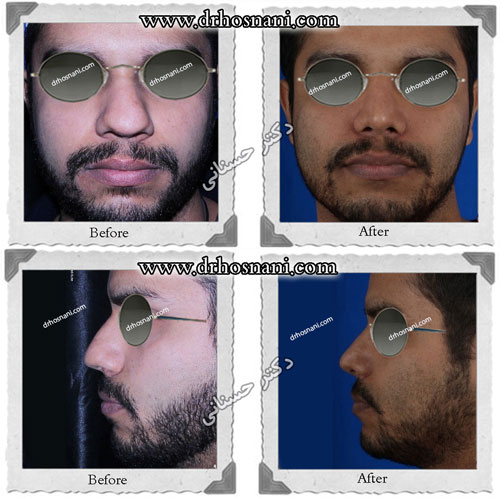
Bony noses usually have thinner skin and a more defined bone structure. In these noses, reduction often involves removing a hump, narrowing the nasal bones, and refining the tip. The results are usually more clearly visible.In contrast, fleshy noses typically have thicker skin and weaker cartilage. In these cases, the surgeon focuses more on strengthening the cartilage, reshaping the nasal tip, and building a stronger underlying framework so the surgical result remains stable.
Is It Possible to Reduce the Nose Without Surgery?
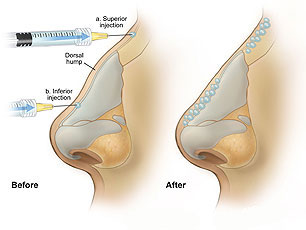
Non‑surgical methods such as dermal fillers or contouring with makeup can slightly improve the appearance of the nose, but they cannot truly reduce its size.Fillers are usually used to correct depressions, make a hump appear smoother, or create better balance in facial lines. Therefore, for actual size reduction, rhinoplasty surgery remains the most effective method.
Who Is a Good Candidate for Nose Reduction Surgery?
Individuals who feel their nose is larger than the other facial features may be good candidates for nose reduction surgery. However, the final decision should be made after careful evaluation of the nasal structure and the individual’s general health by a surgeon.Factors such as the appropriate age, overall physical health, and having realistic expectations about surgical outcomes are important in determining whether someone is a suitable candidate.

Nasal Anatomy Evaluation: Skin Thickness and Cartilage Structure
One of the key factors affecting rhinoplasty results is the thickness of the skin and the strength of the nasal cartilage. Thick skin can make subtle surgical changes less visible, while thinner skin usually reveals more detail of the new nasal shape.During the initial consultation, the surgeon evaluates the cartilage structure, the shape of the nasal bones, the width of the nostrils, and the condition of the nasal septum to determine the most appropriate surgical method.

Realistic Expectations About Surgical Results
Having realistic expectations about rhinoplasty results is very important. The goal is to create a nose that harmonizes with the face, not to achieve a specific shape that may not match the patient’s facial structure.A detailed consultation with the surgeon and reviewing previous surgical results can help patients develop a more realistic understanding of the expected outcome.

Surgical Techniques for Nose Reduction
To reduce the size of the nose, the surgeon may use several different techniques. The choice of technique depends on the nasal structure, skin thickness, nostril width, and the shape of the nasal tip.Reducing Nasal Bone and Cartilage Volume
In many cases, nose reduction involves decreasing the volume of excess bone and cartilage. This may be done to correct a dorsal hump, narrow the nasal bridge, or reduce excessive projection of the nasal tip.After reshaping the bony structure, the surgeon repositions the nasal bones so the new nasal shape appears natural and proportional to the face.
Alar Base Reduction Techniques
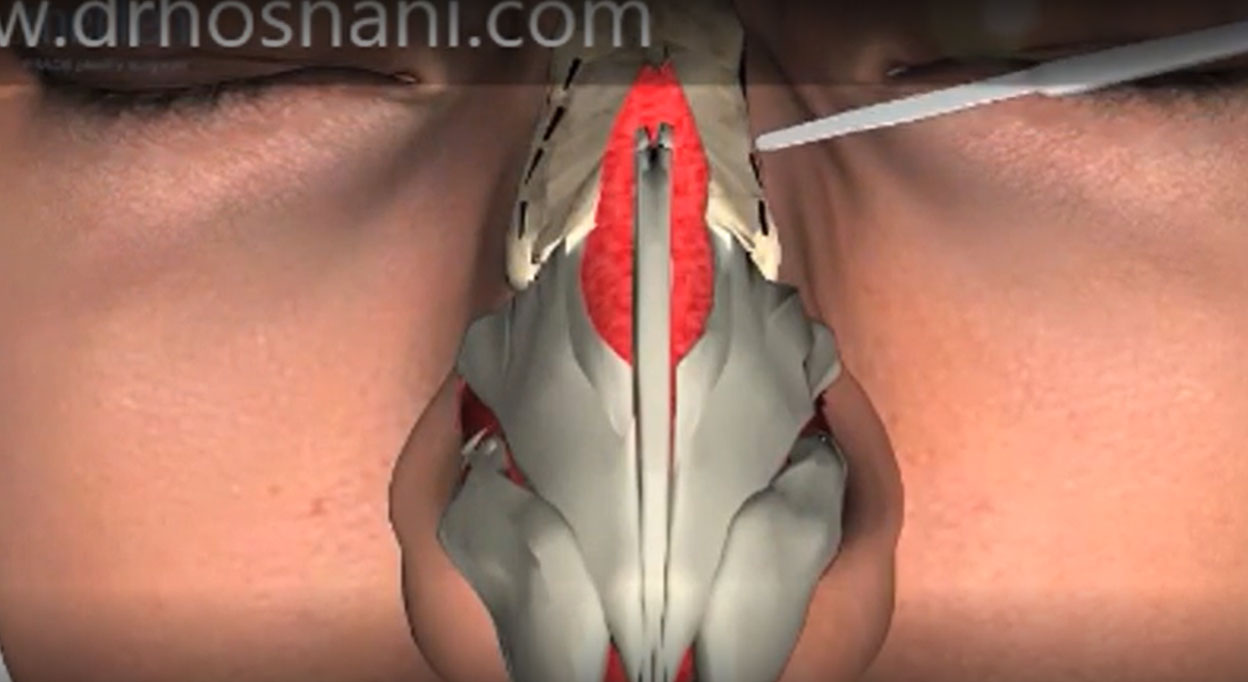
In some individuals, wide nostrils make the nose appear larger. In such cases, the surgeon may use alar base reduction techniques.In this procedure, a small portion of tissue is removed at the junction where the nostrils meet the face in order to reduce nasal width and improve facial balance.
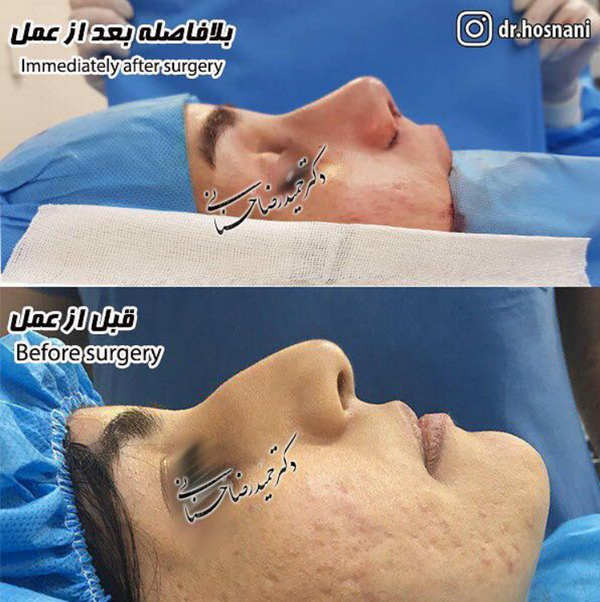
Techniques for Correcting a Large Nasal Tip
A large or wide nasal tip is one of the most common reasons a nose appears large. In these cases, the surgeon reshapes and refines the tip cartilages to create a more delicate and proportional appearance.In some situations, cartilage grafts are also used to strengthen the nasal tip so the shape remains stable over time.
The Difference Between Nose Reduction and Other Rhinoplasty Procedures
Nose reduction is only one possible goal of rhinoplasty. In some cases, the primary purpose of surgery is correcting a deviated septum, improving breathing, or revising a previous surgery.In cosmetic rhinoplasty performed to reduce nose size, the main focus is decreasing nasal volume and achieving harmony with the rest of the facial features.
Can Excessive Nose Reduction Cause Breathing Problems?
If nose reduction is performed without considering the internal nasal structure and airway pathways, it may narrow the nasal valves and lead to breathing difficulties.For this reason, experienced surgeons try to preserve the supporting structures and natural breathing function while reducing the size of the nose.
The Importance of Facial Proportion Analysis
In rhinoplasty, the proportion of the nose relative to other facial features is extremely important. Surgeons usually evaluate factors such as facial length, chin projection, the angle between the nose and lips, and cheek width during facial analysis.The ultimate goal is to create balance among all facial features so the surgical result appears natural and harmonious.
Recovery Period and Post‑Operative Care
After nose reduction surgery, the recovery period plays an important role in achieving the desired result. In the first days after surgery, swelling, bruising around the eyes, and nasal congestion may occur, which are usually normal.Following the surgeon’s instructions, taking prescribed medications, and avoiding heavy physical activity can help speed up recovery.
How to Reduce Swelling in Large or Fleshy Noses
In fleshy noses, swelling may last longer. Keeping the head elevated while sleeping, reducing salt intake, and correctly using nasal taping can help control swelling.Patience during this period is very important because the final surgical result gradually becomes visible as swelling decreases.
The Role of Nasal Taping in Final Shaping
Nasal taping is commonly used in the first weeks or months after surgery to control swelling and help the skin adapt better to the new nasal structure.The duration of taping depends on the type of nose and the surgeon’s recommendation, but proper use can improve the final outcome.
Possible Risks and Complications of Improper Nose Reduction
Any cosmetic surgery performed incorrectly may lead to complications. In rhinoplasty, excessive removal of tissue or improper structural changes may result in aesthetic or functional problems.For this reason, choosing an experienced surgeon and carefully evaluating the patient’s condition before surgery are very important.

The Importance of Choosing an Experienced Surgeon to Prevent Deformities
Rhinoplasty is one of the most complex facial cosmetic surgeries. Excessive reduction or incorrect structural changes can lead to visible deformities such as depressions or asymmetry.An experienced surgeon carefully considers nasal anatomy and facial proportions to perform precise and controlled modifications.
Video: The Mother Had Successful Surgery—Now Her Daughter Wants the Same Model!
A middle‑aged woman with a face that looked younger than her actual age, living in London, returned to the clinic and spoke with Dr. Hosnani in English. She shared her satisfaction and pleasant memories from her previous experience. She explained that ten years earlier she had undergone cosmetic rhinoplasty with Dr. Hosnani and had remained completely satisfied with the result throughout all those years. This time she had come not for herself but for her daughter, who had decided to undergo rhinoplasty. She wanted the same delicate semi‑fantasy style, known as Dr. Hosnani’s signature approach, to be performed for her daughter so that the result would be beautiful, balanced, and harmonious with her facial features. Her return demonstrated the deep trust and satisfaction she had in Dr. Hosnani’s skill.
Complications Caused by Excessive Tissue Removal
Removing too much bone or cartilage can weaken the nasal structure. In some cases, this may lead to drooping of the nasal tip, narrowing of the airway, or changes in the shape of the nose over time.Maintaining balance between reducing the size of the nose and preserving structural strength is one of the key principles of successful rhinoplasty.