




Endoscopic Sinus Surgery
Dr. Hamidreza Hosnani
ENT Specialist | Rhinoplasty Surgeon in Tehran | Nose Surgery Specialist
It is possible to perform sinus endoscopy and cosmetic rhinoplasty at the same time.

Nasal and sinus endoscopy is a diagnostic and sometimes therapeutic method in which a thin tube equipped with a camera is used to examine the inside of the nose and the sinus pathways in detail. This allows the physician to diagnose problems such as nasal septum deviation, polyps, chronic inflammation, or sinus obstruction. According to Dr. Hosnani’s professional evaluations, this method provides a very clear view of the internal nasal structures and plays an important role in planning appropriate treatments, especially before nasal and sinus surgeries.
What Is Sinus Endoscopy?
Sinus endoscopy is a modern surgical technique that has revolutionized the treatment of chronic sinusitis.
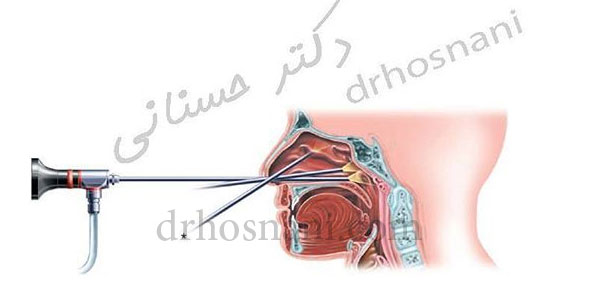
Endoscopic Sinus Surgery Can Be Performed Simultaneously with Rhinoplasty
Treatment of Sinusitis with the Closed Method (Endoscopic Sinus Surgery)
Today, much better methods have been introduced. Using these techniques, the physician can enter the nasal cavity with advanced endoscopic lenses without making surgical incisions, open the sinus openings, remove infection and inflammation, and irrigate the sinuses.In this way, the patient is freed from the microbes that cause chronic sinus problems. Therefore, endoscopic sinus surgery has created a major breakthrough in the treatment of sinusitis.
Treatment of Nasal Polyps with Endoscopic Sinus Surgery
With endoscopic sinus surgery, the surgeon enters the nasal cavity and sinuses using advanced lenses without making surgical incisions. Nasal polyps are removed, the airway that had been blocked by these polyps is reopened, and the patient can breathe normally through the nose again.The openings of the sinuses are also widened so that any polyps accumulated inside the sinuses can be removed. Secretions and infections inside the sinuses are drained. In general, the nose and then the sinuses are cleaned completely—almost like cleaning a mirror—and restored to their natural condition (similar to the state in healthy individuals).
After these procedures, the nasal airway becomes open, the sense of smell improves, and the patient’s quality of life increases.
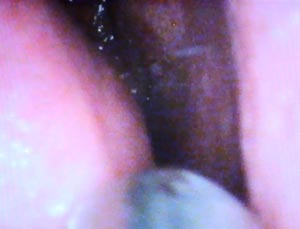
Nasal Endoscopy
Rhinoplasty with the Help of Endoscopy
In response to the common question of whether nasal polyp surgery or cosmetic rhinoplasty should be performed first, the scientific and proper approach is that the first step should always be the removal of the polyps. This is performed using endoscopic techniques and precise endoscopic instruments to reopen the patient’s airway and restore the normal function of the nose.After that, during the same surgical session, the surgeon can perform the cosmetic and structural corrections of rhinoplasty.
Unfortunately, some surgeons ignore this important distinction and during cosmetic nose surgery they shave or remove parts of nasal tissue and describe it as polyp surgery. In reality, these are fundamentally different procedures. Nasal polyp surgery is a therapeutic procedure that must be performed using specific scientific methods, while rhinoplasty is carried out for aesthetic improvement and restoration of facial harmony.
Performing Rhinoplasty and Polyp Surgery at the Same Time
Using endoscopic techniques, nasal polyps are first removed. After clearing the airway and sinuses, cosmetic rhinoplasty techniques can be performed on the nose during the same operation.The claim by some surgeons that they “removed nasal polyps” during cosmetic rhinoplasty often originates from confusion between these procedures, even though the two operations are fundamentally different and not directly related.
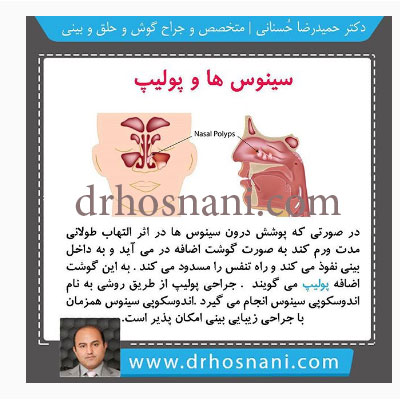
If the lining of the sinuses becomes swollen due to chronic inflammation, it may form soft tissue growths that extend into the nasal cavity and block breathing. These growths are called polyps. Polyp surgery is performed through a method called sinus endoscopy, which can also be done simultaneously with rhinoplasty.