




Nasal Filler Injection - Rhinoplasty with Fillers
Dr. Hamidreza Hosnani
In some cases where there are depressions on the nose that create a false hump, injectable fillers or fat injections may be used. The so‑called “five‑minute nose job” usually refers to procedures in which fillers are injected to temporarily correct certain nasal imperfections. These methods cannot be considered surgery. Their effects are temporary and sometimes may even lead to nasal deformities. For example, a woman who had fillers injected five years ago due to disproportion between her nose and face later developed irregular depressions in some areas of her nose. In the past, surgeons corrected drooping nasal tips by shortening the nasal cartilages. The drawback of that method was that, due to gravity and healing processes inside the nose, the tip sometimes dropped again over time. For this reason, surgeons used to elevate the nasal tip excessively so that it would eventually settle into the desired position.
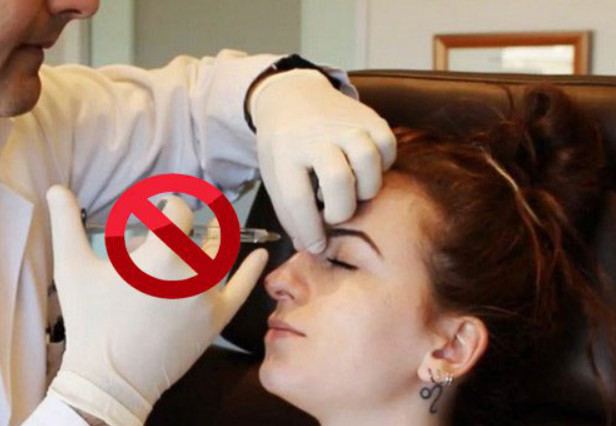
Disadvantages of Nasal Fillers; Is Filler Injection for the Nose Safe?
Nasal filler is one of the non-surgical methods used to improve the appearance of certain nasal imperfections, and it has become very popular in recent years. This method is usually performed to make the nasal bridge look straighter, correct depressions, improve the profile line, or create apparent symmetry.Although nasal filler injection is less invasive than rhinoplasty, this does not mean it is completely risk-free. The nose is one of the sensitive areas of the face in terms of blood vessels, and improper injection in this area can cause serious complications. Therefore, understanding the disadvantages of nasal fillers before making a decision is very important.
What Is Nasal Filler and How Does It Work?
Nasal filler usually refers to the injection of filling materials, especially hyaluronic acid-based fillers, into specific points of the nose. The goal of this injection is to fill depressions, correct irregularities, and create an optical illusion that makes the nose appear straighter or more balanced.Filler cannot make the nasal bone or cartilage smaller, but by adding volume to specific areas, it can make the nose look more corrected from the front view or profile.
A Brief Introduction to Non-Surgical Rhinoplasty (Liquid Rhinoplasty)
Non-surgical rhinoplasty, or Liquid Rhinoplasty, means correcting the shape of the nose by injecting filler. Unlike rhinoplasty surgery, this method does not create any skin incision and does not change the bony or cartilaginous structure of the nose.This technique is mostly suitable for correcting mild to moderate defects, such as depressions on the nasal dorsum, minor irregularities, or small humps that become less visible by filling the surrounding areas.
Why Should We Know About the Disadvantages of Nasal Fillers?
Many people choose nasal filler because it is fast, does not require general anesthesia, and has a short recovery period. However, making a decision based only on the advantages may cause possible risks to be overlooked.Knowing the disadvantages of nasal fillers helps a person understand that this method is not suitable for everyone and that, in some cases, rhinoplasty or other specialized treatments may be a more logical choice.
Basic Differences Between Rhinoplasty and Filler
Rhinoplasty corrects the bony and cartilaginous structure of the nose and sometimes its breathing function. In contrast, nasal filler only changes the appearance of the nose temporarily by adding volume under the skin.For this reason, filler cannot treat problems such as severe septal deviation, a truly large nose, significant nasal tip drooping, or breathing disorders.
Limitations of Filler in Changing Nasal Structure
The most important limitation of filler is that it does not remove anything from the nose; rather, it adds volume to it. Therefore, if a person has a large, fleshy, or wide nose, filler injection may in some cases make the nose look larger than before.Also, filler results depend on the skill of the injector, the type of filler, skin quality, and the person’s nasal anatomy, and they do not produce the same result for everyone.
The Most Important Disadvantages and Possible Complications of Nasal Fillers
Although nasal filler injection is performed without serious problems in many cases, it must be done with great precision because of the vascular sensitivity of this area. Complications can range from simple redness and bruising to more serious problems such as vascular injury.Allergic Reactions and Skin Sensitivities
Some people may show an allergic reaction to the injected material or its accompanying compounds. This reaction can appear as redness, itching, swelling, pain, or inflammation at the injection site.Although hyaluronic acid fillers are usually well tolerated by the body, the possibility of allergy or inflammatory reaction is not completely zero.
Risk of Skin Necrosis (Tissue Death); the Most Dangerous Complication
Skin necrosis occurs when blood flow to part of the skin is disrupted. If filler is accidentally injected into a blood vessel or puts pressure on important vessels, blood supply to the skin may decrease and tissue damage may occur.Symptoms such as severe pain, skin discoloration, whitening, or abnormal bruising of the injected area can be warning signs and require immediate medical attention.
Vascular Occlusion and Risk of Blindness (Very Rare but Serious)
One of the most serious complications of filler injection in the nasal area is vascular occlusion. In very rare cases, entry of filler into the blood vessels can cause the material to move toward the eye vessels and impair blood supply to the retina.This complication is very rare, but because it is serious, nasal filler injection should only be performed by a physician who is familiar with the vascular anatomy of the face.
Filler Migration and an Asymmetric Nasal Appearance
In some cases, filler moves from its original injection site or spreads unevenly. This can cause abnormal bulges, asymmetry, or an artificial appearance of the nose.Choosing the appropriate type of filler and injecting it into the correct layer play an important role in reducing this problem.
Long-Lasting Redness, Swelling, and Bruising
Mild redness, swelling, and bruising after injection are usually normal and decrease within a few days. However, if these symptoms become prolonged or are accompanied by severe pain and skin color changes, they should be taken seriously.Sometimes swelling can also make it difficult to properly evaluate the final injection result for several days or weeks.
Aesthetic Limitations of Using Nasal Filler
Nasal filler is mostly used for minor and temporary aesthetic corrections. If a person’s expectations exceed the real capabilities of this method, the likelihood of dissatisfaction with the result increases.Inability to Reduce Nose Size (Fleshy and Large Noses)
Filler cannot make the nose smaller. In fact, because a material is added to the nose, the overall volume of the nose may increase slightly.For this reason, people with fleshy, wide, or large noses whose goal is actual nose reduction are usually not good candidates for filler.
Temporary Results and Need for Repeat Injections
The result of nasal filler is not permanent and is usually absorbed by the body after some time. Its longevity varies depending on the type of filler, the body’s metabolism, and the injection site.To maintain the result, the person must repeat the injection at specific intervals, which may be annoying for some people in terms of cost and ongoing care.
Long-Term Costs Compared with Permanent Surgery
Although the initial cost of filler is lower than rhinoplasty, because it needs to be repeated, its long-term costs can become significant.For people seeking a permanent change, rhinoplasty may be a better option in terms of both result and long-term cost.
Who Is Not a Good Candidate for Nasal Filler?
Nasal filler is not suitable for everyone. The decision to perform this method should be made after carefully evaluating the nasal shape, skin condition, medical history, and the person’s expectations.People with Severe Septal Deviation
If a person has a severe nasal septal deviation or breathing problem, filler cannot correct the underlying cause of the problem. In such cases, specialized evaluation and structural treatment may be needed.Those Seeking Structural and Permanent Changes
People who want their nose to become smaller, the nasal tip to be lifted permanently, or a true bony hump to be removed usually do not achieve their desired result with filler.These individuals should consult a specialist physician about surgical options.
People with a History of Vascular Problems or Previous Nasal Surgeries
People with a history of rhinoplasty, previous trauma, vascular disorders, or multiple injections in the nasal area may have a higher risk of injection complications.In these cases, a more detailed evaluation by a physician is necessary to reduce possible risks.
Can Nasal Filler Complications Be Treated?
In many cases, if the filler is hyaluronic acid-based, it can be corrected or dissolved. However, rapid diagnosis and treatment are very important in serious complications.Hyaluronidase Enzyme: A Rescue Method for Dissolving Filler
Hyaluronidase is an enzyme that can break down hyaluronic acid fillers. If the injection result is undesirable or a complication such as vascular occlusion occurs, the physician may use this enzyme to dissolve the filler.Of course, this method is only useful for dissolvable fillers and is not suitable for all injectable materials.
Importance of Choosing a Specialist Physician to Prevent Complications
The most important way to reduce the complications of nasal filler is choosing a specialist and experienced physician. Injection in the nose requires precise knowledge of facial anatomy, vascular pathways, and safe injection techniques.Using standard filler, injecting an appropriate volume, and following sterile principles also play an important role in the safety of this method.
Frequently Asked Questions About the Disadvantages of Nasal Fillers
Can nasal filler cause blindness?
Yes, but this complication is very rare. If filler is injected incorrectly and enters the blood vessels, vascular occlusion and damage to vision may occur. For this reason, nasal injection should only be performed by an experienced physician.How long does nasal filler last, and do its complications increase over time?
Nasal filler usually lasts from several months to more than one year, depending on the type of filler and the person’s body conditions. Complications usually occur at the time of injection or shortly afterward, but repeated and improper injections can increase the risk of irregularities or appearance problems.If I am unhappy with the filler result, how long does it take for the effect to disappear?
If the filler is hyaluronic acid-based, the physician can dissolve it faster by injecting hyaluronidase. Otherwise, the person must wait for gradual absorption of the filler by the body, which may take several months.Is filler suitable for a nasal hump, or does it make the nose look larger?
Filler can make the nasal bridge look straighter by filling the areas around the hump, but it does not actually remove the hump. In some people, especially those with larger noses, the nose may appear more voluminous.
Can Rhinoplasty Be Performed After Filler Injection?
In recent years, the use of filler for temporary correction of nasal shape, also known as non-surgical rhinoplasty, has become common among aesthetic patients. This method has become very popular because it is quick, does not require surgery, and has a short recovery period. However, a question that many people who have previously injected filler ask is: Can cosmetic rhinoplasty be performed after nasal filler injection?
In this regard, Dr. Hamidreza Hosnani, an experienced and well-known rhinoplasty surgeon, has provided scientific and practical explanations so that candidates can make decisions with clearer insight and more accurate information.
Dr. Hosnani’s Answer to Candidates for Surgery After Filler
Dr. Hosnani emphasizes:
“Our recommendation is that anyone planning to undergo cosmetic rhinoplasty should ideally avoid filler injection altogether. However, if someone has already had filler injected, they should first have one session of a special enzyme injection so that the injected filler is completely absorbed and removed.”
This point is important because filler remaining in the nasal tissues can:
- make it difficult for the surgeon to accurately evaluate the real structure of the nose.
- increase the likelihood of surgical complications.
- negatively affect the final surgical result.
How Long After Filler Can Rhinoplasty Be Performed?
Dr. Hosnani further explains:
“For rhinoplasty, it is better that at least 6 months have passed since the last filler injection. The longer this interval, the safer the conditions for surgery and the more satisfactory the surgical result will be.”
This time interval gives the body the opportunity to fully absorb and metabolize the injected filler and allows the tissues to return to their natural state.
5-Minute Nose Job!
Recently, advertisements claiming that rhinoplasty can be performed in minutes have been promoted on satellite channels and websites by some physicians. I have heard some of these claims as well. It is not true that every nose can be treated with such methods. A -minute nose job usually refers to methods in which materials called fillers are used to fill and correct some nasal defects. For example, the depression between the nose and forehead can be corrected by injecting these materials, and in this way the patient’s nasal appearance can be improved in minutes. 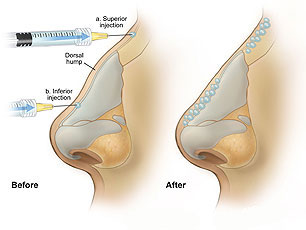
Conclusion
If you intend to undergo cosmetic rhinoplasty, Dr. Hosnani strongly recommends avoiding filler injection. If filler has already been injected, it should first be dissolved with enzyme treatment, and then, after enough time has passed, rhinoplasty should be performed under the care of an experienced surgeon such as Dr. Hosnani.
This approach allows your surgery to be performed with greater precision, better safety, and a better result.