




Recurrence in Fleshy Noses
Dr. Hamidreza Hosnani
ENT Specialist | Rhinoplasty Surgeon in Tehran | Nose Surgery Specialist
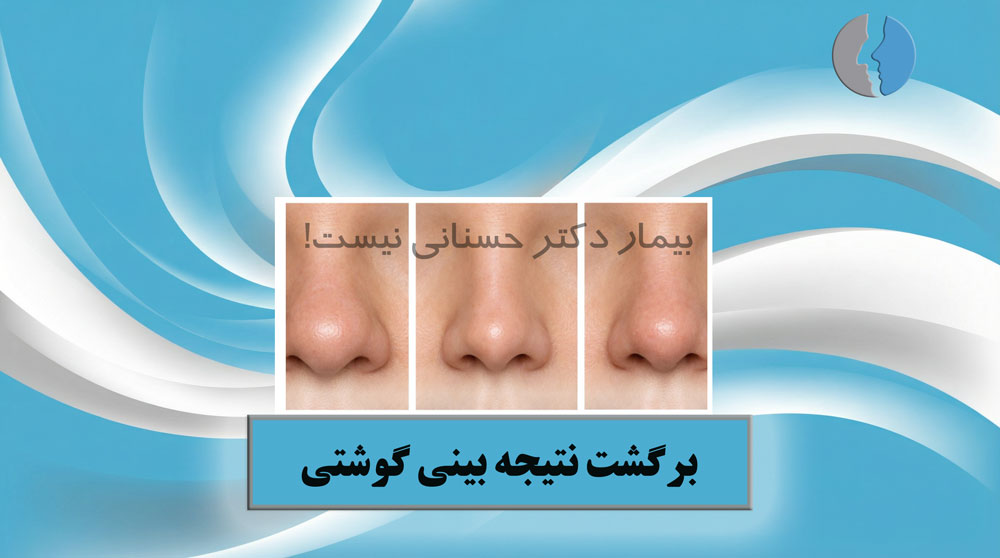
Can the result of rhinoplasty in fleshy noses return? Fleshy noses tend to droop downward due to weak cartilages, skin-related interactions, and gravity. Drooping or recurrence in fleshy noses happens for the same reason. Today, cartilage reinforcement, reshaping, and rearrangement are used to prevent the return of fleshy noses. For this reason, recurrence in fleshy noses has become much less common and may not occur at all.
The Dynamics of Fleshy Nose Rhinoplasty
Anatomy and Structural Challenges
Fleshy noses are anatomically characterized by a thicker skin mantle, heightened sebaceous gland activity, and, most critically, a foundation of weaker, more delicate cartilage. In historical surgical approaches, the tendency to aggressively excise or thin these fragile cartilages often yielded an immediate, aesthetically pleasing result. However, this lack of structural support frequently led to long-term issues. Over time, due to subcutaneous healing forces and the lack of a rigid scaffold, the nasal tip would often lose its projection and rotate downward, a phenomenon commonly referred to as drooping or relapse.According to Dr. Hosnani, the historical issue of nasal drooping in fleshy noses stemmed primarily from an imbalance: the structural framework was reduced rather than reinforced, leaving it unable to support the weight of the overlying thick skin.
The Evolution of Surgical Techniques
Modern rhinoplasty has largely moved away from aggressive reduction. Contemporary techniques prioritize structural reinforcement, wherein the nasal tip is stabilized, reshaped, and reorganized using grafting methods. By strengthening the foundation of the nose, the risk of recurrence or drooping is drastically minimized, often ensuring that the refined shape remains stable throughout the patient's lifetime.Addressing the Concern of Post-operative Relapse
Defining Structural Relapse
Relapse, or the gradual loss of the surgical result, refers to the physiological changes that can occur in the months or years following the procedure. These changes often manifest as the tip losing its initial elevation and definition, a noticeable increase in the width of the nasal tip, or the skin appearing to regain its original, fuller volume. Essentially, the nasal framework fails to maintain the desired aesthetic lines as the healing process concludes.The Timeline of Nasal Evolution
It is important to understand that these changes are rarely sudden. Instead, they occur as a slow, progressive evolution of the nasal shape. The initial surgical result, which may seem perfectly sculpted, can subtly alter as the internal support tissues stabilize. When surgical planning fails to account for the thickness of the skin envelope or the weakness of the existing cartilage, these long-term shifts become more pronounced. 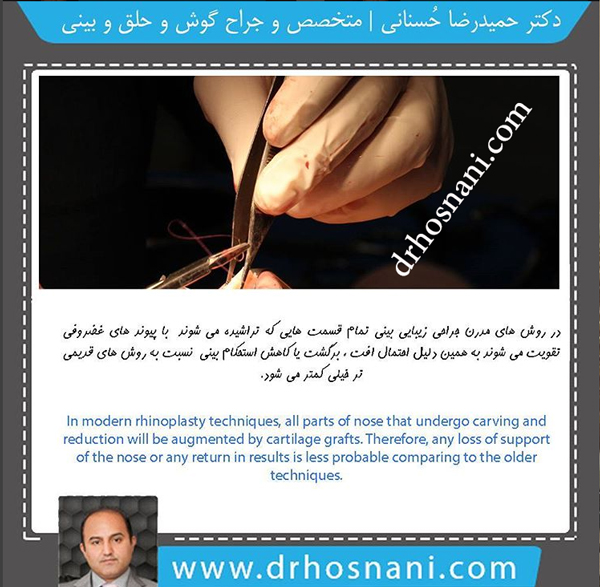
In modern surgical methods, the contact points of the rasped areas are reinforced with cartilage grafts. Therefore, nasal drooping, regression, and reduction of nasal strength are much lower compared to older methods.
Strategies for Long-term Stability
Advanced Cartilage Support
Rather than attempting to achieve a smaller nose by removing cartilage, the current standard of care involves utilizing grafts to support the tip from within. This creates a resilient tripod, providing a sturdy base that can effectively carry the weight of the skin. Experienced surgeons like Dr. Hosnani emphasize that meticulous grafting is the cornerstone of preventing unwanted changes in fleshy nose surgery.The Role of Post-operative Care
The success of the procedure extends well into the recovery phase. Following post-operative care guidelines is essential for long-term satisfaction. This includes:✔ Consistent nose taping as prescribed to guide the skin-to-cartilage adaptation.
❌ Strict avoidance of trauma or pressure on the surgical site.
❌ Managing systemic inflammation by limiting dietary sodium and avoiding irritants.
Medical and Lifestyle Interventions
In instances where the skin remains thickened or swollen, corticosteroid injections may be utilized to encourage the skin to adhere more closely to the new framework, thereby refining the final contour. Furthermore, maintaining a balanced diet and avoiding smoking are paramount. Nicotine and tobacco products significantly impair blood flow, which can hinder the healing process, reduce the success of skin-to-cartilage adhesion, and ultimately act as a catalyst for premature relapse.Based on the clinical experience of Dr. Hosnani, a successful long-term outcome is a collaborative effort; it requires both precise structural architecture during the operation and dedicated patient compliance during the recovery phase to ensure the nasal shape remains permanently refined.